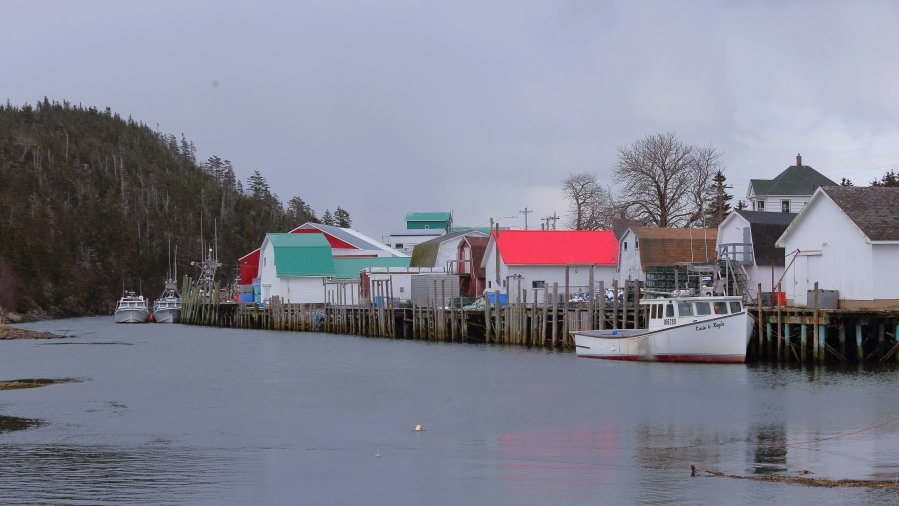
Located off the northern coast of British Columbia, Digby Island is a hidden treasure that many travelers overlook. Though it’s small in size and often just a blip on the map for those flying into the Prince Rupert Airport, Digby Island is a peaceful, picturesque spot waiting to be explored. It offers an authentic escape from the hustle and bustle of modern life—perfect for those who crave nature, wildlife, and a slower pace. Whether you’re into hiking, birdwatching, or simply enjoying some quiet time by the ocean, Digby Island has a little something for everyone.
In this article, we’ll give you the inside scoop on what makes this coastal gem so special. From top activities and the best time to visit to tips on how to get there, we’ve got everything you need to plan your getaway to Digby Island.
At a Glance
Digby Island might not be brimming with tourist attractions, but that’s part of its charm. It’s a tranquil destination, perfect for visitors who want to unwind in nature. The island is home to the Prince Rupert Airport, so chances are, if you’re flying into this part of British Columbia, you’ll be passing through here. But don’t rush off too quickly! Digby Island has some fantastic scenic hikes, rocky coastlines, and excellent wildlife viewing opportunities.
Wildlife lovers will be thrilled by the abundance of bald eagles soaring overhead and seals lounging on the shores. The waters surrounding the island are also known to attract the occasional whale, adding to the island’s appeal for those seeking a more laid-back outdoor experience.
While it’s not a place for large-scale tourism, its isolation makes it ideal for visitors looking to connect with nature or as a quiet stopover before venturing deeper into the nearby areas of Prince Rupert and beyond.
Highlights: Must-See Features and Attractions
While Digby Island is best known as the site of the Prince Rupert Airport, it’s so much more than just a stopover. Explore its rugged coastline, dotted with rocky shores and secret beaches perfect for peaceful strolls or quiet contemplation. Wildlife enthusiasts will love the opportunities for spotting bald eagles, seals, and maybe even a whale or two in the surrounding waters. Digby Island also offers great hiking trails, giving you access to views you won’t soon forget. If you’re a fan of the outdoors, this island is a dream come true!
a. Activities:
- Hiking: Explore scenic trails with views of the Pacific Ocean.
- Wildlife watching: Spot bald eagles, seals, and sometimes whales.
- Beachcombing: Wander the rocky shores and find unique driftwood and seashells.
- Photography: Capture stunning sunsets, wildlife, and coastal landscapes.
b. Best Time to Visit:
- The best time to visit Digby Island is during the warmer months, from June to September, when the weather is milder and outdoor activities like hiking and wildlife viewing are at their best. However, the island can also be visited year-round if you’re looking for some off-season solitude, though the weather may be a bit harsher in the winter.
c. Getting There:
- Most visitors arrive via Prince Rupert, either by ferry or flight. The island is home to the Prince Rupert Airport (YPR), so many will already have a foot on Digby Island upon arrival. From Prince Rupert, it’s a short ferry ride or a quick drive if you’re landing directly at the airport.
Explore near Digby Island:
Once you’ve soaked in all that Digby Island has to offer, you’re just a hop away from exploring the larger Prince Rupert area. Visit the stunning Butze Rapids Park & Trail, take a boat tour to see the beautiful Khutzeymateen Grizzly Sanctuary, or stroll through the vibrant town of Prince Rupert itself. It’s a perfect combination of natural wonder and local culture.
Final Thoughts:
Digby Island may be off the beaten path, but that’s exactly what makes it so special. For those seeking an authentic nature experience, away from the crowds and the noise, it offers a perfect retreat. Whether you’re using it as a quick stopover or as a quiet place to unwind, Digby Island provides a peaceful connection to the beauty of British Columbia’s rugged coastline. Don’t forget to bring your camera and your sense of adventure—you might just discover your new favorite hideaway!