Situated in the heart of Colorado, Rocky Mountain National Park (RMNP) is a spectacular haven for nature enthusiasts, adventurers, and anyone seeking a breath of fresh mountain air. With its towering peaks, serene alpine lakes, and abundant wildlife, RMNP offers a slice of untouched wilderness that captivates millions of visitors each year.
Whether you’re hiking through wildflower-strewn meadows, spotting elk against a dramatic mountain backdrop, or driving the iconic Trail Ridge Road, Rocky Mountain National Park promises an unforgettable experience. Let’s dive into why this park is a must-visit destination for all adventurers.
Spanning over 265,000 acres, Rocky Mountain National Park is one of the most visited national parks in the United States, drawing more than 4 million visitors annually. Established in 1915, the park preserves a diverse landscape of ecosystems, from montane valleys to high-altitude tundras.
Located just outside the charming mountain town of Estes Park, RMNP is home to over 77 mountain peaks above 12,000 feet, including the iconic Longs Peak, which towers at 14,259 feet. The park also boasts over 300 miles of hiking trails, making it a playground for outdoor enthusiasts.
Conservation Efforts
Rocky Mountain National Park is a leader in conservation, working tirelessly to preserve its natural beauty and biodiversity:
- Wildlife Management: The park is home to elk, black bears, mountain lions, and bighorn sheep. Efforts focus on maintaining healthy populations while minimizing human-wildlife conflicts.
- Restoring Ecosystems: Programs aim to reintroduce native plant species and restore natural water flow to critical habitats.
- Climate Resilience: Researchers study how climate change impacts alpine ecosystems to ensure long-term preservation.
- Sustainable Tourism: Shuttle systems and timed-entry reservations reduce traffic and environmental impact.
Natural Features
The park’s dramatic landscapes offer something for everyone:
- Mountain Peaks: Iconic summits like Longs Peak, Hallett Peak, and the Continental Divide dominate the skyline.
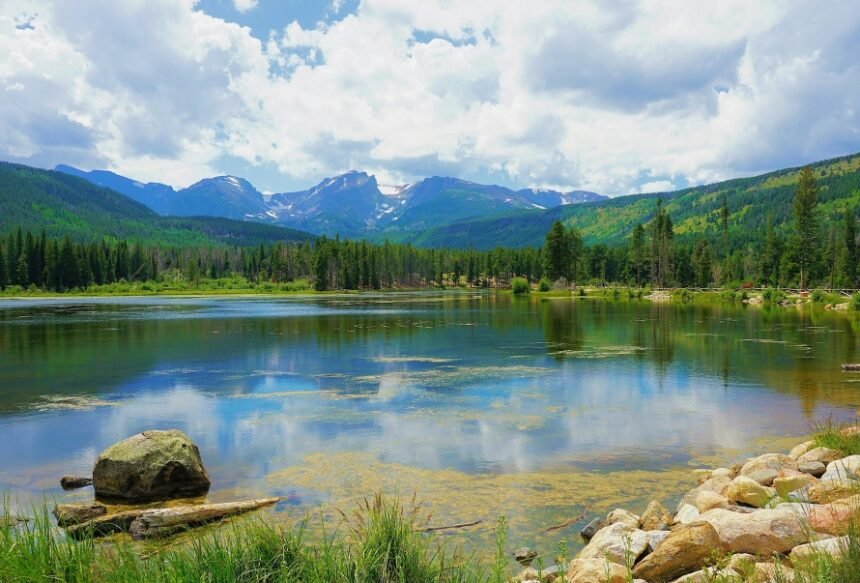
- Alpine Lakes: Stunning lakes like Bear Lake, Emerald Lake, and Sprague Lake are perfect for reflective moments and photography.
- Trail Ridge Road: The highest continuously paved road in the U.S., offering sweeping views of the tundra.
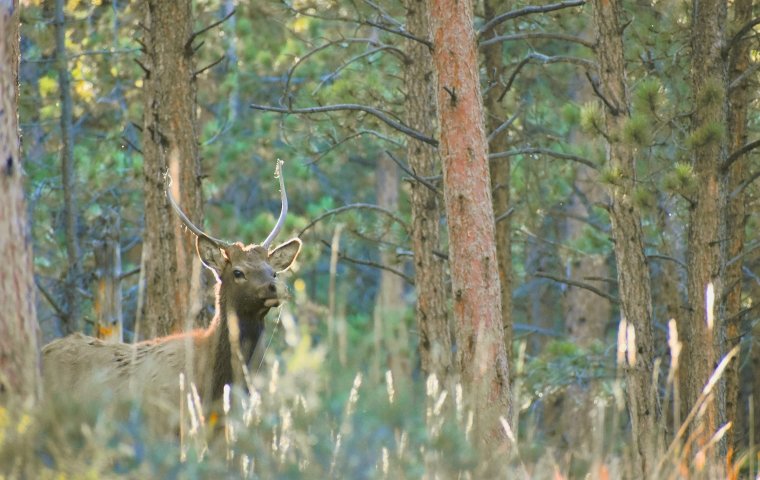
- Wildlife: Spot elk herds in the fall, bighorn sheep scaling cliffs, and marmots sunning themselves on rocky outcrops.
- Tundra Ecosystem: Above the tree line, you’ll find fragile alpine meadows filled with unique plants and wildflowers.
History
Rocky Mountain National Park’s story began thousands of years ago, with Indigenous peoples like the Ute and Arapaho Nations, who lived and traveled through these lands.
European settlers arrived in the 19th century, drawn by the region’s natural beauty and resources. In 1915, RMNP was officially established thanks to the efforts of environmentalists like Enos Mills, who recognized the need to protect this extraordinary landscape.
Over the years, the park has grown in popularity, becoming a symbol of America’s commitment to preserving its natural treasures for future generations.
Main Attractions
- Trail Ridge Road: Drive through breathtaking alpine scenery, reaching elevations over 12,000 feet.
- Bear Lake: A serene spot surrounded by pine forests and mountain views.
- Longs Peak: For experienced climbers, this 14er offers a bucket-list-worthy challenge.
- Alberta Falls: A short hike leads to this picturesque waterfall nestled in a pine forest.
- Hidden Valley: A peaceful area perfect for picnics, family outings, and winter sledding.
Activities and Recreation
Summer Activities:
- Hiking: Explore trails like Emerald Lake Trail, Sky Pond, and the challenging Keyhole Route to Longs Peak.
- Wildlife Watching: Spot elk, moose, and eagles in their natural habitats.
- Fishing: Cast your line in lakes like Lily Lake or the Big Thompson River.
- Camping: Stay overnight at one of the park’s five campgrounds.
- Photography: Capture stunning landscapes, particularly at sunrise or sunset.
Winter Activities:
- Snowshoeing: Popular trails include Bear Lake and Sprague Lake.
- Cross-Country Skiing: Glide through peaceful winter landscapes.
- Wildlife Viewing: Winter offers quieter opportunities to spot wildlife.
- Winter Hiking: Bundle up for hikes through snow-draped forests.
Visitor Information
- Operating Hours: The park is open year-round, 24/7.
- Entry Fees: $30 per vehicle for a 1-day pass or $35 for a 7-day pass. An America the Beautiful Pass offers access to all U.S. national parks for $80/year.
- Timed Entry Permits: Required during peak season (May–October). Reserve your spot online.
- Visitor Centers: Stop by Beaver Meadows Visitor Center or Fall River Visitor Center for maps, tips, and ranger-led programs.
- Accessibility: Many trails and facilities, such as Bear Lake, are wheelchair accessible.
Nearby Attractions
- Estes Park: A charming mountain town offering shopping, dining, and local festivals.
- The Stanley Hotel: A historic (and haunted) hotel that inspired Stephen King’s The Shining.
- Grand Lake: On the park’s western edge, perfect for boating and relaxing by the water.
- Flatirons in Boulder: Iconic sandstone formations ideal for hiking and climbing.
- Indian Peaks Wilderness Area: A less-crowded spot with stunning alpine scenery.
Practical Tips
- Best Time to Visit:
- Summer (June–September): Ideal for hiking, camping, and alpine views.
- Fall (September–October): Enjoy the elk rut and stunning fall foliage.
- Winter (December–March): Perfect for snow-based activities and quieter trails.
- What to Pack:
- Summer: Layers, sunscreen, sturdy hiking boots, and plenty of water.
- Winter: Warm clothing, snowshoes or skis, and thermos of hot drink.
- Altitude Awareness: The park’s high elevation can cause altitude sickness. Take it slow, drink plenty of water, and be aware of symptoms.
- Stay Safe:
- Check weather conditions before heading out, as they can change rapidly.
- Stay on marked trails to protect fragile ecosystems and avoid getting lost.
- Carry bear spray and be bear-aware, especially in backcountry areas.
Recap
Rocky Mountain National Park is a natural wonderland that combines jaw-dropping beauty, thrilling adventures, and a deep sense of peace. Whether you’re summiting towering peaks, exploring serene lakes, or simply soaking in the stunning views along Trail Ridge Road, this park offers unforgettable moments for every traveler.
From its commitment to conservation to its world-class recreational opportunities, Rocky Mountain National Park is a shining example of why we protect these wild places. So pack your gear, hit the trails, and experience the magic of RMNP—you won’t regret it!