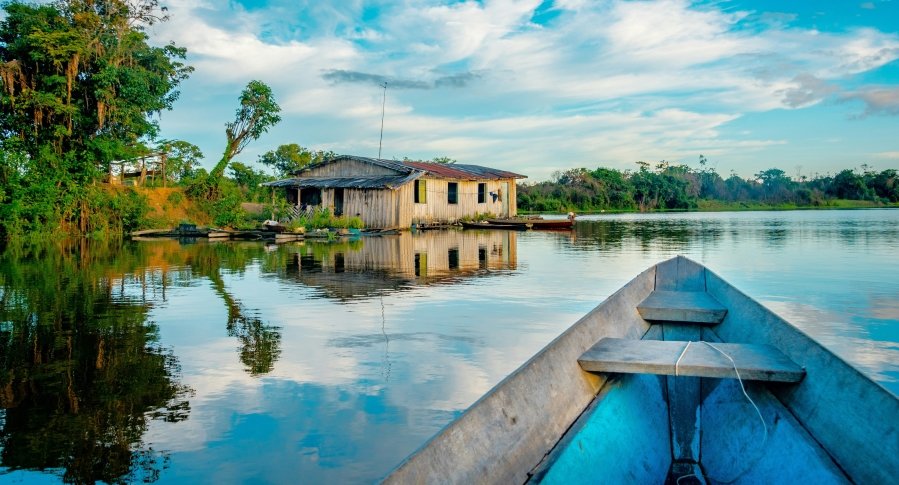
If you’ve ever dreamed of exploring the world’s largest rainforest, Amazonas in Brazil should be at the top of your travel list. As the largest state in Brazil, Amazonas is a nature lover’s paradise, home to the Amazon River, dense jungles, and some of the most diverse wildlife on the planet. From the lively capital city of Manaus to remote indigenous villages deep in the forest, Amazonas offers a once-in-a-lifetime experience for adventurers, explorers, and anyone eager to immerse themselves in nature’s raw beauty.
Amazonas is not just Brazil’s largest state but also one of the world’s most biodiverse regions. Covering an area larger than France and Spain combined, Amazonas is an integral part of the Amazon Rainforest, often referred to as the “lungs of the Earth” due to its massive contribution to producing oxygen and absorbing carbon dioxide. The Amazon River, which snakes through the state, is the lifeblood of the region, supporting a unique ecosystem that includes thousands of plant and animal species, many of which are found nowhere else on Earth.
Historically, Amazonas has been home to indigenous communities for thousands of years. While the rubber boom of the 19th century brought waves of outsiders and significantly changed the region’s development, today, Amazonas is known for its efforts to preserve its indigenous heritage and the vast natural environment. The state capital, Manaus, is a thriving metropolis and the gateway to the Amazon Rainforest. But beyond Manaus, the heart of Amazonas remains wild and largely untouched, offering travelers a rare chance to experience a world unlike any other.
Main Attractions:
- The Amazon Rainforest : The largest tropical rainforest in the world, covering over 5.5 million square kilometers across nine countries in South America, with the majority located in Brazil. Known as the “lungs of the Earth,” it produces around 20% of the world’s oxygen and is home to an incredibly diverse array of wildlife, including thousands of plant and animal species, many of which are found nowhere else. The Amazon plays a crucial role in regulating the planet’s climate and is a vital resource for both indigenous communities and global biodiversity.
- Manaus: As the capital of Amazonas, Manaus is where most visitors begin their journey. Here you’ll find cultural landmarks like the opulent Amazon Theatre, built during the rubber boom, and the Meeting of the Waters, a natural phenomenon where the dark waters of the Rio Negro and the light brown Amazon River flow side by side without mixing.
- Jaú National Park: This UNESCO World Heritage site is one of the largest forest reserves in South America, home to incredible wildlife like jaguars, giant otters, and countless bird species. Explore its pristine rivers, waterfalls, and dense rainforest on guided tours or by canoe.
- Anavilhanas Archipelago: This network of over 400 islands is one of the largest river archipelagos in the world. A boat trip through the maze of islands is a tranquil yet exciting way to experience the diversity of the Amazon River’s waterways.
- Presidente Figueiredo: Known for its stunning waterfalls and caves, this town is the perfect spot for hiking and exploring natural wonders just outside of Manaus.
- Meeting of the Waters: The striking confluence of the black waters of the Rio Negro and the sandy-colored Amazon River, where they flow side by side for miles without mixing.
- Lake Janauari Ecological Park: Famous for its giant water lilies, this park is a great spot to see wildlife and explore the Amazon’s flooded forests.
Activities:
- Amazon River Cruises: Cruise along the Amazon River and its tributaries, stopping at remote villages and spotting wildlife like caimans, monkeys, and exotic birds.
- Jungle Trekking: Go deep into the Amazon Rainforest with a guided trek, learning about the flora and fauna, survival techniques, and indigenous cultures.
- Wildlife Watching: Amazonas is one of the best places to spot wildlife, including jaguars, sloths, toucans, and the iconic pink river dolphins.
- Piranha Fishing: Try your hand at fishing for piranhas in the Amazon River, a popular activity that adds a little thrill to your adventure.
- Canoeing and Kayaking: Explore the region’s countless rivers and flooded forests by canoe or kayak, getting up close to nature in a peaceful, immersive way.
- Cultural Tours: Visit indigenous villages to learn about the traditions, crafts, and lifestyles of the region’s native peoples.
Off-the-Beaten-Path Recommendations:
- Tefé and Mamirauá Sustainable Reserve: Tefé is a small town that serves as the gateway to the Mamirauá Reserve, a protected area focused on sustainable tourism. Here, you can see rare wildlife like the Amazonian manatee and pink river dolphins, while staying in eco-lodges that work with local communities to preserve the environment.
- Humaitá: A small and less-visited town, Humaitá offers a peaceful Amazon experience. Explore local markets, take boat rides along the Madeira River, and enjoy a more relaxed, authentic glimpse of life in Amazonas.
- Indigenous Villages: For those seeking a deeper cultural experience, visiting indigenous villages in the heart of the rainforest can offer unique insights into the traditions and lifestyles of the region’s first inhabitants. These tours often involve overnight stays, where you can learn about traditional fishing, medicinal plants, and storytelling by firelight.
Local Food and Drink:
- Tambaqui: This freshwater fish is a staple in Amazonas cuisine, often grilled or served in stews. Its tender meat and unique flavor make it a must-try for visitors.
- Tacacá: A popular street food dish, this soup-like meal is made from tucupi (a yellow sauce derived from cassava), jambu (an Amazonian herb that numbs the mouth), and shrimp. It’s a truly Amazonian experience for your taste buds!
- Copoazu: A fruit related to cacao, copoazu is often used to make delicious desserts and juices. Its sweet and sour taste is refreshing, especially in the region’s tropical heat.
- Guaraná Soda: Made from the guaraná berry, which is native to the Amazon, this soda is a popular drink throughout Brazil. The berries are said to boost energy and sharpen focus, making it the perfect drink for a long day of exploring.
Travel Tips and Practical Information:
- Best Time to Visit: The dry season, from June to November, is generally the best time to visit Amazonas. Water levels are lower, making it easier to hike and explore trails. However, the wet season (December to May) offers the unique experience of exploring the flooded forests by boat.
- Safety: While Amazonas is generally safe for tourists, it’s important to stay cautious in remote areas and follow local guides’ advice. If visiting indigenous communities, always show respect for local customs and traditions.
- Currency and Payments: The Brazilian Real (BRL) is the local currency. In Manaus, credit cards are widely accepted, but in more remote areas, it’s a good idea to carry cash.
- Health: Make sure to consult your doctor about vaccinations, particularly for yellow fever and malaria, before visiting Amazonas. It’s also advisable to bring insect repellent, as mosquitos can be prevalent in the rainforest.
Getting There:
- By Air: The main gateway to Amazonas is Manaus, which has an international airport (Eduardo Gomes International Airport). Direct flights to Manaus are available from several major cities in Brazil, as well as some international destinations like Miami.
- By Boat: For the more adventurous, you can reach Manaus by boat from other cities along the Amazon River, such as Belém. The trip can take several days but offers incredible views along the way.
- By Road: Roads into Amazonas are limited, but there are highways connecting Manaus to nearby regions like Presidente Figueiredo.
Final Thoughts:
Amazonas is one of the world’s most awe-inspiring destinations, offering visitors a chance to connect with nature in its most raw and unfiltered form. Whether you’re exploring the vibrant city of Manaus, cruising through the Amazon River, or trekking deep into the jungle, Amazonas is an unforgettable adventure filled with beauty, mystery, and discovery. If you’re seeking an off-the-beaten-path experience that blends culture, wildlife, and breathtaking landscapes, Amazonas should be at the top of your bucket list.