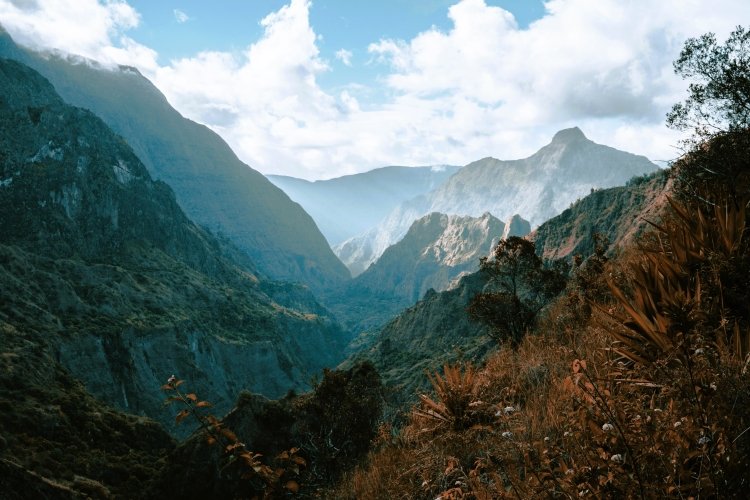
Nestled in the heart of Réunion Island, the Cirque de Mafate is an extraordinary natural wonder that feels like a world apart. This remote, mountainous caldera, accessible only on foot or by helicopter, is a haven for adventurers and nature lovers. Whether you’re trekking through lush rainforests, admiring towering cliffs, or stumbling upon the tiny villages scattered throughout the cirque, Mafate offers an unforgettable escape into one of the most beautiful and secluded areas of the island. Ready for a hiking adventure? Let’s dive into the magic of Cirque de Mafate!
The Cirque de Mafate is one of three calderas on Réunion Island, formed by the collapse of the massive Piton des Neiges volcano millions of years ago. Located within the island’s Pitons, cirques and remparts UNESCO World Heritage site, it is surrounded by steep, jagged cliffs and dramatic volcanic landscapes. Unlike the other two cirques (Cilaos and Salazie), Mafate is the most isolated, with no roads leading in or out. The only way to explore its rugged terrain is by hiking the network of trails that crisscross the caldera, or by catching a helicopter to one of its small villages.
Mafate’s isolation has helped preserve its untouched beauty and foster a unique culture among the few hundred residents who live there. Originally settled by escaped slaves known as “marrons,” Mafate has a rich history of resilience and self-sufficiency. The absence of cars and urban development makes it a perfect destination for those seeking tranquility, stunning natural landscapes, and a touch of adventure.
Main Attractions:
- Hiking the Trails: The real draw of the Cirque de Mafate is its incredible hiking opportunities. With more than 140 kilometers of trails, hikers of all levels can find something to suit their abilities. The most popular trek is the GR R2 trail, which crosses the entire island and passes through Mafate. Along the way, you’ll encounter dramatic cliffs, gushing waterfalls, and panoramic views that seem to stretch forever. Popular routes include the hike from Col des Bœufs to La Nouvelle, and the trail from Col du Taïbit to Marla.
- La Nouvelle Village: This is the largest and most accessible village in the cirque, making it a popular base for hikers. The village is a quiet oasis, surrounded by towering mountains, with charming Creole houses, a church, and a few guesthouses where you can enjoy a peaceful night in the heart of nature.
- Waterfalls and Natural Pools: Scattered throughout the cirque are numerous waterfalls and refreshing natural pools where hikers can cool off. Cascade des Trois Roches is a popular spot to relax after a long hike, while the rivers in Rivière des Galets provide perfect places for a dip surrounded by pristine wilderness.
Off-the-Beaten-Path Recommendations:
- Visit the Village of Marla: While La Nouvelle is the busiest village in the cirque, Marla is smaller and less visited, offering an even more secluded experience. Located at the foot of Piton des Neiges, Marla feels like a step back in time, with stunning views and a handful of guesthouses that offer the perfect place to unwind after a long day of hiking.
- Climb Piton Maïdo for Panoramic Views: If you’re up for a challenge, a hike to Piton Maïdo offers some of the best views in the entire cirque. From the top, you’ll be rewarded with sweeping views over the caldera and its villages below. For those who prefer an easier route, there’s also a scenic road leading to the viewpoint where you can enjoy the stunning vistas without the hike.
- Night Hiking and Stargazing: Mafate’s remote location means there’s little light pollution, making it a fantastic spot for stargazing. If you’re feeling adventurous, take a night hike to one of the higher peaks and experience the stars in a way you’ve never seen them before.
Travel Tips and Practical Information:
- How to Get There: There are no roads into Mafate, so the only way to enter is on foot via hiking trails. The most common entry points are from Col des Bœufs and Col du Taïbit, both accessible by car. Helicopter services are also available for those who prefer a quick ride into the cirque. The villages within Mafate can only be reached by hiking or helicopter as well.
- When to Visit: The best time to visit Mafate is during the dry season from May to October. The weather is cooler and more stable, perfect for hiking. The rainy season (November to April) can make the trails slippery and dangerous, so avoid visiting during this period if possible.
- What to Pack: Pack light but bring essentials for hiking: sturdy walking shoes, a rain jacket (weather can change quickly), sunscreen, a hat, and plenty of water. If you’re staying overnight, pack some warm clothing as temperatures can drop significantly at night. Also, since the villages in Mafate are remote, it’s a good idea to bring cash as there are no ATMs.
Nearby Points of Interest & Landmarks:
- Piton des Neiges: The highest peak on Réunion Island, Piton des Neiges is a must-do hike for those looking for a challenge. The trek takes you through the island’s rugged volcanic landscape and offers incredible views at the summit.
- Cirque de Cilaos: Just next door to Mafate, the Cirque de Cilaos is more easily accessible by road and offers its own range of hikes, thermal springs, and charming mountain villages. Cilaos is a great place to explore if you’re looking for a more relaxed adventure after tackling the wilds of Mafate.
- Salazie Waterfalls: The Cirque de Salazie is known for its lush, green landscape and numerous waterfalls. The Cascade Blanche and Voile de la Mariée are particularly stunning and can be visited as a day trip from Mafate.
Final Thoughts:
If you’re craving a hiking adventure like no other, the Cirque de Mafate should be at the top of your list. Its remote location, dramatic scenery, and unique villages make it an unforgettable experience for those who love nature and solitude. Whether you’re tackling the trails or simply soaking in the serenity, Mafate offers a rare chance to disconnect from the world and immerse yourself in the rugged beauty of Réunion Island’s volcanic heart.