Located between Madagascar and the southeastern coast of Africa, the Comoro Islands offer an unspoiled paradise for travelers seeking something a little different. With breathtaking beaches, rich biodiversity, and a unique cultural mix of African, Arab, and French influences, Comoros is a destination that flies under the radar but leaves a lasting impression. Whether you’re an adventurer looking to hike a volcano or a foodie eager to explore local flavors, this small island nation has a lot to offer.
The Comoro Islands, an archipelago in the Indian Ocean, are made up of four main islands: Grande Comore, Anjouan, Mohéli, and Mayotte, although Mayotte remains a French territory. Comoros has a rich history shaped by its strategic position along ancient trade routes. The islands were a frequent stop for Arab traders, who introduced Islam as early as the 9th century. Over the centuries, the islands have been influenced by African, Arab, and European powers, giving it a unique cultural and historical tapestry.
Despite its beauty and charm, Comoros remains relatively underdeveloped in comparison to its tourist-heavy neighbors like Madagascar and the Seychelles. This adds to its allure for those seeking a peaceful, authentic island experience without the crowds or commercialism.
-
A. Main Attractions:
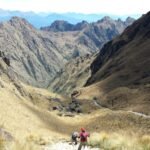
- Mount Karthala: Located on Grande Comore, Mount Karthala is one of the world’s largest active volcanoes. Hiking to its summit offers adventurous travelers spectacular views of the island and the volcanic crater. The trek is challenging but incredibly rewarding for nature lovers.
- Moheli Marine Park: Moheli is renowned for its marine park, which is home to rare species such as sea turtles, humpback whales, and dugongs. Snorkeling or diving in the clear waters here provides a fantastic opportunity to witness marine life up close.
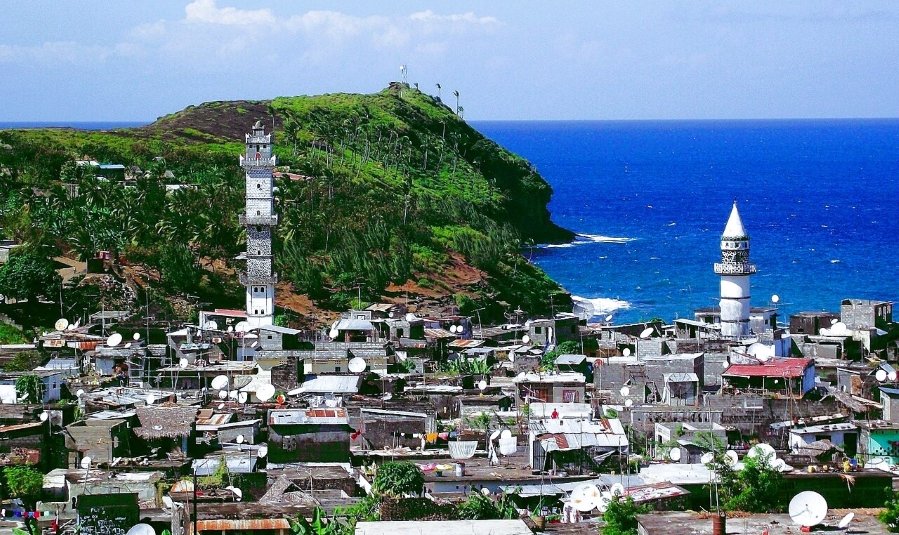
- Iconi and Its History: The village of Iconi on Grande Comore offers a glimpse into the island’s Arab and Swahili heritage. With its ancient mosques and fortresses, the area is rich in history and culture.
- Anjouan’s Waterfalls: Anjouan is the greenest of the islands, known for its lush rainforests and numerous waterfalls. The most famous is the Dziancoundre Waterfall, where you can take a refreshing dip after a day of exploring the island’s forests.
-
B. Off-the-Beaten-Path Recommendations:
- Itsamia Village on Moheli: Known as one of the best places to see sea turtles nesting, Itsamia offers visitors a rare chance to witness these magnificent creatures in their natural habitat. The small village is also an example of eco-tourism, with locals working hard to protect their environment.
- Chomoni Beach: This hidden gem on Grande Comore is often empty, giving you the chance to relax in peace and quiet on its pristine white sands. Perfect for those looking to escape the busier beaches.
- Cultural Markets in Moroni: While in the capital city of Moroni, take a stroll through the vibrant markets, where you can interact with locals and pick up handmade crafts, spices, and fabrics. This is a great way to experience the island’s daily life and culture firsthand.
- C. Local Food and Drink:
Comoros’ cuisine is a delightful mix of African, French, and Arab influences.- Grilled Fish and Seafood: Being surrounded by the ocean, fresh seafood is a staple. Grilled fish, usually served with coconut rice, is a local favorite.
- Langouste: A local delicacy, this spiny lobster is served grilled and often enjoyed during special occasions or at beachside restaurants.
- Cassava Leaves (Mkatra ya na Manioc): A popular dish, these leaves are cooked in coconut milk and served alongside rice or fish.
- Local Drinks: Don’t miss out on Vanilla Rum, a locally made spirit infused with the islands’ famous vanilla. For something non-alcoholic, try Ginger Juice, a spicy, refreshing drink made from fresh ginger and lime.
Travel Tips and Practical Information
- Currency: The official currency is the Comorian Franc (KMF), but Euros are also widely accepted. Be sure to carry cash, as ATMs are limited outside the capital.
- Language: While Comorian (Shikomori) is the national language, French and Arabic are also widely spoken. Knowing a bit of French will definitely come in handy.
- Transportation: There are limited public transportation options, so renting a car or hiring a local guide is your best bet for getting around the islands. Island-hopping is usually done by small planes or boats.
- Health Precautions: It’s important to note that malaria is present, so bring mosquito repellent and consider anti-malarial medication. Tap water is not safe to drink; stick to bottled water throughout your trip.
Nearby Points of Interest & Landmarks
While the Comoro Islands themselves offer plenty to explore, there are some nearby destinations worth considering:
- Mayotte: Technically a French overseas territory, Mayotte boasts some of the most beautiful coral reefs in the world. It’s an excellent destination for diving and snorkeling.
- Madagascar: A short flight away, Madagascar is home to unique wildlife and a rich culture. If you have time, combining a trip to Comoros with Madagascar offers an even more diverse travel experience.
- Tanzania and Zanzibar: If you’re looking to add some safari time or visit the historic spice island of Zanzibar, Tanzania is easily reachable by flight from Comoros.
Final Thoughts
The Comoro Islands may not yet be a household name for travelers, but that’s what makes it so special. With its untouched beaches, vibrant culture, and natural wonders, it’s the perfect destination for those looking to step off the beaten path. Whether you’re seeking adventure or relaxation, Comoros promises an unforgettable experience that will have you reminiscing long after you’ve returned home. / photo credit