Introduction of the Dar Pomorza
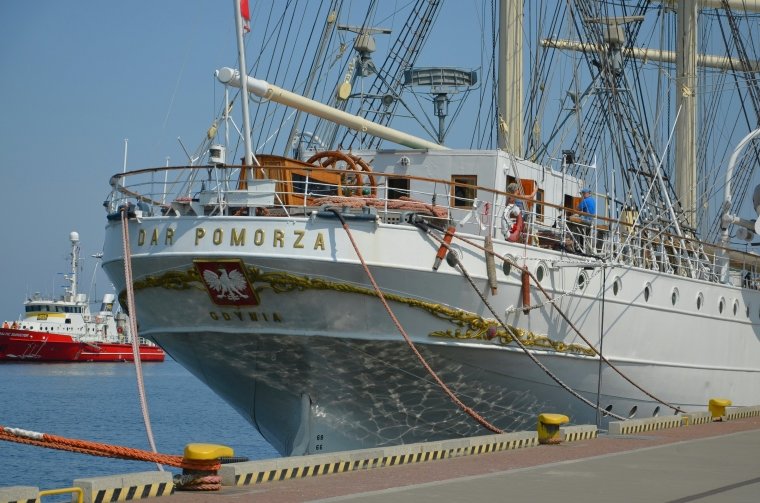
Perched elegantly along Gdynia’s waterfront, the Dar Pomorza isn’t just any museum; it’s a floating symbol of Polish maritime heritage. Known affectionately as the “White Frigate,” this historic sailing vessel has been an icon of Poland’s seafaring past since it first hit the waters in 1909. Today, the ship rests in the Port of Gdynia as a museum, drawing maritime enthusiasts, history buffs, and curious travelers eager to glimpse life on a training ship that’s survived wars, weathered oceans, and sailed across the globe. For those visiting Gdynia, stepping aboard the Dar Pomorza is a must-do experience, offering a mix of fascinating history, beautiful views, and a unique slice of Polish culture.
History Dar Pomorza
The Dar Pomorza’s origins are rooted in early 20th-century Hamburg, Germany. Originally constructed as the Prinzess Eitel Friedrich, this ship was initially intended as a training vessel for German merchant cadets. Built at Blohm & Voss shipyard in 1909, the vessel is a remarkable example of traditional sailing ship design, constructed with a robust steel hull and designed to endure the roughest of seas.
In the wake of World War I, the ship was seized by the French as war reparations and eventually sold to the Polish government in 1929. Renamed Dar Pomorza, or “The Gift of Pomerania,” it became a Polish training ship, a role it would serve for over 50 years. The vessel quickly became a source of pride for Poland, embodying the country’s determination to maintain its maritime traditions. As it trained countless Polish sailors, the Dar Pomorza also completed numerous voyages, including a round-the-world journey in 1934–35, a remarkable feat for a sailing ship of its time.
During World War II, the ship was docked in Sweden for safety and was later used by the Allies in support of the Polish war effort. After the war, Dar Pomorza returned to its role as a training ship, proudly flying the Polish flag and representing the country in international sailing competitions and events until its final voyage in 1981. In 1982, the ship was officially retired and transformed into a museum, where it continues to welcome visitors from around the globe.
Main Sections of the Museum Ship
The Deck
The main deck of the Dar Pomorza is a sight to behold. Gleaming white with traditional wooden details and brass fittings, it offers a glimpse into what life on board must have looked like in its heyday. Walking along the deck, visitors can see the tall masts, towering up to 49 meters high, and the intricate rigging. The main deck offers beautiful views of Gdynia’s harbor, with the ship’s bow proudly pointed toward the open sea, as if it were ready for its next adventure. Many visitors find the deck a great spot for photos, especially with the ship’s well-preserved features and beautiful lines.
The Engine Room
Although the Dar Pomorza is a sailing ship, it was outfitted with an engine for maneuvering in ports and areas with difficult wind conditions. The engine room is one of the most intriguing parts of the tour, where visitors can see the mechanics that allowed the ship to navigate more easily. Today, the engine stands as a reminder of the transition between sail and steam power, representing a time when technology was quickly changing the face of maritime travel.
Crew Quarters and Living Spaces
One of the most popular parts of the Dar Pomorza tour is exploring the crew’s living spaces. Visitors can see the bunks, storage areas, and mess halls where cadets trained and lived during their time at sea. The cramped quarters give an authentic sense of how sailors managed life on a training ship—learning discipline, teamwork, and skills that would prepare them for life on the water. For anyone fascinated by maritime life, these sections offer a realistic insight into the challenges and camaraderie that defined life at sea.
Captain’s Cabin
The captain’s quarters on Dar Pomorza are a step up from the modest accommodations of the crew. The cabin is spacious and includes a work desk, navigational charts, and even personal items from previous captains. The captain’s cabin embodies the authority and responsibility that came with leading such a vessel, as well as the respect given to the captain by his crew.
Navigational Room
The navigational room houses original compasses, charts, and logbooks, giving visitors an idea of how navigation was carried out on a traditional sailing ship. This room is especially popular with visitors interested in maritime history, as it showcases the tools and skills sailors used to navigate the open ocean without modern GPS technology. The room also holds historical documents, providing insight into the long voyages and various adventures undertaken by Dar Pomorza over the decades.
Activities and Visitor Experience
- Guided Tours: Tours are offered by knowledgeable guides who share fascinating stories about the ship’s voyages, its crew, and the critical role it played in Poland’s maritime training program. These guides bring the ship’s history to life, sharing anecdotes about life on board, famous captains, and even a few ghost stories.
- Interactive Exhibits: In recent years, Dar Pomorza has added interactive exhibits, allowing visitors to try their hand at tasks such as steering the ship’s wheel or practicing basic knots used in sailing. These activities are a hit with younger visitors and families, offering a hands-on experience of life at sea.
- Educational Programs: The museum offers specialized programs for schools and groups that delve deeper into the art and science of sailing. These sessions often include hands-on learning about navigation, weather patterns, and the skills required to sail a tall ship.
- Photography Spots: Photographers and social media enthusiasts will find countless spots to snap that perfect picture, with the white sails and Gdynia harbor creating a picturesque backdrop. Sunrise or sunset views from the deck are particularly breathtaking.
- Annual Events and Festivals: The museum ship hosts several events throughout the year, including maritime festivals, commemorations, and exhibitions related to Poland’s seafaring history. These events are an excellent time to visit, as they often feature additional exhibits, performances, and activities for visitors of all ages.
Off-the-Beaten-Path Recommendations
- Explore the Under-Deck Levels: Most visitors spend their time on the main deck and captain’s quarters, but don’t miss the lower decks, which hold fascinating details like storage areas and supply rooms.
- Evening Tours: Visiting Dar Pomorza in the evening offers a unique experience, with the harbor lights adding a magical quality to the ship’s deck. Some evenings feature special guided tours, where guides share stories of the ship’s more mysterious past.
- Participate in a Knot-Tying Workshop: Knot-tying is an essential skill for sailors, and the ship offers periodic workshops where visitors can learn this traditional craft.
- Gdynia Maritime Museum: Right next to the Dar Pomorza is the Gdynia Maritime Museum, which houses additional exhibits on Poland’s maritime history, including ship models, historical artifacts, and multimedia displays.
Travel Tips and Practical Information
- Location: Dar Pomorza is docked at the South Pier in Gdynia, an easy walk from the city center and near other attractions, such as the ORP Błyskawica, a WWII destroyer turned museum.
- Opening Hours: The ship is open year-round, but hours vary by season. Check the museum’s website for updated hours before visiting.
- Tickets: Admission is affordable, with discounts available for children, students, and seniors. Combo tickets with nearby attractions are also available.
- Best Time to Visit: Summer offers pleasant weather and more events, but autumn and spring are ideal for avoiding crowds.
- Facilities: The museum ship has restrooms and small gift shops near the entrance. It’s also partially accessible for those with limited mobility, though some areas are difficult to reach due to narrow stairways.
Nearby Points of Interest & Landmarks
- ORP Błyskawica: This historic WWII destroyer is docked nearby and is one of the oldest preserved destroyers in the world.
- Gdynia Aquarium: Located near Dar Pomorza, this popular attraction houses a wide array of marine species and offers an educational experience for families.
- Gdynia Beach: A short walk from the port, this clean and beautiful beach is perfect for a relaxing day by the sea.
- Kosciuszko Square: A lively square with shops, cafes, and great views of the harbor.
Final Thoughts
The Dar Pomorza is more than a museum,it’s a journey back in time, offering a chance to walk in the footsteps of sailors who braved oceans and storms for the thrill of the sea. It remains a testament to Poland’s rich maritime heritage, embodying a spirit of adventure, resilience, and pride. For visitors to Gdynia, exploring this majestic vessel is a must. Whether you’re a seasoned sailor, a history lover, or simply curious, stepping aboard the Dar Pomorza will leave you with memories of a timeless experience—one that showcases the incredible history and culture of Poland’s seafaring legacy.