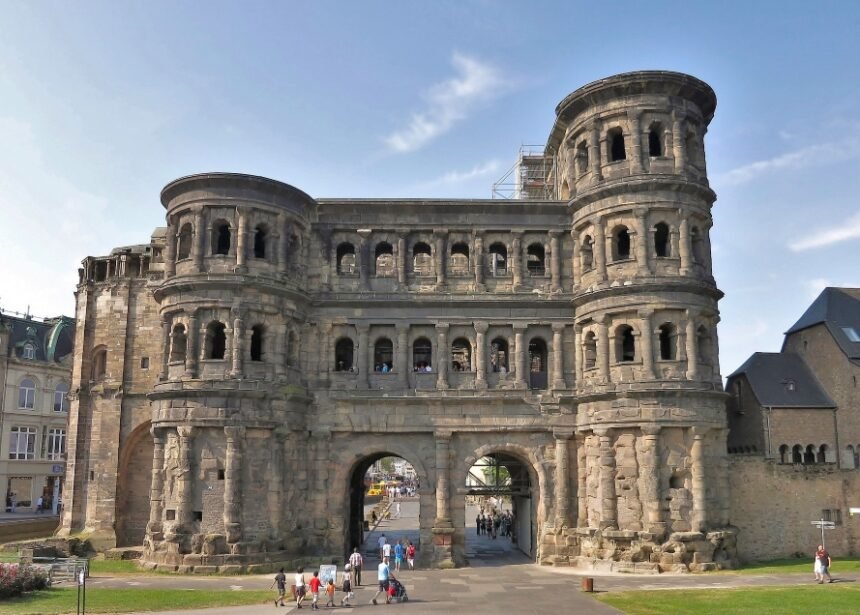
In the heart of Trier, Germany’s oldest city, stands the Porta Nigra, a colossal Roman city gate that has withstood the test of time. Translating to “Black Gate” due to its darkened sandstone, the Porta Nigra is more than just an ancient structure—it’s a doorway to the past. As a UNESCO World Heritage Site and one of the best-preserved Roman monuments north of the Alps, this iconic landmark offers an unforgettable glimpse into history, architecture, and culture. Whether you’re a history enthusiast, a casual traveler, or someone on the hunt for unique Instagram spots, the Porta Nigra promises an experience like no other.
A Gateway Through History
The Porta Nigra dates back to 170 CE, constructed as part of Trier’s extensive city fortifications during the Roman Empire. At the time, Trier (then called Augusta Treverorum) was a thriving metropolis and one of the empire’s most important cities in northern Europe.
Originally built as a fortified gate, the Porta Nigra was later repurposed in medieval times as a church, following its consecration by the Greek monk Simeon. After the monk’s canonization, the structure became a pilgrimage site until Napoleon Bonaparte ordered its restoration to its Roman form in the early 19th century.
The Porta Nigra’s towering sandstone blocks, weighing up to 6 tons each, were precisely cut and assembled without mortar—a testament to Roman engineering brilliance. Today, it serves as a vivid reminder of Trier’s imperial significance and its fascinating evolution through the centuries.
Fascinating Facts About the Porta Nigra
- The Largest Roman Gate in Northern Europe: The Porta Nigra stands 30 meters tall and is the largest surviving Roman city gate in the region.
- Napoleon’s Restoration: In 1804, Napoleon visited Trier and ordered the gate to be restored to its Roman glory, removing the medieval church additions.
- No Mortar Construction: The massive sandstone blocks were joined using iron clamps instead of mortar, showcasing the advanced techniques of Roman architects.
- Symbol of Trier: The Porta Nigra is not just an architectural marvel but also a symbol of Trier’s rich history and its pride as Germany’s oldest city.
- UNESCO World Heritage Site: Recognized for its cultural significance, the Porta Nigra is part of the Roman Monuments in Trier UNESCO designation.
- Ghost Stories: Local legends speak of Roman soldiers who continue to guard the gate, giving the Porta Nigra an air of mystery.
Activities and Experiences
Visiting the Porta Nigra isn’t just about admiring its towering structure; there’s plenty to do:
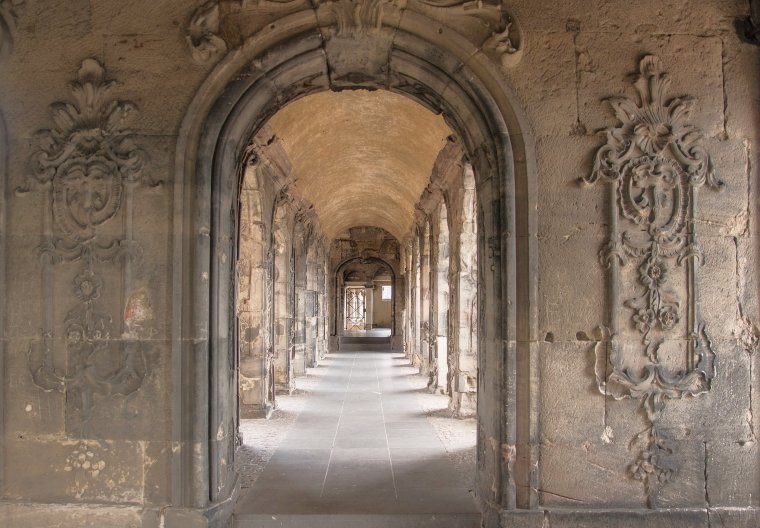
- Guided Tours: Explore the interior and learn about its transformation from a Roman gate to a medieval church and back to its original form.
- Panoramic Views: Climb to the top of the gate for breathtaking views of Trier’s old town and the surrounding Moselle Valley.
- Historical Reenactments: Participate in events where actors bring Roman soldiers and citizens to life, offering an immersive experience.
- Interactive Exhibits: Nearby museums and information centers provide detailed insights into the history and construction of the gate.
- Photography Heaven: Capture stunning shots of this architectural gem, especially during sunset when the darkened sandstone glows in golden light.
Getting There: How to Visit the Porta Nigra
- By Car: Trier is easily accessible via the A1 and A602 highways. Parking facilities are available near the city center.
- By Train: Trier’s main train station is just a 10-minute walk from the Porta Nigra, making it an ideal option for travelers.
- By Bus: Several bus routes stop near the Porta Nigra, including city and regional lines.
- On Foot: Trier’s old town is compact, and the Porta Nigra is easily reachable on foot from most central attractions.
Nearby Points of Interest and Landmarks
While the Porta Nigra is the star of the show, Trier offers a treasure trove of historical and cultural sites to explore:
- Trier Cathedral (Dom): Germany’s oldest cathedral, housing impressive Romanesque architecture and religious relics.
- Basilica of Constantine: A monumental Roman palace hall that now serves as a Protestant church.
- Roman Amphitheater: Step into the world of gladiators at this well-preserved amphitheater.
- Karl Marx House: The birthplace of Karl Marx, now a museum dedicated to his life and ideas.
- The Imperial Baths: One of the largest and most impressive Roman bath complexes in Europe.
- Moselle River Cruises: Relax on a scenic cruise along the Moselle River and take in the beauty of Trier’s surroundings.
Recap
The Porta Nigra is far more than an ancient gate—it’s a testament to Trier’s rich tapestry of history, culture, and architectural ingenuity. Whether you’re wandering through its massive arches, climbing to its highest points, or simply marveling at its resilience through millennia, the Porta Nigra offers an experience like no other.
Pair your visit with a stroll through Trier’s charming streets, and you’ll quickly see why this city—and its iconic gate—remain one of Germany’s most cherished destinations. So pack your bags, charge your camera, and get ready to step back in time!