If you’ve ever dreamt of traveling to a place that feels completely out of this world, Socotra should be at the top of your list. Often referred to as the “Galápagos of the Indian Ocean,” this remote Yemeni island is home to bizarre landscapes, alien-like plants, and wildlife you won’t find anywhere else on Earth. Picture towering dragon’s blood trees, white sandy beaches, and caves that look like they belong on another planet. With only a handful of visitors each year, Socotra remains a largely untouched paradise for nature lovers and adventurers. Ready for the ultimate off-the-grid experience? Let’s dive into what makes Socotra one of the most fascinating destinations on the planet!
Socotra is part of an archipelago off the coast of Yemen, located in the Arabian Sea, and it’s one of the most isolated places on Earth. Thanks to its remoteness and unique climate, the island boasts an astonishing amount of biodiversity. In fact, around 30% of Socotra’s plant species are found nowhere else in the world. This island has been shaped by millennia of geological isolation, resulting in its signature alien-looking landscapes that leave first-time visitors speechless.
The name “Socotra” is thought to come from the Sanskrit “Dvīpa Sūkhadhāra,” which means “Island of Bliss.” Given its surreal beauty and peaceful vibes, it’s easy to see why. Socotra’s history stretches back centuries as a trading hub, and it’s even mentioned in ancient texts. Though it’s politically part of Yemen, Socotra feels like a world of its own, offering something rare in today’s hyper-connected world—genuine adventure and discovery.
Main Attractions
- Dragon’s Blood Trees (Dracaena Cinnabari)
These trees look straight out of a sci-fi movie, with their umbrella-shaped canopies and blood-red resin, hence the name. They’re native to Socotra and are the island’s most iconic feature. The trees are not only striking but also provide medicinal properties that have been used for centuries by locals. - Qalansiyah Beach
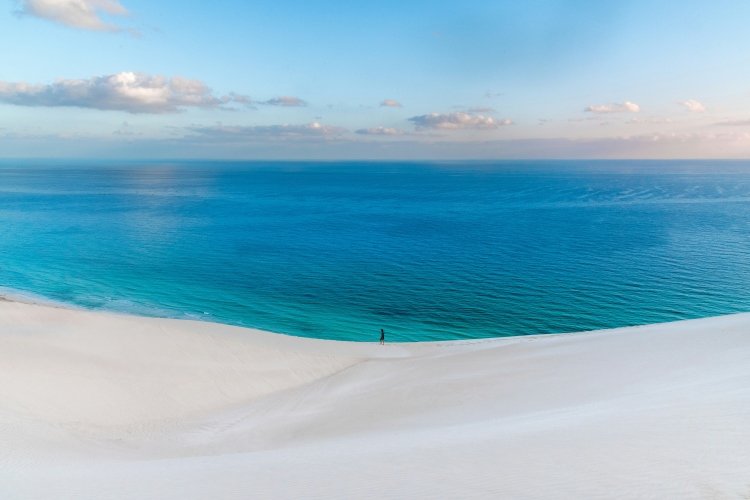
If you love pristine beaches, you’ll be amazed by Qalansiyah’s powdery white sand and clear blue waters. This beach is incredibly quiet and perfect for a day of lounging, snorkeling, or just enjoying the peace and quiet. It’s surrounded by massive sand dunes, which makes the scenery even more dramatic. - Hoq Cave
A trek to Hoq Cave is a must for any adventurer. It’s a 3-hour hike that leads you to a vast cave system filled with ancient stalactites, stalagmites, and mysterious rock formations. Some carvings inside date back to ancient times, possibly made by traders who passed through Socotra millennia ago.
Off-the-Beaten-Path Recommendations
- Diksam Plateau
Looking for some mind-blowing views? Head to the Diksam Plateau, home to an eerie, almost lunar-like landscape dotted with Dragon’s Blood Trees and canyons as far as the eye can see. The plateau is also where you might encounter local nomadic herders who call this area home. - Detwah Lagoon
A serene lagoon just a short hike from Qalansiyah, Detwah Lagoon is a hidden gem. It’s a haven for birdwatchers, with flamingos, herons, and other species making it their home. The mix of the turquoise waters and the pink hue of the flamingos creates a truly magical scene. - Arher Beach
Nestled between enormous dunes and the sea, Arher Beach offers a more rugged, remote experience. You can camp here overnight and sleep under the stars, with nothing but the sound of waves crashing on the shore.
Local Food and Drink
While Socotra isn’t exactly a foodie destination, the local fare is simple and satisfying. Fresh fish is a staple, often grilled and served with rice, bread, and a mix of local vegetables. You’ll also find some traditional Yemeni dishes like salta, a stew made with meat and vegetables, often spiced up with zhug, a fiery hot sauce. Due to its remote location, imported foods are rare, so expect basic meals that highlight the freshness of local ingredients. As for drinks, tea is a favorite, especially infused with cardamom or mint.
Travel Tips and Practical Information
- When to Visit: The best time to visit Socotra is between October and April when the weather is mild and there’s less chance of heavy winds. Avoid the summer months, as the island experiences monsoon winds, making it difficult to travel.
- How to Get There: Socotra is accessible by flights from Cairo or Seiyun, Yemen. Currently, direct flights from major hubs like Dubai have been suspended, so you’ll need to plan accordingly.
- Visas: You’ll need a visa to enter Yemen, and it’s highly recommended to work with a local tour operator to arrange travel and accommodation, as they can assist with visa processing.
- Accommodation: Don’t expect luxury resorts here. Socotra’s accommodation options are basic, with a few eco-lodges and guesthouses. Camping is also an option, especially if you’re visiting more remote areas like Arher Beach.
Nearby Points of Interest & Landmarks
While Socotra is the main attraction, the surrounding areas of Yemen also offer unique experiences:
- Shibam Hadramaut (Yemen’s Manhattan): Located on the mainland, this ancient city is famous for its tall mud-brick buildings, resembling a medieval skyscraper city.
- Al Mukalla: This coastal city offers a glimpse into Yemeni port life and is a hub for local culture and history.
- The Empty Quarter (Rub’ al Khali): If you want to extend your adventure, the Empty Quarter is one of the largest sand deserts in the world, known for its vast dunes and untouched beauty.
Conclusion
Socotra is a true hidden gem, a place where time seems to stand still, and nature reigns supreme. From the otherworldly landscapes to its unique flora and fauna, the island feels like a lost world waiting to be explored. It’s a destination for those who crave adventure, isolation, and discovery. Whether you’re hiking through rugged terrain, swimming in crystal-clear waters, or marveling at the strange beauty of a Dragon’s Blood Tree, Socotra is a travel experience unlike any other. Ready to escape the ordinary? Pack your bags, because Socotra is calling!