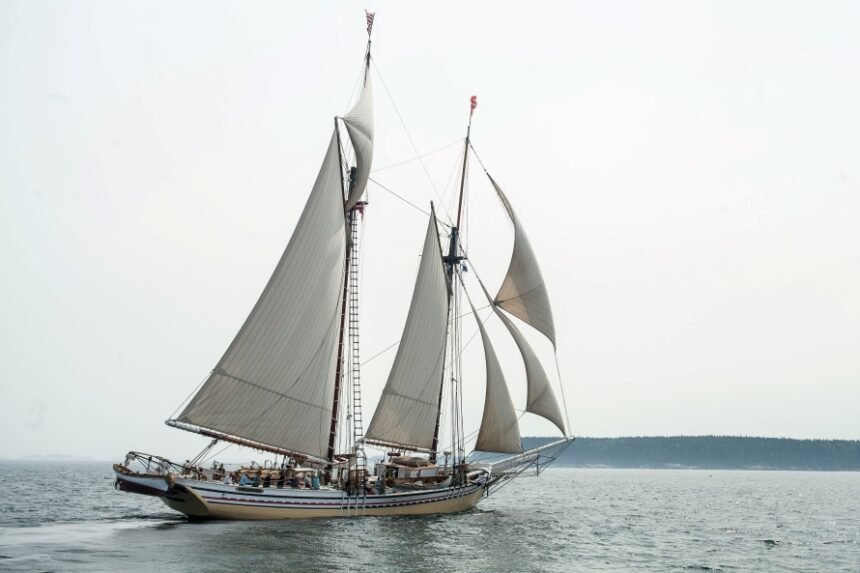
Every summer, the coast of Maine hosts one of the most exhilarating and unique maritime events in the United States—The Great Schooner Race. This annual race, a tradition that’s been captivating locals and visitors since 1977, brings together dozens of historic schooners for an epic sailing competition that’s as much a celebration as it is a race. Against the stunning backdrop of Penobscot Bay, schooners of all sizes and from all over New England go head-to-head, offering a spectacular display of nautical prowess, heritage, and sheer beauty. Whether you’re a sailing enthusiast, a lover of history, or just someone who loves a good seaside festival, The Great Schooner Race is a must-experience event that captures the very essence of Maine’s maritime culture.
- Background and History
- What Makes The Great Schooner Race Special?
- The Race: A Combination of Speed and Seamanship
- Main Activities for Spectators and Participants
- Watching the Start of the Race
- Sailing on a Schooner
- Island Views and Picnic Spots
- Shoreline Activities
- Off-the-Beaten-Path Experiences
- Practical Information
- Nearby Points of Interest
- Final Thoughts
Background and History
The Great Schooner Race began as a way to celebrate Maine’s rich maritime history and to honor the work of traditional schooners, many of which were once the backbone of Maine’s economy. Schooners were the go-to vessels for transporting goods like lumber, granite, fish, and produce along the New England coast. The 19th and early 20th centuries saw a boom in schooner activity, with Penobscot Bay serving as one of the most bustling waterways in the U.S.
By the late 20th century, however, schooners had become a rare sight, and the industry had all but disappeared. To preserve and promote the history of these majestic vessels, a group of Maine’s dedicated ship captains, maritime enthusiasts, and local organizations banded together to establish The Great Schooner Race. Their goal was simple: to celebrate Maine’s maritime heritage and share the excitement and beauty of schooner sailing with new generations. Today, it’s one of the largest gatherings of classic schooners in North America, and it attracts spectators, sailors, and photographers from around the world.
The race is also a tribute to the traditional skills of schooner handling, seamanship, and navigation, as many of these vessels are authentic wooden schooners that have been restored and maintained with painstaking care. Some are century-old ships that have been lovingly preserved, while others are newer but built in the classic style, capturing the spirit of traditional New England schooner design.
What Makes The Great Schooner Race Special?
The Fleet of Classic Schooners
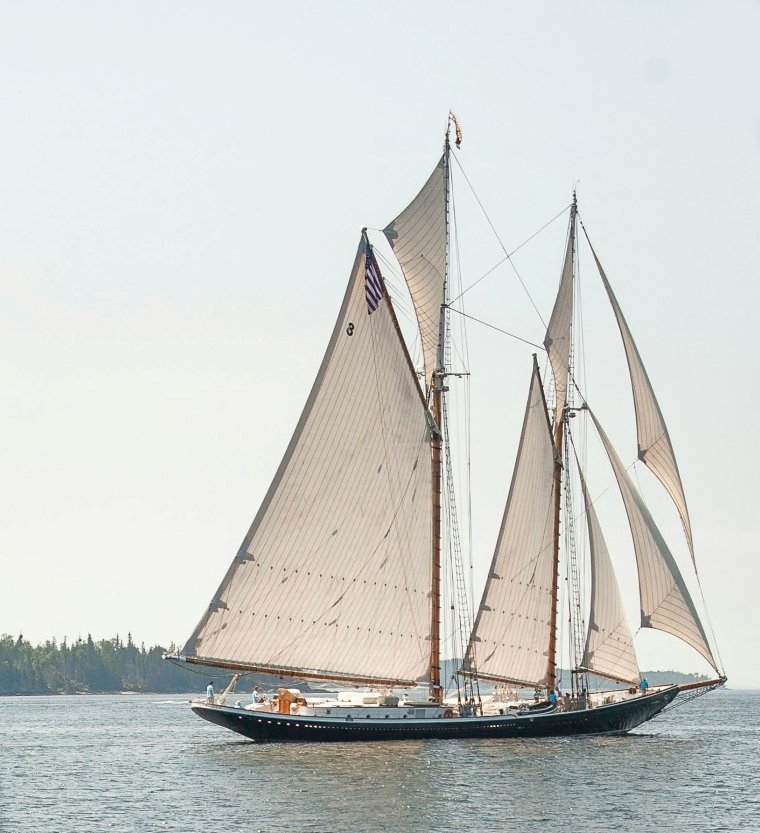
The race features an impressive variety of schooners, from large passenger vessels to smaller, more nimble boats that recall the early days of Maine’s maritime history. Some of these schooners, like the Stephen Taber and Victory Chimes, are historic vessels that have been designated National Historic Landmarks. These boats have unique stories, having once carried goods, fished the Maine waters, or served as early passenger vessels.
Each schooner in the race has its own personality and charm, with meticulously maintained wooden hulls, masts, and rigging that are testaments to the craftsmanship of traditional boatbuilding. Some of these schooners, like the historic Appledore or the Lewis R. French, have been participating in the race for decades, contributing to the rich heritage and community spirit that define the event.
The Route: Penobscot Bay
The race takes place in the breathtaking Penobscot Bay, with a course that weaves around its islands and offers scenic views of rocky coastlines, charming lighthouses, and endless stretches of blue ocean. Penobscot Bay’s winds and tides provide the perfect conditions for an exciting race, and the bay’s natural beauty makes it a favorite among spectators and sailors alike.
The course is challenging but manageable, allowing crews to showcase their sailing skills while providing plenty of visual excitement. The distance and specific route vary each year, depending on weather conditions, tides, and currents, but the setting is always picturesque. The combination of these traditional schooners racing across a beautiful bay with rolling waves and a backdrop of Maine’s coastline is a sight like no other.
The Race: A Combination of Speed and Seamanship
While The Great Schooner Race is indeed a competition, it’s also a celebration of skill, teamwork, and tradition. Rather than racing against the clock, schooners compete head-to-head, relying on their crews’ knowledge of the sea and experience in handling these classic vessels. For spectators, the race offers a thrilling spectacle, as the schooners glide across the water, captains calling commands, and crews scrambling up masts to adjust sails.
Handicap System
One of the unique aspects of the race is its handicap system, which levels the playing field by accounting for the size and capabilities of each vessel. This system allows schooners of different sizes and builds to compete fairly, ensuring that even the smallest boats can contend with larger vessels. While faster schooners have to give slower ones a head start, the system adds to the excitement, as it often results in tight finishes and unexpected winners.
Challenges and Strategies
The race isn’t just about speed; it’s a test of maritime skill. Schooners and their crews must navigate changing winds, avoid shallow waters, and carefully adjust their sails to make the most of Penobscot Bay’s conditions. Some captains are seasoned race veterans, while others are newer to the event, but all rely on their knowledge of the bay’s currents and winds to gain an edge.
Main Activities for Spectators and Participants
Watching the Start of the Race
The race typically begins in Rockland Harbor, where spectators gather on the docks or aboard smaller boats to watch the schooners line up at the starting line. Seeing the vessels up close, with their sails raised and crews at the ready, is a thrilling experience. The starting signal is often a cannon blast, and as it echoes across the harbor, schooners unfurl their sails and take off.
Sailing on a Schooner
For those looking to be part of the action, some schooners offer guest spots for the race. These “passenger crew” spots allow you to sail aboard one of these majestic vessels, lending a hand with the sails and getting a true feel for what it’s like to race a schooner. It’s a hands-on adventure that offers a unique perspective and a chance to experience the adrenaline of the race firsthand.
Island Views and Picnic Spots
Many visitors find a scenic spot on the islands or coastal areas to set up picnic blankets and enjoy the race from a distance. The islands in Penobscot Bay offer great vantage points, with some local spots offering boat rentals or shuttles to provide optimal views. It’s a relaxed way to take in the race while enjoying Maine’s natural beauty.
Shoreline Activities
The Great Schooner Race brings a festival atmosphere to the nearby towns, particularly Rockland and Camden, with various maritime events, live music, and food vendors. Rockland’s waterfront hosts special events in celebration of the race, including dockside tours, seafood tastings, and sailing demonstrations.
Off-the-Beaten-Path Experiences
- Visit the Shipyards: For a deeper dive into Maine’s schooner culture, head to nearby shipyards where these vessels are often built and maintained. Many shipyards welcome visitors, giving you a glimpse of the craftsmanship behind these historic ships.
- Attend the Award Ceremony: After the race, participants and spectators gather for a lighthearted award ceremony, where schooners are recognized not only for their performance but also for characteristics like “best-dressed crew” or “most spirited vessel.” It’s a fun way to cap off the event and celebrate the camaraderie that defines The Great Schooner Race.
- Join a Schooner for Multi-Day Voyages: Several schooners offer extended sailing trips that explore more of the coast. These voyages give you the opportunity to experience the schooner lifestyle, complete with hearty meals on deck, cozy bunks, and breathtaking views.
Practical Information
- Location: The race is centered in Rockland Harbor, Maine, and can be viewed from numerous points around Penobscot Bay.
- Best Time to Visit: The Great Schooner Race usually takes place in early July. Arriving a day or two early allows you to explore the area, visit nearby lighthouses, and get in the maritime spirit.
- Tickets: Spectating from land is free, while sailing aboard a participating schooner requires advance reservations and a fee.
- What to Bring: Binoculars, sunscreen, a hat, and a good camera are essential for viewing from shore. If you’re sailing, bring layers and comfortable shoes.
Nearby Points of Interest
- Rockland Breakwater Lighthouse: A short walk from Rockland Harbor, this iconic lighthouse offers great views of the harbor and is an ideal spot for pre-race sightseeing.
- Penobscot Marine Museum: Located in nearby Searsport, this museum features exhibits on Maine’s maritime history, shipbuilding, and the lives of seafaring Mainers.
- Owls Head State Park: This park offers hiking trails and views of Penobscot Bay, as well as the historic Owls Head Lighthouse.
- Camden Harbor: Just north of Rockland, Camden is another great spot to watch schooners and is home to several maritime festivals.
Final Thoughts
The Great Schooner Race isn’t just a race; it’s a celebration of history, skill, and community that captures the essence of Maine’s coastal culture. Whether you’re on the deck of a schooner, watching from shore, or exploring nearby maritime attractions, this event is an invitation to step back in time and experience the thrill of traditional sailing. For those seeking an authentic taste of Maine’s maritime heritage, The Great Schooner Race is an unforgettable experience—one that promises to leave you with a new appreciation for the beauty and power of schooners and the spirit of the sea.