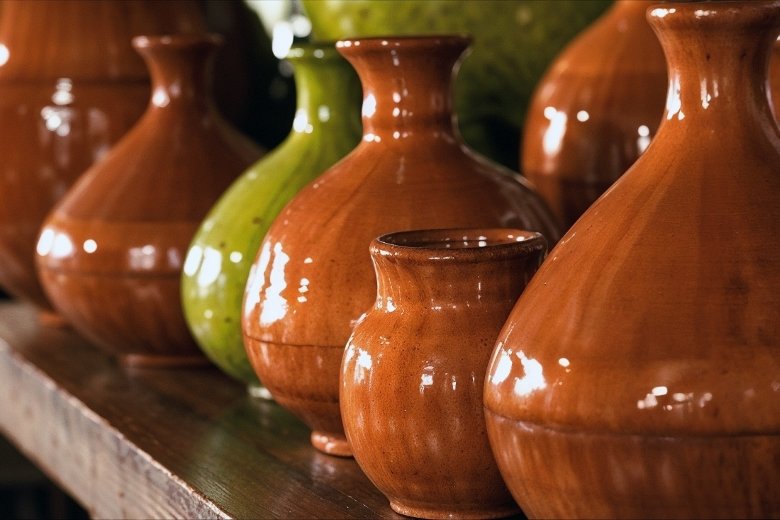
Located along the banks of the Ebro River, Miravet is a picturesque village in Spain that’s famous for its long-standing tradition of pottery. This small town, located in Catalonia, has been shaping clay into beautiful, functional art for centuries. Walking through its winding streets, you can still find traditional workshops where artisans continue to practice their craft, using methods passed down through generations. If you love handmade ceramics or are simply curious about ancient crafts, a visit to Miravet offers a chance to see authentic pottery-making in action.
The Pottery of Miravet : History
The pottery tradition in Miravet stretches back to the Moorish period, around the 12th century, when the town became known for its high-quality ceramics. The location of Miravet played a crucial role in this development. Situated by the Ebro River, the town had easy access to a rich supply of clay, while the nearby forests provided ample wood for the kilns. The pottery industry flourished as the river also served as a natural transportation route, making it easy to trade ceramic goods with other regions.
Under the influence of Moorish craftsmanship, the potters of Miravet developed unique styles and techniques. They were known for producing everything from everyday utilitarian items like jugs and bowls to more ornate, decorative pieces. During this period, Miravet pottery became highly sought after for its durability and beauty.
As time passed, the pottery industry remained strong even through various political and social changes. In the 18th and 19th centuries, pottery from Miravet was widely exported, and the town became a significant center for ceramic production in the region. While modern advancements in manufacturing have diminished the demand for traditional pottery, Miravet remains one of the few places where this ancient craft is still practiced by hand. Today, it’s more about preserving the culture and heritage of the craft than producing mass-market goods, but the pottery of Miravet is still beloved by locals and visitors alike.
Now, I know what you’re thinking – “Surely the Industrial Revolution put a damper on things?” Well, you’d be right… partially. While mass production did give traditional pottery a run for its money, Miravet’s potters weren’t about to throw in the towel. Instead, they doubled down on what made them special: quality, craftsmanship, and a hefty dose of tradition.
Today, Miravet’s pottery industry might be smaller than in its heyday, but it’s far from extinct. In fact, there’s been a real resurgence in recent years. People are rediscovering the charm of handmade ceramics, and Miravet’s potters are more than happy to oblige. They’re keeping centuries-old techniques alive while also experimenting with new styles and designs. So, there you have it – over a thousand years of pottery-making history, condensed into a nutshell. From Muslim artisans to modern-day craftspeople, Miravet’s pottery tradition has weathered invasions, reconquests, industrial revolutions, and changing tastes. If that’s not resilience, I don’t know what is!
Traditional Pieces
Alright, let’s talk about the stars of the show – the traditional pottery pieces of Miravet. These aren’t your run-of-the-mill bowls and plates; we’re talking about ceramic rock stars here!
- Càntir: This is the big cheese of Miravet pottery. It’s a water jug with a narrow neck and a spout, perfect for keeping water cool in the scorching Spanish summers. Pro tip: drinking from a càntir is an art form – tilt it just right, and you’ll look like a local!
- Gibrell: Think of this as the Swiss Army knife of pottery. It’s a large, shallow bowl used for everything from kneading dough to washing clothes. Multi-tasking at its finest, folks!
- Cassola: This is your go-to for whipping up a mean paella or any other traditional Catalan dish. It’s a wide, shallow cooking pot that’s as beautiful as it is functional.
- Setrill: Olive oil fanatics, this one’s for you! It’s a small pitcher designed specifically for pouring olive oil. Because let’s face it, drizzling oil should be done in style.
- Morter: No, not the kind you use in construction! This is a mortar for grinding herbs and spices. It’s sturdy enough to handle your most aggressive pestle-wielding moments.
Remember, each piece is handcrafted and unique. So if you’re lucky enough to snag one, you’re not just getting a pot – you’re getting a piece of Miravet’s history!
The Raval dels Canterers – The Traditional Workshops
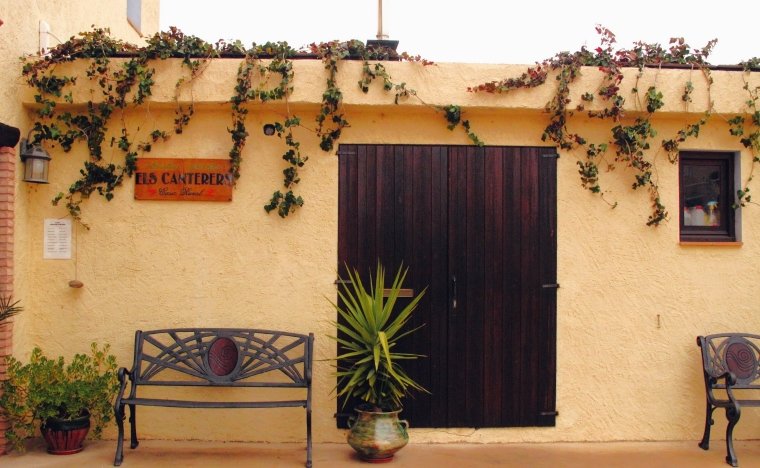
Picture this: you’re strolling down a narrow, winding street, the air thick with the earthy smell of clay and the sound of pottery wheels spinning. Welcome to the Raval dels Canterers, the beating heart of Miravet’s pottery scene!
This historic neighborhood is where the magic happens. It’s home to a cluster of traditional workshops, each one a treasure trove of ceramic wonders. These aren’t your typical studios – many of them have been passed down through generations, with techniques and secrets handed from master to apprentice.
As you wander the Raval, you’ll spot potters at work through open doors, their hands expertly shaping clay into beautiful forms. Don’t be shy – most artisans are more than happy to chat about their craft or even give you a quick demonstration. Just remember to ask politely, and maybe brush up on your Catalan!
Some workshops offer guided tours or hands-on experiences. So if you’ve ever fancied trying your hand at the potter’s wheel, this is your chance! Just don’t expect to create a masterpiece on your first try – these folks make it look way easier than it actually is!
Key Features
What sets Miravet pottery apart from the crowd? Let me break it down for you:
- Clay Composition: Miravet potters use a special blend of local clays, giving their pieces unique durability and a distinctive reddish hue.
- Glazing Techniques: The traditional green and brown glazes are a Miravet signature. They’re not just pretty – they make the pottery water-resistant and food-safe.
- Wheel-Throwing: Most pieces are still made on the potter’s wheel, a technique that’s been used here for centuries.
- Decorative Elements: Look out for simple yet elegant patterns, often inspired by nature or geometric shapes.
- Functionality: Miravet pottery isn’t just for show. These pieces are designed to be used in everyday life, combining beauty with practicality.
- Firing Process: Traditional wood-fired kilns are still used by some potters, giving the pieces a unique finish that can’t be replicated by modern methods.

Activities – Experiences
Visitors to Miravet can do more than just shop for pottery; they can immerse themselves in the craft through hands-on experiences:
- Pottery Workshops: Many of the workshops offer classes where visitors can try throwing their own pots on the wheel or painting a pre-made piece.
- Pottery Tours: Guided tours through the Raval dels Canterers give visitors insight into the history and process of pottery-making in the region.
- Shopping for Souvenirs: Take home a piece of Miravet’s heritage, whether it’s a simple mug or an intricately designed decorative vase.
Getting There
Ready to embark on your Miravet pottery adventure? Here’s the scoop on getting there:
- By Car: Miravet is about a 2-hour drive from Barcelona. Take the AP-7 motorway and exit at L’Aldea-Amposta-Tortosa.
- By Public Transport: Take a train from Barcelona to Móra la Nova, then catch a local bus to Miravet. It’s a bit of a journey, but hey, good things come to those who wait!
- Once in Miravet: The pottery workshops are mainly concentrated in the Raval dels Canterers. It’s a small town, so you can easily explore on foot.
Pro tip: Consider hiring a local guide for a more in-depth pottery tour. They know all the hidden gems and might even introduce you to some master potters!
Final Thoughts
There you have it, folks – a whirlwind tour of Miravet’s pottery scene! From its ancient roots to the bustling workshops of today, this little town has managed to keep its ceramic traditions alive and kicking.
Whether you’re a pottery pro or just someone who appreciates a good jug, Miravet has something for everyone. It’s not just about buying a souvenir; it’s about connecting with centuries of craftsmanship and taking home a piece of living history.
So, next time you’re in Catalonia, why not veer off the beaten path and pay a visit to Miravet? Who knows – you might just discover your inner potter! And even if you don’t, you’ll definitely come away with a newfound appreciation for the art of pottery and the dedicated artisans keeping this beautiful tradition alive.
Remember, every piece of Miravet pottery tells a story – of the earth, the artisan, and a town that refused to let go of its clay-stained heritage. Now that’s something worth raising a càntir to!