Located high in the misty mountains of Flores, Indonesia, Wae Rebo Village feels like a journey back in time. A UNESCO World Heritage Site, Wae Rebo is famous for its unique Mbaru Niang houses, cultural authenticity, and lush surroundings. Its remote location means only the most adventurous travelers make it to this enchanting village, giving it a magical, almost untouched quality. Here, you’ll find a world far removed from modernity, where the locals preserve a unique way of life amid the beauty of nature.
History of Wae Rebo Village
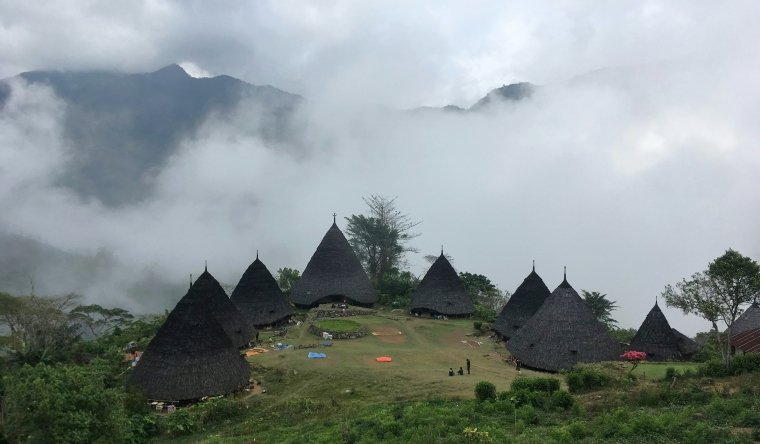
Wae Rebo is a centuries-old Manggarai village with a long history of tradition, preserved through generations. Founded by ancestors who migrated from Minangkabau in Sumatra, the village developed its iconic cone-shaped houses, known as Mbaru Niang, under unique architectural techniques passed down over time. The seven towering Mbaru Niang houses form a symbol of the village’s resilience and connection to the land and spirit of their ancestors. In the early 2000s, Wae Rebo caught the attention of conservationists, leading to its restoration and a UNESCO award. Today, it’s both a living cultural site and a tourist destination.
Attractions in Wae Rebo
- Mbaru Niang Houses
The iconic cone-shaped houses of Wae Rebo, the Mbaru Niang, are seven structures built in perfect symmetry. Each Mbaru Niang serves different purposes for the villagers, from communal spaces to family homes. You’ll be captivated by the unique architecture, and you can even enter and explore their interior, appreciating the craftsmanship and dedication behind these masterpieces. - Panoramic Mountain Views
Wae Rebo’s secluded location in the mountains of Flores rewards visitors with panoramic views. The trek to the village itself is a scenic journey through lush forests and jungle terrain, where you’ll enjoy breathtaking vistas of Flores’ rugged landscape and diverse wildlife. - Cultural Encounters with the Manggarai People
Visitors get a chance to experience the daily lives and traditions of the Manggarai people. You can join villagers in activities like weaving, coffee farming, and cooking traditional meals. This cultural immersion allows you to see a lifestyle that’s largely unchanged by modern society.
Interesting Facts about Wae Rebo
- Seven Mbaru Niang Houses: The number seven is highly symbolic and sacred to the people of Wae Rebo. It represents their seven ancestral homes.
- UNESCO Recognition: Wae Rebo’s restoration project received the UNESCO Asia-Pacific Heritage Award, which recognizes outstanding achievements in conserving cultural sites.
- No Electricity Grid: Wae Rebo relies on solar energy as its primary source of electricity.
- Coffee Farming Tradition: Coffee farming has been a staple of life here for generations, and the coffee produced is organically grown without any artificial fertilizers or pesticides.
Activities in Wae Rebo
- Guided Trekking and Hiking
The trek to Wae Rebo is an experience in itself. The journey, typically around three hours, takes you through lush jungles, rivers, and mountain trails, offering views that are just as mesmerizing as the destination. - Traditional Cooking Lessons
For food enthusiasts, Wae Rebo provides a unique opportunity to learn traditional cooking techniques using local ingredients. You can join the villagers in preparing authentic Manggarai dishes, often cooked over open flames. - Cultural Ceremonies
If you’re lucky to visit during a village celebration, you’ll witness traditional ceremonies that are deeply rooted in Manggarai culture, including music, dancing, and ritual offerings. - Coffee Tasting and Farming Experience
Wae Rebo is known for its organic coffee. You’ll be able to learn the coffee-making process from tree to cup, experiencing how the locals cultivate and prepare their beloved drink.
Off-the-Beaten-Path Recommendations
- Wae Rebo Waterfall: A hidden waterfall located not too far from the village. Take a guided hike to discover this secluded spot, perfect for cooling off after your trek.
- Local Handicrafts: Check out local textiles and handicrafts, handmade by the women of Wae Rebo. These make for unique and meaningful souvenirs while supporting the local economy.
- Spend a Night in a Mbaru Niang: For a more immersive experience, consider spending a night in a Mbaru Niang house. This gives you a rare opportunity to experience village life from dusk till dawn.
Travel Tips and Practical Information
- When to Visit: The dry season from April to November is ideal for trekking to Wae Rebo. Avoid the rainy season, as the trail can be slippery and challenging.
- What to Pack: Pack light but bring essentials like rain gear, insect repellent, and sturdy hiking boots. A flashlight and power bank are also recommended, as there’s limited electricity in the village.
- Respecting Local Customs: Wae Rebo has a strong cultural identity, so be mindful of customs, ask for permission before taking photos of people, and dress modestly.
- Overnight Accommodation: Staying overnight in Wae Rebo requires a small fee, which contributes to the village’s maintenance and development. Basic bedding and meals are provided.
Nearby Points of Interest & Landmarks
- Ruteng: This bustling town serves as a great base for exploring Wae Rebo. You can also check out local attractions like spider-web rice fields and Mount Ranaka.
- Komodo National Park: While on Flores, make sure to visit Komodo National Park, home to the world-famous Komodo dragons.
- Cancar Spider-Web Rice Fields: Known for their intricate, spider-web-like design, these rice fields offer a mesmerizing landscape view that’s truly unique.
Getting There
Here’s how to reach Wae Rebo:
- Fly to Labuan Bajo: Start by flying into Labuan Bajo on the island of Flores.
- Drive to Dintor Village: From Labuan Bajo, take a car or public bus to Dintor village.
- Continue to Denge Village: From Dintor, you can catch a ride or walk to Denge, the starting point for the hike.
- Trek to Wae Rebo: Finally, embark on the 2–4 hour trek from Denge to Wae Rebo village.
Final Thoughts
Wae Rebo Village is a hidden gem that offers a glimpse into an ancient, yet still vibrant, way of life. Visiting this remote village is like stepping into another world, where the pace of life is slow, and tradition is cherished. If you’re looking to experience the cultural heartbeat of Flores in a serene mountain setting, Wae Rebo is the perfect destination for a unique and unforgettable adventure.