Located between the more famous pyramids of Giza and Saqqara, Zawyet El Aryan is an often-overlooked archaeological site in Egypt. If you’re a fan of ancient wonders, hidden secrets, and mysterious buried structures, this place will absolutely intrigue you. While it’s not on the typical tourist trail, this lesser-known destination offers a fascinating glimpse into Egypt’s enigmatic past. And the best part? You’ll probably have the site all to yourself. In this guide, we’ll dive into the pink granite megaliths, explore the theories around the buried site, and give you some travel tips to make the most of your off-the-beaten-path adventure.
Zawyet El Aryan, located just 7 kilometers from Giza, is home to two main pyramid structures: the Layer Pyramid and an unfinished one often referred to as the Unfinished Pyramid. Unlike its more famous neighbors, these structures don’t attract hordes of tourists, partly because much of the area is restricted due to its proximity to a military base. However, the bits that have been explored reveal incredible craftsmanship, mysterious stone constructions, and questions that still puzzle archaeologists today.
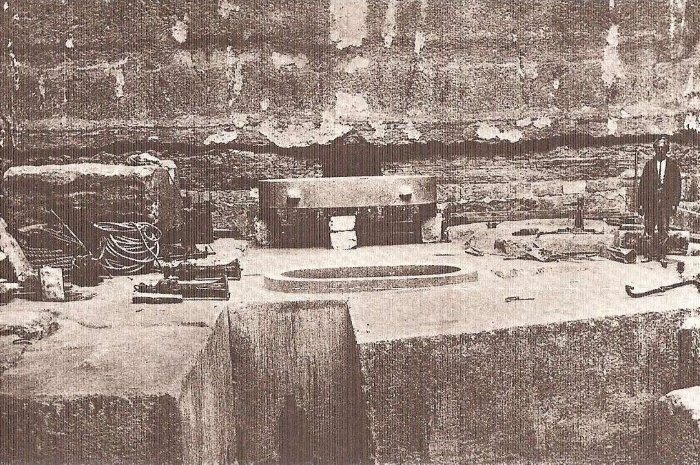
The most captivating feature of Zawyet El Aryan is its granite-lined underground structure, which has left many wondering about its original purpose. Was it a tomb? A ceremonial site? Or something entirely different? Dating back to Egypt’s Third Dynasty, around 2700 BCE, the site is believed to have been an important construction project, but for reasons still unknown, it was never completed. The combination of ancient technology, precision-cut stones, and unanswered questions makes Zawyet El Aryan a must-see for anyone interested in the deeper mysteries of Egyptian history.
The Pink Granite Megaliths
One of the most striking features of Zawyet El Aryan is its pink granite megaliths. These massive stone blocks were carved with remarkable precision and are found deep beneath the ground level. Unlike the limestone commonly used in other pyramid constructions, pink granite is harder to work with, which raises even more questions about the advanced skills of the ancient Egyptians. The granite comes from Aswan, over 800 kilometers away, showing the lengths ancient builders went to for this site.
Some of these megaliths form what appears to be a sarcophagus-like structure. What’s mind-blowing is the perfect fit of the blocks, which are carved so precisely that even today’s modern engineering techniques would struggle to replicate them. No hieroglyphs, decorations, or inscriptions have been found, leaving archaeologists in the dark about the intended purpose of this enigmatic chamber.
The Mystery of the Buried Site
What makes Zawyet El Aryan even more curious is the fact that much of it remains buried. Unlike the grand pyramids towering above ground, much of this site is subterranean, leading to speculation about why it was designed this way. Was it for protection? Religious significance? Or simply a construction that was abandoned for unknown reasons?
Archaeological excavations have revealed only a fraction of what could lie beneath the sand. Political and military restrictions in the area have hampered further research, meaning much of the site is still unexplored. What we do know is that the site’s underground chambers, cut into bedrock and lined with granite, seem to serve some ceremonial or burial purpose. Whether it was a royal tomb or something entirely different, the mystery remains.
The Theories
Given the limited information available, a number of theories about Zawyet El Aryan’s purpose have emerged. Some experts believe it was meant to be a pyramid, much like those at Giza, but was abandoned due to political changes or resource constraints. Others suggest it could have been a mastaba (a type of ancient Egyptian tomb) or a royal burial site that was never completed.
One of the most intriguing theories is that Zawyet El Aryan might have had astronomical significance. Some researchers suggest that the underground structure aligns with certain celestial bodies or events, making it a kind of “observatory” or spiritual site. While this theory remains speculative, it adds yet another layer to the site’s mystique.
The Military Base
Unfortunately, part of Zawyet El Aryan lies within a restricted military zone, limiting access to researchers and tourists alike. This has significantly slowed down excavation efforts and left large portions of the site unexplored. However, some believe this restriction has helped preserve the site from over-tourism and environmental damage, leaving it in a relatively untouched state.
For visitors hoping to see Zawyet El Aryan up close, be aware that not all sections may be accessible due to the military presence. Still, guided tours can give you a glimpse of the site’s most intriguing aspects, especially the underground granite structures.
Off-the-Beaten-Path Recommendations
If you’re already planning to visit the Giza Plateau or Saqqara, taking a side trip to Zawyet El Aryan is well worth the effort. Because it’s not flooded with tourists, you’ll have the opportunity to experience the site in peace, almost like a private viewing of an ancient mystery.
- Wear comfortable shoes: The site requires a bit of walking, especially if you’re exploring the nearby areas.
- Bring a hat and sunscreen: There isn’t much shade, so protection from the sun is key.
- Hire a local guide: Since the site is less touristy, a knowledgeable guide can provide invaluable insights you won’t find on the internet.
Travel Tips and Practical Information
- Best time to visit: October to April, when temperatures are cooler and more comfortable for walking.
- How to get there: Zawyet El Aryan is about a 20-minute drive from Giza. You can take a taxi or book a private tour.
- Cost: Access to the site may require special permits due to military restrictions. It’s best to inquire ahead of time through a travel agency or local guide.
Nearby Points of Interest & Landmarks
While you’re in the area, make sure to check out:
- The Giza Pyramids (just 7 km away): Home to the Great Pyramid, one of the Seven Wonders of the Ancient World.
- Saqqara: The ancient necropolis featuring the famous Step Pyramid of Djoser.
- Dahshur: Another pyramid site known for the Bent Pyramid and the Red Pyramid, both fantastic alternatives to the more crowded Giza.
Final Thoughts
Zawyet El Aryan might not be as famous as the pyramids of Giza, but it offers a unique and quieter experience for travelers keen on diving into Egypt’s ancient mysteries. From the precision-carved pink granite megaliths to the underground chambers waiting to be explored, this site is a hidden gem worth visiting for those looking to venture off the beaten path. So next time you’re in Egypt, why not add a little mystery to your adventure? /photo credit.