




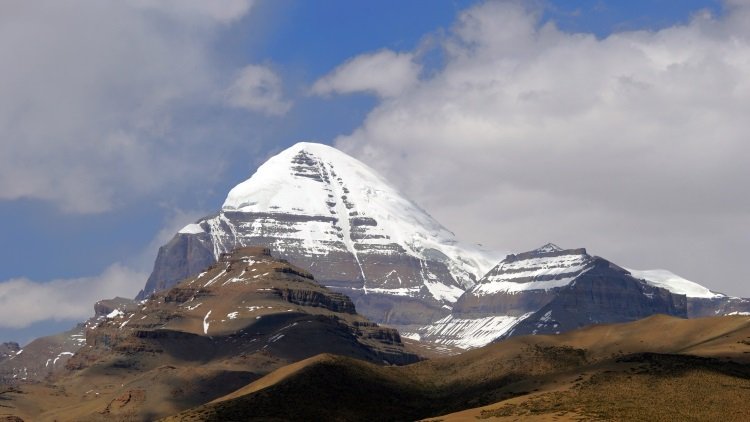
Mount Kailash, located in the remote reaches of Tibet, is more than just a stunning peak—it’s a spiritual journey for many. Rising to 6,638 meters, this mystical mountain is sacred to four major religions: Hinduism, Buddhism, Jainism, and Bon. While you won’t be climbing to its summit (it’s forbidden), a pilgrimage to its base and a trek around it—known as a kora—offers one of the most spiritual and awe-inspiring experiences in the world. The towering beauty of Kailash, combined with its religious significance and remote location, makes it a must-visit for those looking to explore Tibet’s incredible landscapes and spiritual heart. Curious about what makes Mount Kailash so special? Let’s dive into this hidden treasure of Tibet!
Mount Kailash is located in the far west of Tibet, standing as part of the Transhimalaya mountain range. While it’s not the tallest peak in the region, its significance is unmatched. Revered by Hindus as the home of Lord Shiva, Buddhists believe it to be the center of the universe, while Jains hold that their first Tirthankara attained enlightenment here. For followers of Bon, Tibet’s ancient indigenous religion, Kailash is considered a sacred mountain that represents spiritual power.
Due to its deep religious meaning, Mount Kailash has never been climbed, and attempts to summit the peak are forbidden. The focus of visitors is the kora, a 52-kilometer circumambulation around the base of the mountain, which takes about three days to complete. Many believe that completing the kora brings spiritual blessings, cleanses sins, and brings good karma. Every year, pilgrims from around the world come to Tibet to complete this journey, braving tough terrain, high altitudes, and freezing temperatures for this profound experience.
Main Attractions
- The Kora (Circumambulation)
The most iconic activity around Mount Kailash is completing the kora, a holy walk around the base of the mountain. This 52-kilometer trek takes you through breathtaking landscapes, from grassy valleys to rocky, high-altitude passes. One of the most famous spots along the kora is the Dolma La Pass, which sits at an altitude of 5,630 meters. Here, trekkers often leave offerings or prayers, marking this as one of the most spiritually significant points along the journey. - Lake Manasarovar
Located just a short distance from Mount Kailash, Lake Manasarovar is another sacred site. This freshwater lake is considered by Hindus to be the source of purity, and bathing in its waters is believed to cleanse one’s sins. The lake’s crystal-clear water, set against the backdrop of snowy peaks, is simply stunning. Pilgrims and travelers alike come here to enjoy its beauty, meditate, or simply take in the peaceful surroundings.
Off-the-Beaten-Path Recommendations
- Lake Rakshastal
For those looking to explore something a little different, visit nearby Lake Rakshastal. In contrast to the serene and sacred Lake Manasarovar, Rakshastal is considered a “demonic” lake in Hindu mythology. Its deep blue waters are stunning, and the lake’s stark beauty offers an eerie contrast to the spiritual calm of Manasarovar. It’s less visited by tourists but provides a unique and quieter experience for those who make the journey. - Gaurikund (The Emerald Lake)
Hidden along the kora route, Gaurikund is a small greenish lake that is sacred to Hindus. According to mythology, this is where the goddess Parvati, Shiva’s consort, bathed. The location is serene and often overlooked by those not in the know, making it a peaceful stop during your trek around Kailash.
Activities
- Meditation and Spiritual Reflection
Given Mount Kailash’s profound spiritual significance, many visitors use their time here to meditate, reflect, or engage in religious rituals. You’ll find pilgrims performing prostrations, chanting, and offering prayers as they circle the mountain. Even if you’re not religious, the peaceful atmosphere and natural beauty make it an ideal place for personal reflection. - Photography
The breathtaking landscapes around Mount Kailash provide incredible opportunities for photography. Whether it’s the towering, snow-capped peak of Kailash itself, the glassy waters of Lake Manasarovar, or the stark beauty of the surrounding valleys, you’ll want to keep your camera ready. Sunrises and sunsets, in particular, bathe the mountains in a soft, ethereal glow that’s absolutely mesmerizing. - Trekking
While the kora is the main trekking route, you can also explore some of the surrounding areas. Short hikes to the nearby lakes or valleys offer more chances to see local wildlife, such as wild yaks, blue sheep, and various bird species. The rugged, untouched landscapes make every step feel like an adventure.
Travel Tips and Practical Information
- Best Time to Visit:
The ideal time to visit Mount Kailash is between May and September when the weather is more stable. During these months, the conditions are less extreme, making it easier to trek. Avoid winter, as heavy snow and freezing temperatures make the area inaccessible. - Permits:
Tibet requires special permits for foreign travelers, and Mount Kailash is no exception. You’ll need a Tibet Travel Permit and a Mount Kailash Permit, which are usually arranged through a registered travel agency. Independent travel is not allowed in Tibet, so you’ll need to join an organized tour. - Altitude Sickness:
The kora around Mount Kailash involves altitudes of over 5,000 meters, so proper acclimatization is key. Spend a few days in Lhasa or another high-altitude city to adjust before attempting the trek. It’s also advisable to carry altitude sickness medication and stay hydrated. - What to Bring:
Pack warm clothing, as temperatures drop significantly, especially at night. Comfortable trekking shoes, a hat, sunscreen, and sunglasses are essential due to the high-altitude sun exposure. If you plan to meditate or participate in spiritual activities, bringing prayer flags or small offerings is a common practice.
Nearby Points of Interest & Landmarks
- Lake Manasarovar
As mentioned earlier, this sacred lake is an absolute must-see near Mount Kailash. Its crystal-clear waters are a place for spiritual cleansing, and the scenic beauty is unparalleled. - Tirthapuri Hot Springs
After completing the kora, many pilgrims visit the Tirthapuri Hot Springs to relax and soak their tired muscles. These natural hot springs are believed to have healing properties, and the surrounding landscape is breathtaking. - Guge Kingdom Ruins
Located a bit further afield, the ruins of the ancient Guge Kingdom are worth the trip for history buffs. This long-abandoned Tibetan kingdom features caves, temples, and palaces carved into cliffs, offering a fascinating look into the region’s rich history.
Conclusion
Mount Kailash is more than just a destination—it’s a spiritual pilgrimage, an adventure, and an awe-inspiring natural wonder all rolled into one. Whether you’re completing the kora for spiritual reasons, marveling at the beauty of Lake Manasarovar, or simply soaking in the peaceful atmosphere of this remote region, Mount Kailash will leave a lasting impression. Its significance to so many cultures and religions adds layers of depth to an already spectacular journey. Ready to explore one of the most mystical places on earth? Mount Kailash is waiting!