




Perched high above the Durance River valley, Mont-Dauphin is a unique and lesser-known fortified village that seems frozen in time. Nestled in the breathtaking landscape of the French Alps, this UNESCO World Heritage Site is a treasure trove of history and architecture. While it may not be on every traveler’s radar, Mont-Dauphin offers a rare glimpse into 17th-century military design, beautifully preserved over centuries. Whether you’re a history buff, a nature lover, or someone who simply enjoys off-the-beaten-path destinations, Mont-Dauphin will capture your imagination. Ready to explore this alpine fortress? Let’s dive in!
Mont-Dauphin was built under the orders of King Louis XIV in the late 1600s, during a time of intense territorial conflict between France and neighboring European powers. Its strategic position, overlooking the Durance River and surrounded by rugged mountains, made it an ideal location for defense. The famed military architect Sébastien Le Prestre de Vauban was tasked with designing the fortifications, and he certainly did not disappoint.
Vauban’s genius is evident in the star-shaped layout of Mont-Dauphin, a design aimed at making it highly resistant to attacks. However, despite its imposing defenses, the village never saw battle. Today, Mont-Dauphin stands as a reminder of a period when France was bolstering its borders against potential invasions. It’s now a living monument where history and nature coexist, offering visitors a serene yet awe-inspiring experience.
Exploring Mont-Dauphin: A Step Back in Time
Mont-Dauphin isn’t your typical medieval village. As soon as you walk through its fortified gates, you’ll notice the military precision in its design. The streets are straight and well-organized, leading to key areas like the Place Vauban, the heart of the village. While the fortress is impressive, Mont-Dauphin’s charm lies in its peaceful ambiance. With less than 150 residents, the village feels like a living museum where you can wander around and take in the centuries-old buildings.
Make sure to visit the Saint-Louis Church, a simple yet elegant structure that adds to the village’s historic allure. The Arsenal and Barracks are also worth exploring, giving you a glimpse into how this fortress once functioned as a military base. Some parts of the fort are still used today, particularly by artists and craftsmen who have set up studios within the walls, giving Mont-Dauphin a unique mix of old and new.
Fortifications: An Architectural Marvel
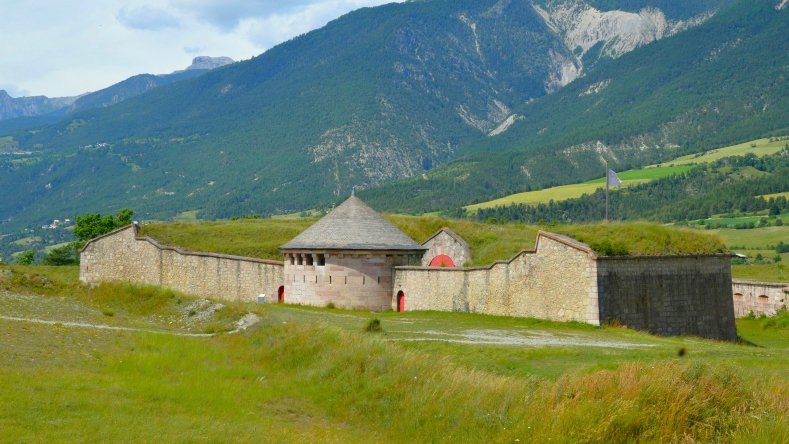
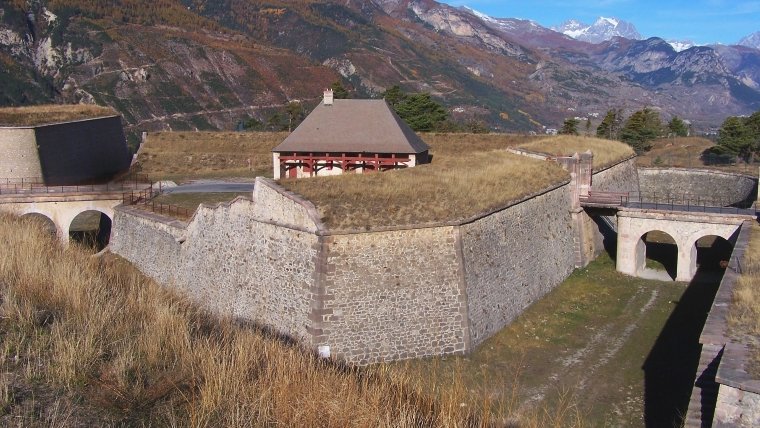
The fortifications of Mont-Dauphin are the crown jewel of the village. Designed by Vauban, they are a masterpiece of military architecture. The star-shaped fort includes bastions, ramparts, and a dry moat, all strategically planned to make it difficult for invaders to breach the walls.
A walk around the fortifications offers not only a journey through history but also stunning views of the surrounding Alps. On a clear day, you can see the snow-capped peaks in the distance, as well as the Durance River winding its way through the valley below. The Powder Magazine and Granary are two of the most well-preserved sections, giving insight into the fortress’s role in storing supplies for soldiers stationed here.
Off-the-Beaten-Path Recommendations
If you’re looking to venture beyond the typical tour of the fort, Mont-Dauphin has plenty of hidden gems. Take a stroll through the Orchard of Mont-Dauphin, an idyllic spot where fruit trees have been growing since the fortress was built. It’s a peaceful escape from the more rugged sections of the village and a great place to relax with a picnic.
Another off-the-radar activity is hiking the nearby Château-Queyras Trail, which leads to an even more remote fortification deeper into the Alps. The trail offers breathtaking views and takes you through unspoiled nature, perfect for those who want to immerse themselves in the alpine landscape.
The Vauban Legacy: More Than Just Mont-Dauphin
While Mont-Dauphin is a stunning example of Vauban’s work, he designed numerous fortresses across France. For history buffs, visiting other Vauban fortifications, like Briançon or Villefranche-de-Conflent, can offer a broader understanding of his military genius. Each site has its own unique features, but Mont-Dauphin stands out for its tranquil setting and untouched beauty.
Travel Tips and Practical Information:
- Getting There: Mont-Dauphin is best reached by car. It’s about a 2-hour drive from Grenoble or 3 hours from Marseille. If you’re coming by public transport, the nearest train station is Mont-Dauphin-Guillestre, from which you can take a local bus to the village.
- When to Visit: The village is open year-round, but the best time to visit is during the spring and summer months when the weather is mild, and the surrounding landscape is lush. In winter, the snow adds a magical touch, but access can be tricky due to the mountainous terrain.
- Where to Stay: While Mont-Dauphin itself is tiny, nearby towns like Guillestre and Eygliers offer charming accommodations, ranging from cozy inns to boutique hotels.
- Guided Tours: If you’re a history enthusiast, consider booking a guided tour to learn more about the fortress’s military design and history.
Nearby Points of Interest & Landmarks:
- Queyras Regional Nature Park: Just a short drive from Mont-Dauphin, this park offers hiking trails, alpine meadows, and more.
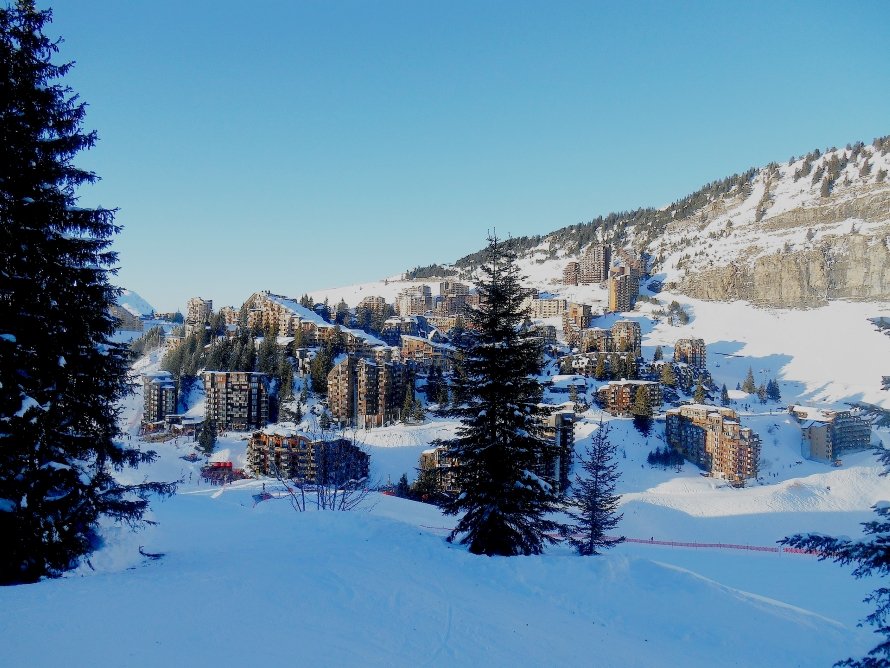
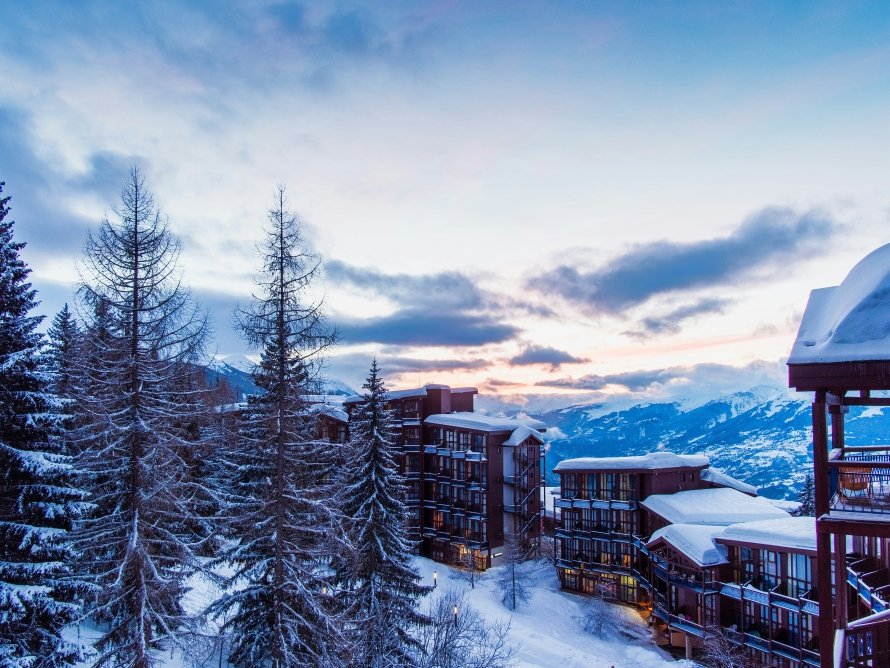
- Vars and Risoul Ski Resorts: If you’re visiting in winter, these nearby ski resorts offer excellent slopes for both beginners and advanced skiers.
- Fort de Mont-Louis: Another Vauban-designed fort, this one located in the Pyrenees, makes for an interesting comparison to Mont-Dauphin.
Final Thoughts:
Mont-Dauphin is a hidden treasure for travelers who appreciate history, architecture, and nature. Its remote location, coupled with its incredible preservation, makes it feel like a step back in time. Whether you’re hiking the nearby trails or simply soaking in the village’s serene atmosphere, Mont-Dauphin is a place that will stay with you long after you’ve left. So, if you’re looking for a French destination that’s off the beaten path but rich in culture, this fortified village in the Alps should be on your list!
[put_wpgm id=88]