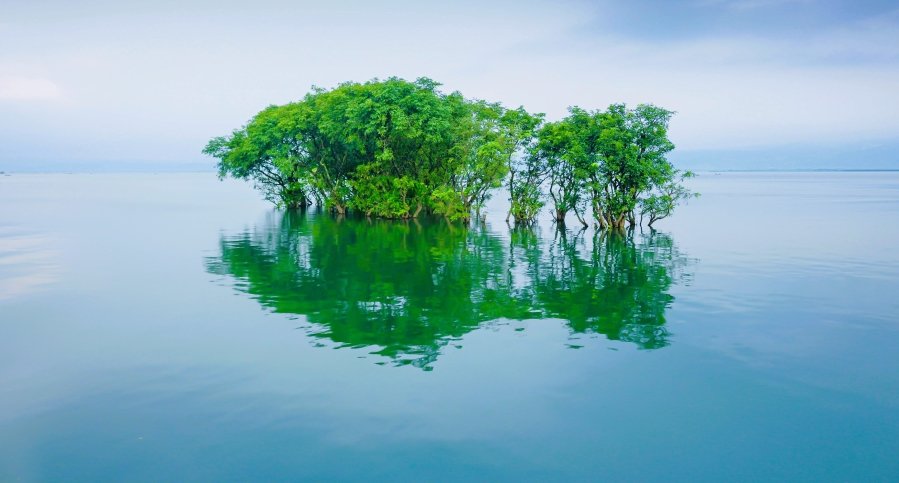
Ever heard of a place where humans and nature live in perfect harmony? Sounds like a dream, right? Well, that’s exactly what biosphere reserves are! These areas, scattered across the globe, are designed to balance conservation with sustainable living. They’re like Mother Nature’s VIP zones—places where biodiversity thrives, ecosystems are preserved, and people learn how to coexist with the environment in a way that benefits everyone.
In a world where the environment is constantly under threat, biosphere reserves offer a glimmer of hope. They’re more than just pretty landscapes—they’re real-life laboratories for sustainable living. From dense forests to coral reefs, biosphere reserves represent some of the most diverse ecosystems on Earth. But what exactly are they? And why should you care? Let’s dive into the world of biosphere reserves and see what makes them so special.
The concept of biosphere reserves was first introduced by UNESCO in the 1970s as part of the Man and the Biosphere (MAB) Programme. The goal was to create areas where nature and humans could coexist in a way that supports conservation, research, and sustainable development. These reserves are not just about preserving wildlife; they’re about finding ways for local communities to benefit from the environment without harming it.
Today, there are over 700 biosphere reserves in more than 130 countries. Each reserve is divided into three zones: the core zone (a strictly protected area for wildlife), the buffer zone (where limited human activity is allowed), and the transition zone (where sustainable living practices are encouraged). It’s like having different layers of protection, where the most fragile ecosystems are at the center, and human activities become more integrated as you move outward.
Biosphere reserves are important not only for protecting biodiversity but also for understanding how humans can live sustainably within nature. They’re hubs for scientific research, education, and tourism, showcasing how we can work with nature rather than against it.
What Are Biosphere Reserves?
Simply put, biosphere reserves are areas where nature and humans can live side by side in harmony. Unlike national parks or wildlife sanctuaries, where human activity is often restricted, biosphere reserves encourage sustainable practices. These reserves focus on three main objectives: conservation, development, and logistical support (for research and education).
A biosphere reserve has three zones. The core area is like the “do not disturb” sign for nature—this is where animals and plants can thrive without human interference. Next, the buffer zone acts as a cushion, allowing limited activities like research, education, and eco-tourism. Finally, the transition zone is where humans live, work, and play but in a way that supports the environment through sustainable practices.
What Are the Benefits of Biosphere Reserves?
Biosphere reserves offer countless benefits, both for nature and for people. Here’s a breakdown of what makes them so valuable:
- Biodiversity Protection: One of the biggest advantages of biosphere reserves is that they help protect ecosystems and endangered species. By maintaining the natural habitats in the core zones, these reserves ensure that species can thrive without facing threats from human activity.
- Sustainable Development: Biosphere reserves aren’t just about nature—they’re about people too! They promote sustainable development by encouraging practices like organic farming, responsible tourism, and renewable energy. These practices benefit local communities by providing economic opportunities while protecting the environment.
- Educational Opportunities: Many biosphere reserves serve as “living laboratories” for researchers, students, and tourists to learn about conservation, climate change, and sustainable living. They help educate the public on the importance of protecting our planet, making them invaluable in raising awareness about environmental issues.
- Cultural Preservation: Biosphere reserves often overlap with areas of cultural importance. By preserving these landscapes, we also protect the traditional knowledge and lifestyles of indigenous communities, blending cultural heritage with environmental conservation.
- Climate Change Mitigation: Healthy ecosystems play a vital role in regulating the planet’s climate. Forests act as carbon sinks, wetlands store excess water, and coastal ecosystems protect against storms and rising sea levels. By maintaining these ecosystems, biosphere reserves contribute to mitigating the effects of climate change.
- Tourism and Eco-friendly Jobs: Biosphere reserves often become tourist hotspots. From nature lovers to adventure seekers, people flock to these areas to experience the beauty of untouched landscapes. Eco-tourism, in turn, creates jobs for local communities, fueling the economy without compromising the environment.
Biosphere Reserve Hotspots:
Here’s a quick list of some of the most famous biosphere reserves around the world:
- Yellowstone National Park (USA)
- Sundarbans (India & Bangladesh)
- Galápagos Islands (Ecuador)
- Serengeti-Ngorongoro (Tanzania)
- Amazon Rainforest (Brazil, Colombia, Peru)
- Arctic Biosphere Reserve (Norway, Sweden, Finland)
- Great Barrier Reef (Australia)
- Kruger to Canyons (South Africa)
- Yasuni Biosphere Reserve (Ecuador)
- Mont Saint-Hilaire (Canada)
Final Thoughts:
Biosphere reserves are the future of conservation. They provide a model for how we can live in harmony with nature while still enjoying the benefits of modern life. From protecting endangered species to offering sustainable livelihood opportunities, these reserves are shining examples of what we can achieve when we put the planet first.
So, next time you’re looking for an eco-friendly travel destination or a unique educational experience, consider visiting one of the world’s biosphere reserves. After all, they’re not just saving the planet—they’re also enriching our lives!