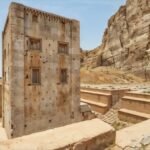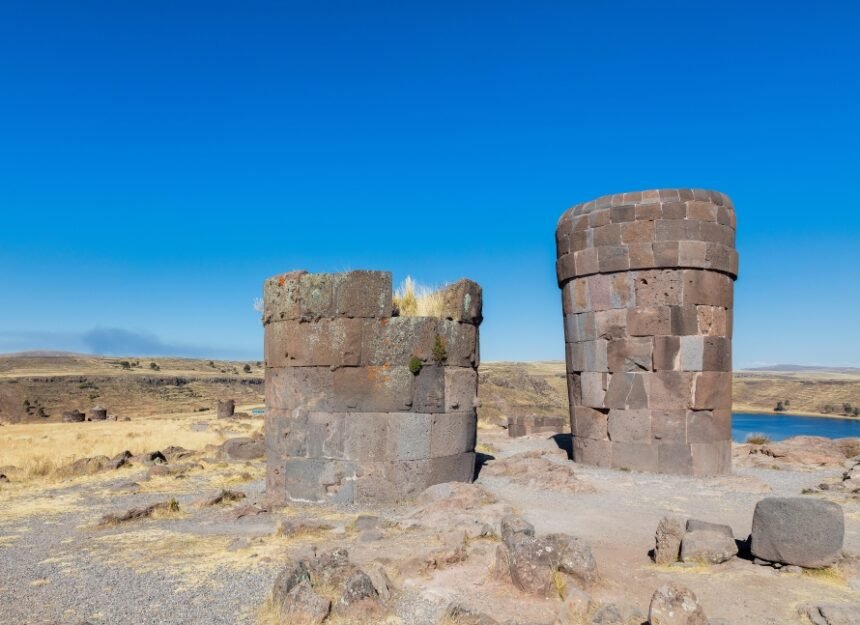
Scattered across the windswept landscapes of Peru, the Chullpa towers stand as enduring reminders of ancient cultures and their unique approach to honoring the dead. These towering stone tombs, most famously seen at Sillustani, offer visitors a glimpse into the spiritual and architectural ingenuity of the pre-Columbian Andes.
With their cylindrical shapes, intricate masonry, and stunning lakefront settings, the Chullpa towers are as fascinating as they are mysterious. Whether you’re a history buff, an architecture lover, or simply someone drawn to Peru’s captivating landscapes, exploring these ancient tombs is an experience you won’t forget.
The Chullpa towers are funerary structures built by various pre-Columbian cultures in the Andean highlands, including the Colla, Aymara, and later, the Inca Empire. These structures were designed to house the remains of elite individuals, often along with offerings and personal belongings to accompany them into the afterlife.
Sillustani, located near Lake Umayo in the Puno region, is one of the most famous sites featuring Chullpas. The Colla people, who predated the Incas, constructed many of the towers here. The Incas later adopted and enhanced the Chullpa-building tradition, showcasing their advanced masonry skills and cultural reverence for the dead.
The towers are not just architectural feats but also symbolic representations of life, death, and the connection between the earthly and spiritual realms.
Main Attraction: The Tombs at Sillustani
- Architecture
- The Chullpas are cylindrical structures, often tapering slightly toward the top.
- Built with precision-cut stone blocks, the craftsmanship reflects the ingenuity of the Colla and Inca cultures.
- Some towers feature intricate carvings of animals, symbols, and patterns, thought to represent spiritual or cultural beliefs.
- Spiritual Significance
- The towers were constructed to honor high-ranking individuals, symbolizing their elevated status even in death.
- Many Chullpas are oriented toward the rising sun, emphasizing the importance of solar worship in Andean cosmology.
- Surroundings
- The serene backdrop of Lake Umayo enhances the spiritual aura of Sillustani. Visitors often describe a profound sense of connection to the past while standing among these ancient tombs.
Interesting Facts / Key Points / Events
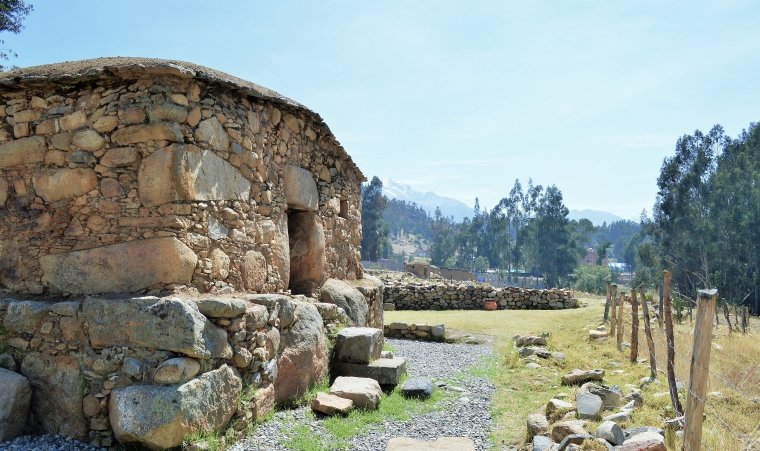
- Not Just Burial Sites: Some researchers believe Chullpas were also used for rituals, as the tombs often contain evidence of offerings like ceramics, jewelry, and food.
- Unique Masonry: The Incas refined the Chullpa design, using their signature ashlar masonry (cut stone blocks without mortar) to create smoother and more durable towers.
- Prevalence: While Sillustani is the most famous site, Chullpas can be found across Peru and Bolivia, showcasing their widespread cultural significance.
- Connection to Ancestor Worship: The tombs likely reflect the Andean belief in ayllu, or the veneration of ancestors as guardians of their descendants.
- Mystical Alignment: Many Chullpas are strategically positioned to align with celestial events, such as solstices and equinoxes, highlighting the builders’ astronomical knowledge.
Travel Tips and Practical Information
Best Time to Visit
- April to November: The dry season offers clear skies and ideal conditions for exploring.
Getting There
- From Puno: Sillustani is about 40 kilometers (25 miles) from Puno, a 45-minute drive by car or taxi. Guided tours are widely available.
- By Air: The nearest airport is in Juliaca, approximately 50 kilometers away.
What to Bring
- Comfortable walking shoes for uneven terrain.
- Warm clothing, as temperatures can drop significantly, especially in the late afternoon.
- A camera to capture the striking contrast between the towers and the surrounding landscapes.
Entry Fees
- Approximately 10 Peruvian soles (around USD 3) per person for entrance to Sillustani. Guided tours may have additional costs.
Nearby Points of Interest & Landmarks
- Lake Titicaca: Just a short drive from Sillustani, this iconic lake offers boat tours to the floating Uros Islands and Taquile Island.
- Puno City: Explore this cultural hub known for its vibrant festivals and traditional music.
- Cutimbo: Another lesser-known site featuring Chullpas, located south of Puno.
- Juliaca Market: A bustling spot to experience local flavors and pick up handcrafted souvenirs.
- Amantaní Island: A tranquil escape offering homestays and stunning views of Lake Titicaca.
Recap
The Chullpa towers of Peru, especially those at Sillustani, offer a fascinating glimpse into the spiritual and architectural legacy of ancient Andean cultures. Their cylindrical designs, symbolic carvings, and breathtaking locations make them more than just historical landmarks—they’re windows into a world where life and death were deeply intertwined.
Whether you’re captivated by the mystery of their purpose, awed by the surrounding natural beauty, or intrigued by their cultural significance, a visit to the Chullpas is an unforgettable journey back in time. So, pack your sense of adventure and head to Sillustani to experience one of Peru’s most unique and awe-inspiring archaeological treasures! / photo credit.