Introduction
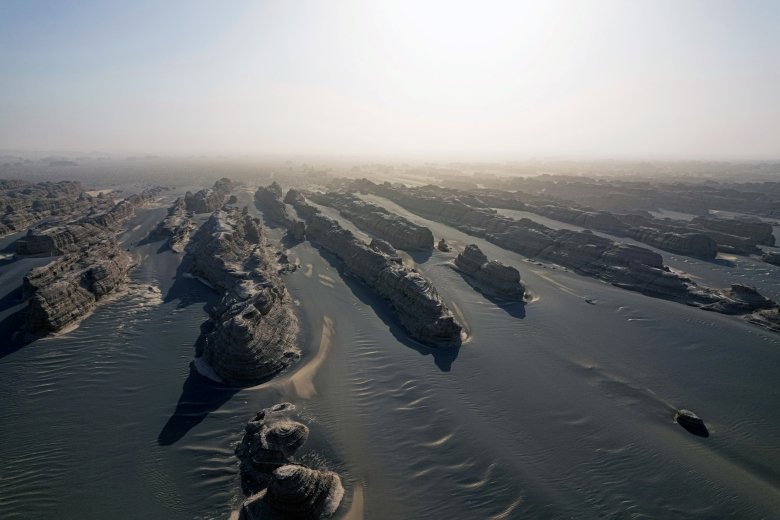
Dunhuang Yadan National Geopark, located in the vast Gobi Desert in China, is a geological wonderland of dramatic rock formations that seem almost otherworldly. Known for its unique “yardang” landforms—wind-sculpted ridges and towers—this park is a must-visit for nature lovers, photographers, and geology enthusiasts. Its landscapes, shaped by millennia of natural forces, create a surreal atmosphere that feels like stepping onto another planet. If you’re planning a trip to the Gobi Desert, Dunhuang Yadan Geopark should be on your itinerary.
- Introduction
- Brief Overview of the Dunhuang Yadan National Geopark
- Natural Features
- History of the Dunhuang Yadan National Geopark
- Main Attractions of the Dunhuang Yadan National Geopark
- Activities and Recreation at Dunhuang Yadan National Geopark
- Visitor Information
- Conservation Efforts
- Nearby Attractions
- Practical Tips
- Conclusion
Brief Overview of the Dunhuang Yadan National Geopark
- Location and Size: Dunhuang Yadan National Geopark is located approximately 180 kilometers northwest of the ancient city of Dunhuang in Gansu Province, China. It covers an area of around 398 square kilometers, offering vast desert expanses to explore.
- Year Established: The park was officially designated a national geopark in 2001 to protect its unique landforms and promote eco-tourism.
- Significance: The park’s importance lies in its distinctive yardang formations—geological structures carved by wind erosion. The park is also culturally significant due to its proximity to the ancient Silk Road and the famous Dunhuang Caves (Mogao Grottoes), making it a historical and ecological gem.
Natural Features
- Landscape and Geology: The park’s defining feature is its dramatic yardang landscape. Yardangs are formed when wind erodes soft sedimentary rock, leaving behind sharp ridges and strange, isolated shapes. The formations in Dunhuang Yadan Geopark resemble castles, animals, and other abstract shapes, adding to its mysterious allure.
- Flora and Fauna: Due to the park’s harsh desert environment, vegetation is sparse. However, you may spot desert shrubs and hardy plants adapted to survive in extreme conditions. Wildlife includes desert animals like lizards, rodents, and various bird species.
- Notable Ecosystems: The park’s desert ecosystem is shaped by extreme weather conditions, with hot summers and cold winters. While plant and animal life are limited, the area’s geological diversity creates a habitat for specialized species adapted to arid environments.
History of the Dunhuang Yadan National Geopark
- Indigenous Peoples’ Connection to the Land: While the area is remote, it was once part of the Silk Road, an important trade route connecting East and West. Local nomadic peoples have traversed these lands for centuries, using natural landmarks to guide their journeys.
- Discovery and Exploration: The distinctive yardang formations caught the attention of explorers and geologists in the 20th century. The region’s unique geology drew interest from scientists and travelers alike.
- Establishment as a National Park: Dunhuang Yadan Geopark was officially recognized for its scientific and tourism value in 2001. Its status as a national geopark highlights the importance of preserving the natural formations while promoting sustainable tourism.
Main Attractions of the Dunhuang Yadan National Geopark
- Key Landmarks:
- Yardang Ghost City: One of the park’s most famous spots, the Yardang Ghost City is a section filled with rock formations that resemble ancient ruins. The wind here howls eerily, enhancing its “ghostly” reputation.
- Camel Formation: This iconic yardang structure looks uncannily like a resting camel, one of many naturally sculpted shapes found in the park.
- Ancient Silk Road Landmarks: Close to the park, you can find remnants of the ancient Silk Road, adding a historical layer to your visit.
- Popular Hiking Trails: While there are no extensive hiking trails, guided tours through the park provide opportunities to explore the unique formations up close. Walking among these geological wonders is one of the park’s most thrilling experiences.
- Scenic Drives: The park has several driving routes that allow you to view the formations from different angles. Don’t miss the sunset views, which turn the landscape a striking red and gold.
Activities and Recreation at Dunhuang Yadan National Geopark
- Hiking and Backpacking: Although the park doesn’t offer traditional hiking trails, you can explore the yardangs on guided tours. Walking through the surreal landscapes is a once-in-a-lifetime experience.
- Wildlife Viewing and Birdwatching: While the park isn’t known for abundant wildlife, birdwatchers may spot desert birds such as the black-billed magpie and other hardy species.
- Photography: This park is a photographer’s dream, especially during the golden hours of sunrise and sunset when the light creates stunning contrasts on the rock formations.
Visitor Information
- Best Times to Visit: The best time to visit is during the spring (April to June) and autumn (September to November), when temperatures are more moderate. Summers can be extremely hot, and winters are cold and windy.
- Entrance Fees and Passes: The park requires an entrance fee, which covers guided tours. It’s advisable to book in advance, especially during peak seasons.
- Accommodations: There are no accommodations within the park itself, but nearby Dunhuang offers a range of options from budget guesthouses to luxury hotels.
- Visitor Centers and Educational Programs: The park has a visitor center where you can learn about the geological history of the area and the significance of the yardang formations.
Conservation Efforts
- Current Environmental Challenges: The main challenge the park faces is erosion and the impact of tourism. The delicate yardang formations can be damaged by excessive foot traffic.
- Ongoing Preservation Projects: The park’s management is focused on minimizing the environmental impact of visitors by encouraging guided tours and limiting off-trail exploration.
- How Visitors Can Contribute: Visitors are encouraged to follow the park’s guidelines, stick to designated areas, and avoid littering to help preserve the fragile environment.
Nearby Attractions
- Mogao Caves: These ancient Buddhist grottoes, filled with beautiful murals and statues, are located just outside Dunhuang and are a UNESCO World Heritage site.
- Crescent Lake and Mingsha Sand Dunes: A stunning natural oasis surrounded by towering sand dunes, this is another must-see destination near Dunhuang.
- Dunhuang City: A historical city known for its Silk Road history and vibrant markets, it’s a great base for exploring the region.
Practical Tips
- Getting There: The nearest airport is Dunhuang Airport, with regular flights from major cities like Beijing and Xi’an. From Dunhuang, the park is a 2-3 hour drive, and guided tours can be arranged.
- Safety Precautions: The desert environment can be harsh, so bring plenty of water, sunscreen, and a hat. Be mindful of strong winds, and dress in layers to adapt to changing temperatures.
- What to Pack: Comfortable walking shoes, sun protection, water, and a camera are essential. Don’t forget a light jacket for cooler evenings.
Conclusion
Dunhuang Yadan National Geopark is a place of raw beauty and geological wonder, offering visitors a chance to explore one of China’s most unique landscapes. Its strange, wind-sculpted formations and fascinating history make it a destination like no other. Whether you’re an adventurer, a photographer, or simply someone who loves exploring off-the-beaten-path locations, this park deserves a spot on your travel bucket list. So pack your bags and get ready to be amazed!