Introduction: Journey to the Heart of the Wild West
Fort Laramie, nestled in the plains of eastern Wyoming, is one of the most significant historical sites in the United States. Once a key trading post and military fort along the Oregon Trail, Fort Laramie is a window into the era of westward expansion and Native American history. This fort witnessed everything from bustling fur trade to intense military negotiations, as well as famous treaties that shaped the American West. Today, Fort Laramie National Historic Site preserves the fort’s history and invites visitors to step back in time and explore its fascinating past. Join us on a journey to discover what makes Fort Laramie a true American treasure.
- Introduction: Journey to the Heart of the Wild West
- History: From Trading Post to Military Stronghold
- Interesting Facts About Fort Laramie
- Activities at Fort Laramie
- Off-the-Beaten-Path Recommendations
- Travel Tips and Practical Information
- Nearby Points of Interest & Landmarks
- Getting There: Directions to Fort Laramie
- Final Thoughts: Why Fort Laramie is a Must-Visit
History: From Trading Post to Military Stronghold
Fort Laramie was originally established in the 1830s as a trading post along the Laramie River, where fur traders and trappers exchanged goods with Native American tribes. By the 1840s, it had become a key stop on the Oregon, California, and Mormon Trails, providing rest and supplies for settlers heading west. The U.S. Army took control of Fort Laramie in 1849, transforming it into a military post to protect travelers and later to negotiate with Native American tribes.
In 1851, Fort Laramie became the site of the historic Fort Laramie Treaty, an agreement between the U.S. government and Native American tribes that set boundaries and promised protection for settlers. However, as tensions rose and westward expansion continued, conflicts escalated, leading to the signing of a second Fort Laramie Treaty in 1868. This treaty established the Great Sioux Reservation, but ongoing disputes eventually led to more violence, including the Battle of Little Bighorn. The fort was abandoned by the military in 1890, but its rich history lives on through the preserved structures and artifacts on-site.
Interesting Facts About Fort Laramie
- The First Treaty: The first Fort Laramie Treaty of 1851 was one of the first attempts by the U.S. government to establish peace with Native American tribes, setting boundaries for tribal lands and the routes for settlers.
- A Major Military Post: Fort Laramie became the U.S. Army’s most important outpost in the region, offering protection for settlers and serving as a base for military campaigns against hostile forces.
- The Oregon Trail: Fort Laramie was a vital stop for over 350,000 pioneers traveling west, where they could rest, resupply, and repair their wagons.
- Home of “Old Bedlam”: Fort Laramie’s Old Bedlam building is the oldest standing military structure in Wyoming, built in 1849, and housed officers’ quarters.
- Historic Abandonment: The fort was abandoned by the military in 1890 as its strategic importance dwindled, but in 1938 it was preserved as a National Historic Site.
Activities at Fort Laramie
- Guided Tours: The Fort Laramie Visitor Center offers guided tours led by park rangers who provide fascinating insights into the history and architecture of the fort. These tours cover the fort’s unique structures, including Old Bedlam, the Captain’s Quarters, and the restored barracks.
- Living History Demonstrations: During the summer, Fort Laramie hosts living history events where reenactors portray life at the fort, from soldiers and fur traders to settlers and Native Americans. Watch musket firing demonstrations, blacksmithing, and other historical reenactments.
- Self-Guided Walks: Wander through the grounds and explore the buildings at your own pace. Interpretive signs provide historical context, making it easy to understand the fort’s role in America’s westward expansion.
- Picnicking and Photography: Fort Laramie offers plenty of beautiful picnic spots with views of the surrounding prairies and river. It’s a great spot for capturing scenic photos, especially during golden hour.
- Birdwatching: The Laramie River area attracts a variety of bird species, making Fort Laramie a peaceful place for birdwatching. Bring your binoculars and see how many species you can spot.
Off-the-Beaten-Path Recommendations
- Explore the Pioneer Cemetery: A lesser-known spot near the fort, the Pioneer Cemetery contains the graves of some early settlers and soldiers. It’s a solemn place that gives you a glimpse into the hardships faced by those who lived at Fort Laramie.
- Visit the Sutler’s Store: Step into the reconstructed Sutler’s Store, where soldiers and settlers bought everything from whiskey to household goods. It’s a unique spot to see how supplies were traded and sold during the fort’s heyday.
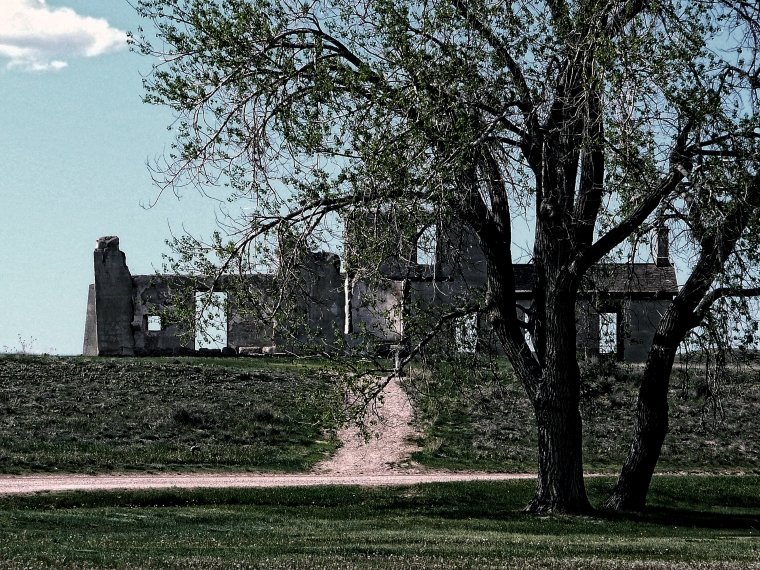
- Take a Riverside Walk: Wander along the Laramie River, where you can find quiet spots perfect for reflection and some of the best views of the fort from a distance.
- The Transcontinental Telegraph Line: Fort Laramie was a stop along the first transcontinental telegraph line, marking a major technological achievement. See if you can locate the historical marker commemorating this innovation.
Travel Tips and Practical Information
- Best Time to Visit: Late spring through early fall (May to October) is the best time to visit, with warm temperatures, living history events, and vibrant greenery. Summers can be hot, so bring water and sun protection.
- Visitor Center: Start at the Fort Laramie Visitor Center, where you can get maps, join a guided tour, and learn about the fort’s history through exhibits and displays.
- Entrance Fee: Admission to Fort Laramie National Historic Site is typically free, but donations are encouraged to support the preservation of the site.
- Accessibility: The main fort buildings and grounds are accessible, but some of the older structures and trails may be challenging for visitors with mobility issues.
- Local Accommodations: Fort Laramie has no on-site lodging, but you’ll find nearby hotels in the towns of Torrington and Guernsey. There are also camping options at Guernsey State Park for those wanting a nature-focused experience.
Nearby Points of Interest & Landmarks
- Guernsey State Park: About 20 miles away, Guernsey State Park offers hiking trails, boating, and the historic Guernsey Dam. It’s a perfect spot for a day trip after exploring Fort Laramie.
- Register Cliff: Just a short drive from Fort Laramie, this historic landmark contains the carved names of pioneers who passed through on the Oregon Trail.
- Oregon Trail Ruts: Located near Guernsey, these preserved ruts are a visual reminder of the thousands of wagons that made the difficult journey westward.
- Fort Fetterman: Another historic fort, Fort Fetterman is about 60 miles away and provides further insight into the military history of the American West.
- The National Historic Trails Interpretive Center: Located in Casper, Wyoming, this center offers interactive exhibits on the Oregon, Mormon, and California Trails, complementing what you’ll learn at Fort Laramie.
Getting There: Directions to Fort Laramie
- By Car: Fort Laramie is approximately 100 miles north of Cheyenne, Wyoming, and about 50 miles from Scottsbluff, Nebraska. From Cheyenne, take I-25 North to Exit 92, then follow WY-26 E.
- By Air: The closest major airports are in Denver, Colorado (around 3 hours away) and Casper, Wyoming (around 2 hours away).
- By Train: There are no direct train routes to Fort Laramie, but you can take a train to Cheyenne and then drive.
- By Bus: Some Greyhound bus routes stop in Cheyenne, and from there, you can rent a car or arrange a ride to Fort Laramie.
- Biking & Hiking: If you’re an adventurous traveler, Fort Laramie’s location along the historic Oregon Trail makes it accessible for biking or hiking enthusiasts interested in reliving the pioneer experience.
Final Thoughts: Why Fort Laramie is a Must-Visit
Fort Laramie is more than just a historic site; it’s a time capsule that immerses visitors in the story of America’s frontier. With its preserved buildings, rich history, and beautiful surroundings, Fort Laramie is a destination that speaks to travelers of all ages. Walking through the grounds, you get a sense of the hardships, triumphs, and dreams of the people who passed through or called this fort home. Whether you’re a history buff, an outdoor lover, or just looking for a unique experience, Fort Laramie offers a captivating journey through the past that’s sure to leave you with unforgettable memories.