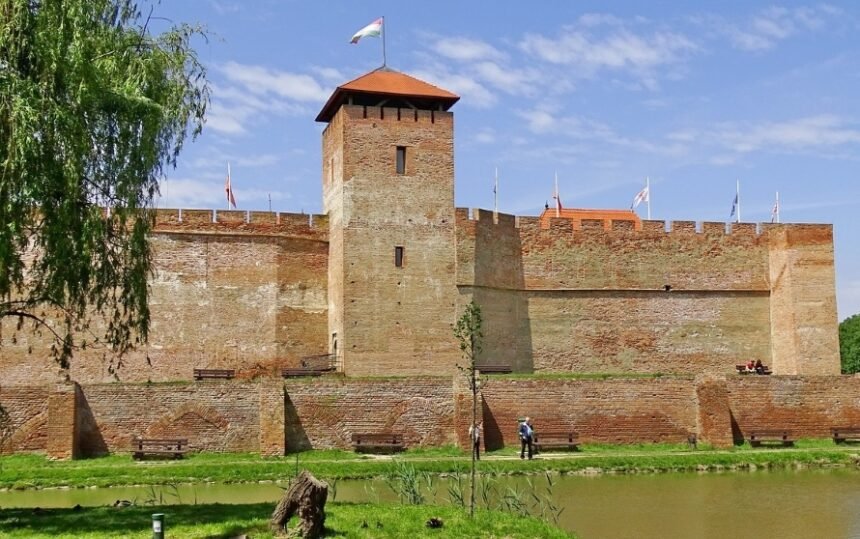
In the heart of Békés County lies Gyula Castle, a stunning example of medieval architecture and one of Hungary’s most treasured landmarks. Set amidst picturesque surroundings, this centuries-old fortress offers a fascinating glimpse into the country’s rich history and cultural heritage.
From its well-preserved structure to engaging exhibitions, Gyula Castle promises a memorable journey through time. Whether you’re a history enthusiast or simply seeking an inspiring day trip, this iconic destination delivers a unique blend of education and enchantment.
Dating back to the 15th century, Gyula Castle holds the distinction of being Central Europe’s only fully preserved brick castle from the Gothic era. Constructed under the patronage of Hungarian nobles, it once stood as a formidable defensive stronghold against Ottoman invasions.
Gyula’s strategic location near the southern borders of Hungary made it a critical military post. Over the centuries, the castle has witnessed countless battles, served various rulers, and evolved into a symbol of resilience. Today, it stands as a testament to Hungary’s tumultuous history, attracting visitors from around the world.
Description, Location, and Facilities
Perched near the town center of Gyula, the castle overlooks the serene Élővíz Canal, creating a postcard-perfect backdrop. Its imposing brick walls and towers form a nearly rectangular layout, complete with a central keep that offers panoramic views of the surrounding landscape.
Inside the castle, visitors can explore a museum that showcases artifacts, documents, and interactive displays detailing its storied past. Other facilities include:
- A theater hall for cultural events.
- Reconstructed medieval chambers that bring the past to life.
- A charming courtyard often used for seasonal festivals and markets.
Fortifications and Defenses
Gyula Castle was meticulously designed to withstand sieges. Its thick brick walls, fortified gatehouse, and moat made it a formidable barrier against invaders.
- The Keep: The central stronghold offered both refuge and a vantage point for spotting approaching threats.
- The Bastions: Reinforced towers at each corner enhanced the castle’s defensive capabilities.
- Moat: Although no longer filled with water, the surrounding moat added an extra layer of protection during its operational days.
In Operation
During the Ottoman era, Gyula Castle played a crucial role as a defensive post. In 1566, it was besieged and captured by Ottoman forces, marking the start of a century-long occupation. Despite the fall, the castle remained a significant military site until the end of Ottoman rule in Hungary.
By the 18th century, its military importance waned, and the castle transitioned into a historical monument. Restoration efforts in the 20th century ensured its preservation, allowing it to serve as both a museum and cultural venue today.
Myths and Popular Culture
Like many ancient castles, Gyula has its fair share of legends and folklore. Tales of secret tunnels and hidden treasures intrigue visitors, sparking curiosity about what lies beneath its sturdy brick walls.
The castle has also made appearances in Hungarian literature and media, symbolizing national pride and resilience. Its hauntingly beautiful ambiance has inspired countless artistic creations, further cementing its place in popular culture.
Travel Tips and Practical Information
- Hours: Gyula Castle is open year-round, though hours may vary by season.
- Tickets: Affordable admission options include guided tours and combined tickets with other local attractions.
- Accessibility: The castle is accessible by foot from the town center, with parking available nearby.
- Events: Don’t miss the Gyula Castle Days, a summer festival featuring medieval reenactments, concerts, and family-friendly activities.
Nearby Points of Interest & Landmarks
Gyula offers more than just its castle. Nearby attractions include:
- Gyula Thermal Bath and Spa: Perfect for relaxation after a day of exploring.
- Almásy Mansion: A beautifully restored noble residence with engaging exhibitions.
- Körös-Maros National Park: A haven for nature lovers and birdwatchers.
- Ladics House Museum: Dive into the everyday life of a 19th-century bourgeois family.
Final Thoughts
Gyula Castle is more than just an architectural marvel—it’s a gateway to Hungary’s rich history and cultural identity. Whether you’re marveling at its fortifications, immersing yourself in its stories, or enjoying the vibrant events held within its walls, the castle offers an unforgettable experience.
So, pack your bags, step back in time, and let Gyula Castle transport you to a bygone era of bravery, artistry, and enduring charm.