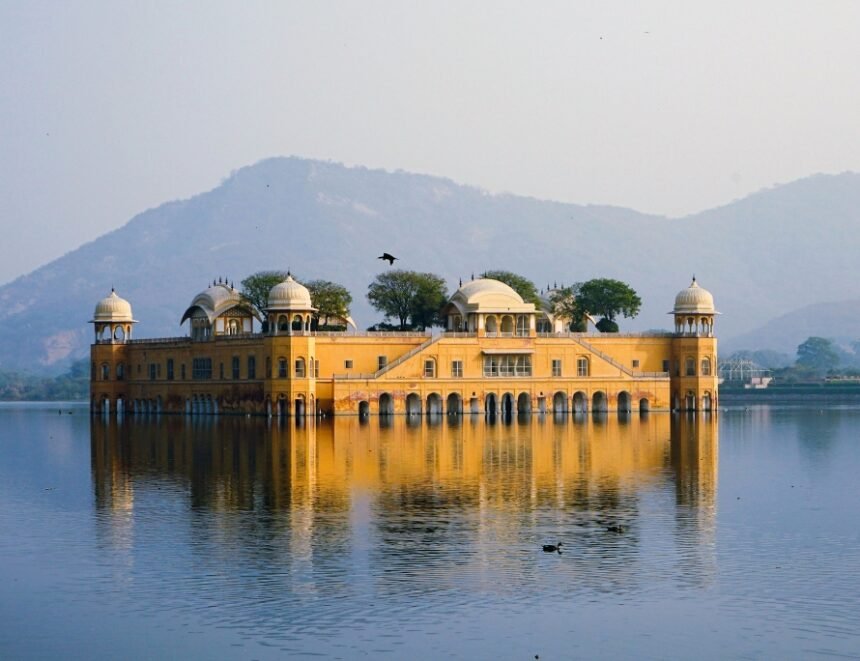
Picture this: a serene palace seemingly floating in the middle of a shimmering lake, surrounded by Jaipur’s rugged Aravalli hills. Welcome to Jal Mahal, the Water Palace, one of India’s most photogenic and mysterious architectural wonders.
- A Palace with a Purpose
- Exploring Jal Mahal’s Timeless Beauty
- Attractions: What Makes Jal Mahal Special
- Interesting Facts About Jal Mahal
- Activities: Making the Most of Your Visit
- Off-the-Beaten-Path Recommendations
- Travel Tips and Practical Information
- Nearby Points of Interest & Landmarks
- Final Thoughts: Why Jal Mahal Deserves Your Attention
Located on the tranquil waters of Man Sagar Lake, Jal Mahal is a feast for the eyes and a haven of serenity amidst Jaipur’s bustling cityscape. While it may appear like a mirage at first glance, Jal Mahal is a real architectural marvel with a history as rich as its reflection on the water. Whether you’re a history enthusiast, a photography buff, or a casual traveler, this hidden gem of Rajasthan is sure to leave you spellbound.
A Palace with a Purpose
Jal Mahal, translating to “Water Palace,” was built in the 18th century by Maharaja Madho Singh I as a retreat for royal duck-hunting parties. Nestled in Man Sagar Lake, the palace served as a serene getaway from the scorching Rajasthan heat and a venue for leisure and festivities.
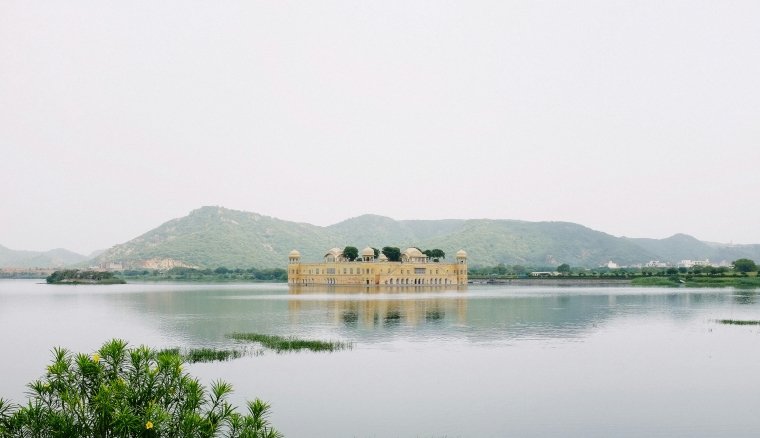
Man Sagar Lake itself was an artificial reservoir created in the 16th century to address water scarcity in the region. Over time, the palace became an iconic symbol of Jaipur’s architectural ingenuity, blending Rajput and Mughal styles. Despite its historical significance, the palace was abandoned for years before a major restoration project revitalized its charm. Today, while visitors cannot enter the palace, its beauty can be admired from the lakeshore and on boat rides.
Exploring Jal Mahal’s Timeless Beauty
Architectural Marvel
Jal Mahal is a five-story structure, but only the top floor is visible above the water, giving it the illusion of floating. The submerged floors are a testament to Rajput engineering, designed to withstand the pressure and weight of the lake.
The palace’s design is a harmonious blend of Mughal elegance and Rajput sturdiness. Intricate carvings, jharokhas (overhanging enclosed balconies), and chhatris (elevated dome-shaped pavilions) adorn the structure. The sand-colored walls contrast beautifully with the blue waters, while the terrace garden offers a glimpse of royal opulence.
Man Sagar Lake
Man Sagar Lake is a tranquil oasis, teeming with life. The lake is home to migratory birds such as flamingos and herons, adding to the area’s allure. Surrounded by the Aravalli hills, it offers breathtaking views, especially during sunrise and sunset when the palace glows like gold.
Cultural Significance
Jal Mahal is more than a picturesque monument; it represents Jaipur’s innovative spirit and love for art and architecture. It’s a symbol of the city’s royal past and a reminder of how nature and architecture can coexist beautifully.
Attractions: What Makes Jal Mahal Special
- Stunning Views: The palace looks surreal against the backdrop of the Aravalli hills, especially at dusk when it’s illuminated.
- Terrace Garden: Though not open to visitors, the Chameli Bagh on the terrace is a marvel in itself, once hosting royal gatherings.
- Birdwatching Haven: The lake attracts a variety of bird species, making it a paradise for nature enthusiasts.
- Photographer’s Dream: The reflections of the palace on the calm waters make for postcard-perfect pictures.
Interesting Facts About Jal Mahal
- A Submerged Wonder: Four out of the five stories remain underwater, designed to keep the palace cool during the scorching summers.
- Eco-Restoration Efforts: The lake underwent a massive cleanup in the early 2000s to restore its former glory.
- Uninhabited Palace: Despite its grandeur, Jal Mahal has never served as a permanent residence.
- Architectural Blending: The fusion of Rajput and Mughal styles is a testament to the region’s cultural amalgamation.
Activities: Making the Most of Your Visit
- Boat Rides: Although currently restricted, past boat rides offered close-up views of the palace. Stay updated for potential future availability.
- Nature Walks: Stroll along the lakeside promenade, taking in the views and vibrant local life.
- Photography: Capture stunning reflections of the palace, especially during sunrise or sunset.
- Shopping: Explore nearby handicraft markets for traditional Rajasthani souvenirs.
Off-the-Beaten-Path Recommendations
- Kanak Vrindavan Garden: A lesser-known gem nearby, this garden offers a peaceful escape with fountains, terraced lawns, and temples.
- Jaipur’s Local Flavors: Savor local delicacies like kachori, ghewar, and dal baati churma at street food stalls near the lake.
- Hidden Trails: Venture into the Aravalli hills for serene hiking trails with panoramic views of the lake and palace.
Travel Tips and Practical Information
- Best Time to Visit: Winter (October to March) offers pleasant weather and clear skies. Avoid monsoons, as the lake might overflow.
- Getting There: Jal Mahal is located on the Amer-Jaipur Road, approximately 4 km from Jaipur city center. Taxis and auto-rickshaws are easily available.
- Entry Fee: No entry is allowed inside the palace; however, viewing and photography from the lakeshore are free.
- What to Bring: A camera, sunscreen, comfortable walking shoes, and water bottles.
Nearby Points of Interest & Landmarks
- Amber Fort: A UNESCO World Heritage Site, this majestic fort is just 6 km away.
- Hawa Mahal: The iconic “Palace of Winds,” located in the heart of Jaipur.
- Jaigarh Fort: Known for its massive cannon, Jaigarh offers stunning views of the city.
- City Palace: A blend of Mughal and Rajasthani architecture, showcasing Jaipur’s royal history.
- Nahargarh Fort: A perfect spot for panoramic views of Jaipur, especially at sunset.
Final Thoughts: Why Jal Mahal Deserves Your Attention
Jal Mahal isn’t just a palace—it’s an experience that combines history, nature, and art in one magical setting. Its ethereal beauty and intriguing history make it a standout attraction in Jaipur’s rich tapestry of landmarks.
Whether you’re marveling at its architecture, enjoying the tranquility of Man Sagar Lake, or soaking in the vibrant culture of Rajasthan, Jal Mahal promises an unforgettable visit. So, the next time you’re in Jaipur, don’t miss the chance to witness this floating masterpiece in all its glory!