




On the southern tip of mainland Shetland lies Jarlshof, one of Scotland’s most intriguing archaeological sites. This prehistoric and Norse settlement offers an unparalleled glimpse into 4,000 years of human history. From the Stone Age to the Viking era and beyond, Jarlshof showcases layers of civilization in a single breathtaking location.
- From Storm to Discovery
- Jarlshof’s Historical Highlights
- Stone Age Beginnings
- Bronze and Iron Age Innovations
- The Pictish Era
- The Norse Period
- Medieval and Post-Medieval Layers
- Attractions: What to See at Jarlshof
- Interesting Facts About Jarlshof
- Activities: Immerse Yourself in Jarlshof
- Off-the-Beaten-Path Recommendations
- Travel Tips and Practical Information
- Nearby Points of Interest & Landmarks
- Final Thoughts: Why Jarlshof Deserves a Spot on Your Travel List
With its dramatic seaside setting and rich tapestry of ruins, Jarlshof is more than just a historical site; it’s a journey through time. Whether you’re a history buff, an archaeology enthusiast, or simply a curious traveler, Jarlshof is a must-visit gem of the Shetland Isles.
From Storm to Discovery
Jarlshof owes its discovery to an act of nature. In the late 19th century, a fierce storm eroded the coastline, revealing ancient ruins buried beneath the soil. Sir Walter Scott, inspired by tales of the site, immortalized it in his novel The Pirate, dubbing it “Jarlshof.”
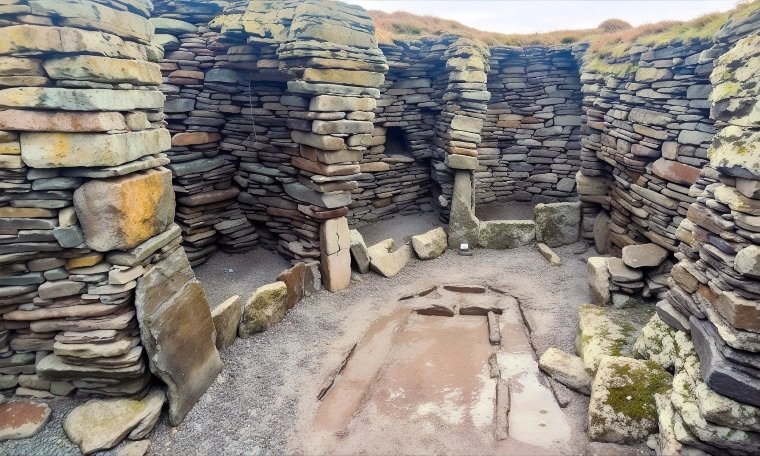
Archaeological excavations in the 20th century uncovered evidence of continuous habitation spanning thousands of years. This included Stone Age dwellings, Bronze Age structures, Iron Age brochs, Pictish buildings, and a Norse longhouse. Each layer of the settlement reveals a new chapter in Shetland’s history, making Jarlshof a unique site of immense cultural and historical importance.
Today, the settlement is protected by Historic Environment Scotland and draws visitors from around the globe eager to explore its storied past.
Jarlshof’s Historical Highlights
Stone Age Beginnings
The oldest remains at Jarlshof date back to around 2,500 BCE. These early Neolithic settlers built stone houses with central hearths and rudimentary tools. The dwellings provide a fascinating glimpse into the lives of Shetland’s first inhabitants, who depended on fishing and farming to survive.
Bronze and Iron Age Innovations
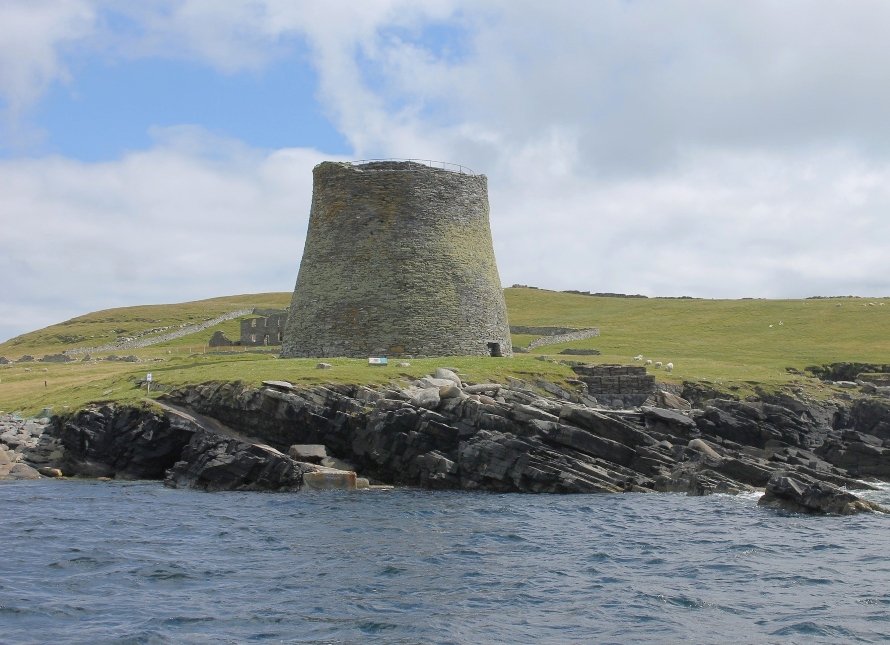
Fast forward to the Bronze Age, and Jarlshof becomes a hub of activity. Excavations uncovered circular houses with evidence of advanced metalworking—a sign of technological progress. By the Iron Age, the settlement was dominated by brochs (stone towers) and wheelhouses, which were likely used as defensive structures and community centers.
The Pictish Era
The Picts, Scotland’s enigmatic early medieval people, left their mark at Jarlshof with intricately carved stones and distinct architectural styles. Their presence adds another layer of intrigue to this already complex site.
The Norse Period
Perhaps the most iconic chapter in Jarlshof’s history is its Norse settlement, which flourished from the 9th to the 14th century. The Vikings brought their longhouses, hearths, and maritime culture, transforming the site into a thriving coastal community. Their influence remains evident in Shetland’s language, culture, and place names to this day.
Medieval and Post-Medieval Layers
By the medieval period, Jarlshof had transitioned into a laird’s estate, complete with a fortified manor house. This final phase of occupation bridges the gap between ancient and modern Shetland, providing a full spectrum of history in one location.
Attractions: What to See at Jarlshof
- Norse Longhouse: Walk through the ruins of a Viking longhouse and imagine life in a bustling Norse settlement.
- Stone Age Houses: Explore the earliest structures and marvel at the ingenuity of Neolithic builders.
- Iron Age Broch: Visit the remains of an ancient defensive tower that once stood tall against invaders.
- Pictish Carvings: Discover intricately carved stones that offer clues about Scotland’s mysterious early people.
- Laird’s House: Step into the remnants of a 16th-century fortified estate, the last chapter in Jarlshof’s long history.
Interesting Facts About Jarlshof
- 4,000 Years in One Place: Jarlshof is one of the few archaeological sites in the world with evidence of uninterrupted habitation from the Stone Age to the 17th century.
- Storm-Revealed Treasure: The site’s discovery was accidental, sparked by a storm that exposed the ruins in the late 1800s.
- Norse Name Legacy: The term “Jarlshof” was coined by Sir Walter Scott but loosely translates to “Earl’s House” in Old Norse.
- Cultural Fusion: Jarlshof showcases the merging of Norse and Pictish cultures, a defining aspect of Shetland’s history.
Activities: Immerse Yourself in Jarlshof
- Guided Tours: Learn from expert guides who bring the history of Jarlshof to life.
- Self-Guided Exploration: Wander at your own pace with interpretive panels offering detailed insights.
- Photography: Capture stunning shots of the ruins set against the dramatic Shetland coastline.
- Birdwatching: The surrounding cliffs are home to puffins, fulmars, and other seabirds.
Off-the-Beaten-Path Recommendations
- Quendale Mill: A short drive from Jarlshof, this restored 19th-century watermill offers a glimpse into Shetland’s rural past.
- Sumburgh Head Lighthouse: Just up the road, this lighthouse provides breathtaking views and a chance to spot seals and whales.
- Coastal Walks: Venture along the rugged coastline for stunning vistas and hidden coves.
[put_wpgm id=197]
Travel Tips and Practical Information
- Getting There: Jarlshof is located near Sumburgh Airport, about 25 miles from Lerwick, Shetland’s capital. Rental cars and buses are available.
- Opening Hours and Fees: The site is open year-round, with a small admission fee. Check Historic Environment Scotland’s website for seasonal hours.
- What to Bring: Wear sturdy footwear, dress in layers (Shetland weather is unpredictable!), and pack a raincoat.
- Accessibility: Some areas may be challenging for visitors with mobility issues due to uneven terrain.
Nearby Points of Interest & Landmarks
- Old Scatness Broch and Iron Age Village: Another archaeological gem showcasing life in ancient Shetland.
- Shetland Museum and Archives: Located in Lerwick, this museum provides deeper insights into Shetland’s history and culture.
- St. Ninian’s Isle: A stunning tombolo and archaeological site with links to Viking history.
- Mousa Broch: Visit one of the best-preserved Iron Age brochs in Scotland, accessible by ferry.
Final Thoughts: Why Jarlshof Deserves a Spot on Your Travel List
Jarlshof isn’t just a historical site; it’s a living storybook that brings Shetland’s rich past to life. With its layered history, dramatic setting, and well-preserved ruins, this archaeological treasure is a must-see for anyone visiting Scotland.
Whether you’re marveling at Stone Age ingenuity, tracing Viking footsteps, or soaking in the rugged coastal beauty, Jarlshof offers a journey you won’t soon forget. So pack your sense of adventure and let Shetland’s most iconic settlement take you on a trip through time!