




Imagine standing on a hilltop in Sicily, surrounded by panoramic views of rolling green landscapes that seem to stretch forever. At your feet lies an ancient masterpiece: the Greek Theater of Segesta. This remarkable site, with its stone seating and stunning natural backdrop, has been enchanting visitors for centuries. Located in Sicily’s northwestern region, Segesta’s Greek Theater is one of the island’s best-preserved ancient sites and offers a unique glimpse into the world of ancient Greek and Roman drama. Whether you’re a history buff, a theater lover, or simply a fan of breathtaking scenery, the Greek Theater of Segesta is a must-see when exploring Sicily. Let’s dive into the theater’s fascinating history, architecture, and why it remains a favorite among travelers today.
History
The Greek Theater of Segesta has roots stretching back over two thousand years. Built around the 3rd century BC by the ancient Elymians—a mysterious group thought to have predated the Greeks in Sicily—the theater reflects both Elymian and Hellenistic influences. Although it’s often referred to as a “Greek” theater, it was actually completed during a time when Rome was rising in power, which influenced its architectural style.
Interestingly, Segesta was in constant conflict with nearby Selinunte, another ancient city on the island, as they vied for dominance. This rivalry led the people of Segesta to ally with Athens, and later with Rome, for protection and support. The city eventually fell under Roman control, but the theater continued to thrive, hosting a range of performances. Today, it stands as a well-preserved testament to Sicily’s layered history and the island’s role as a cultural crossroads of the ancient Mediterranean.
Description of the Site
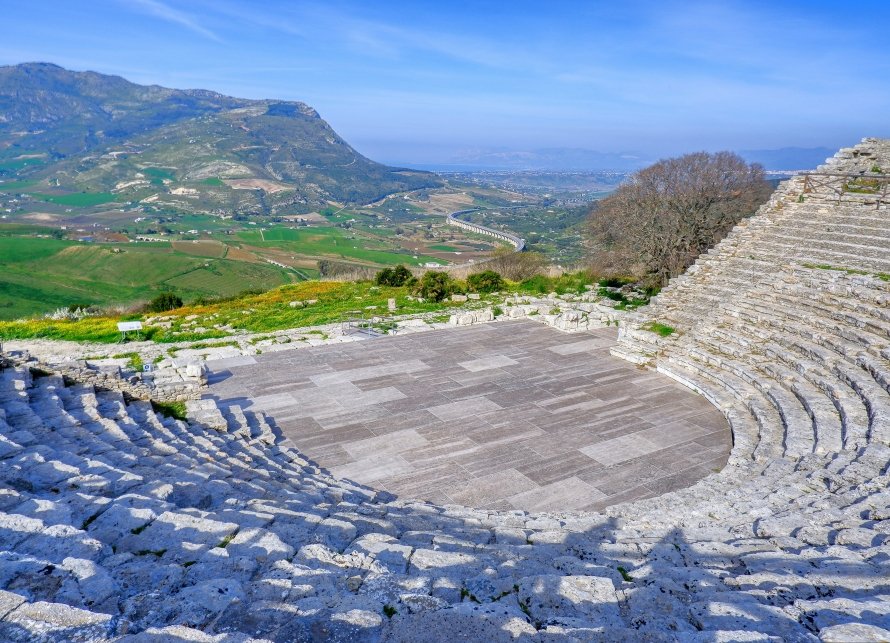
Perched on a scenic hill overlooking the Gulf of Castellammare, the Greek Theater of Segesta offers one of the most stunning landscapes in Sicily. The theater itself is made from white limestone and features a semi-circular arrangement of seating, known as the “cavea,” which could hold around 4,000 spectators. The cavea faces the stage, or “orchestra,” where actors once performed. What sets this theater apart, though, is the breathtaking backdrop—audiences enjoyed not only the performances but also uninterrupted views of the Sicilian countryside and sea.
The theater is compact yet elegant, with rows of seats that climb up the hillside in a gentle arc. The acoustics are still remarkably good, as the theater’s design was intended to amplify sound naturally. Though the stage structure has deteriorated over time, the stone seating remains well-preserved, giving visitors a tangible sense of the ancient ambiance.
Usage
While originally built for dramatic performances, the Greek Theater of Segesta saw a variety of uses over the centuries. During the ancient Greek and Roman eras, the theater hosted theatrical productions, musical performances, and public gatherings. Plays by famous Greek playwrights, such as Sophocles and Euripides, were likely staged here, with actors using the open-air setting to create an immersive experience.
The theater was also used for ceremonies and civic events, serving as a community hub for Segesta’s residents. Even today, the theater occasionally comes to life during the summer months with performances as part of Segesta’s annual cultural festivals. Watching a modern play in this ancient setting is like stepping back in time, allowing audiences to experience the magic of live performance just as the Greeks and Romans did.
Interesting Facts
- Stunning Views: The Greek Theater of Segesta offers views that are arguably as captivating as the theater itself, with a sweeping panorama of Sicily’s hills, valleys, and coastline.
- Acoustic Engineering: The theater’s natural acoustics were carefully designed to ensure that even spectators seated in the farthest rows could hear the actors’ lines clearly.
- Mix of Cultures: Although built by the Elymians, the theater incorporates Greek and Roman architectural influences, showing how ancient cultures blended in Sicily.
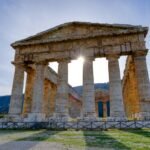
- A Mysterious Temple Nearby: Close to the theater, there is an unfinished Doric temple, another highlight of Segesta, which adds to the area’s enigmatic allure.
- Seasonal Performances: Modern performances, often held during the summer, allow visitors to experience the theater as ancient audiences once did, under the stars.
Activities
Exploring the Greek Theater of Segesta is an experience in itself, but there’s more to do in and around the area:
- Watch a Live Performance: Check for scheduled performances during the summer months and enjoy a play or concert in the theater, just as the ancient Greeks might have.
- Explore the Temple of Segesta: A short walk from the theater is the magnificent Doric temple, another must-see site with incredible photo opportunities.
- Hiking: The landscape around Segesta is ideal for hiking, with trails that lead through Sicily’s lush, scenic countryside.
- Photography: With its dramatic views and ancient architecture, the Greek Theater of Segesta is a photographer’s paradise.
- Picnic with a View: Bring some local Sicilian treats and enjoy a picnic with a view of the ancient ruins and surrounding countryside.
[put_wpgm id=176]
Getting There
Reaching the Greek Theater of Segesta is fairly straightforward, though it does require a bit of planning if you’re not based in Sicily. Here’s a quick guide on how to get there:
- By Car: From Palermo, take the A29 highway towards Trapani and exit at Segesta. The drive takes about an hour.
- By Train: You can take a train from Palermo to Segesta, but keep in mind that there’s a bit of a walk from the station to the archaeological site.
- By Bus: During peak tourist season, buses run from major Sicilian cities to Segesta.
- Guided Tours: Many tour operators offer day trips to Segesta from Palermo or Trapani, which often include transport and a guide.
Nearby Points of Interest & Landmarks
If you’re visiting the Greek Theater of Segesta, consider adding these nearby landmarks to your itinerary:
- Temple of Segesta: An impressive Doric temple, just a short walk from the theater, believed to date back to the 5th century BC.
- Trapani: A coastal city known for its salt pans, historic center, and fresh seafood, located about 30 minutes away by car.
- Erice: A medieval hilltop town offering panoramic views, winding streets, and ancient churches.
- Zingaro Nature Reserve: A beautiful natural park with hiking trails, beaches, and abundant wildlife.
- Castellammare del Golfo: A charming seaside town with a picturesque harbor and beautiful beaches, perfect for a day trip.
Final Thoughts
The Greek Theater of Segesta is more than just a relic from ancient times; it’s a place where history, culture, and natural beauty converge. Standing in the same spot where thousands of people once gathered to watch plays and listen to orators, you can’t help but feel a connection to the past. Whether you’re watching a modern performance, admiring the panoramic views, or simply soaking in the atmosphere, Segesta offers an unforgettable experience. With so much to see and do around the area, a trip to this historic theater is sure to be a highlight of your Sicilian adventure.