




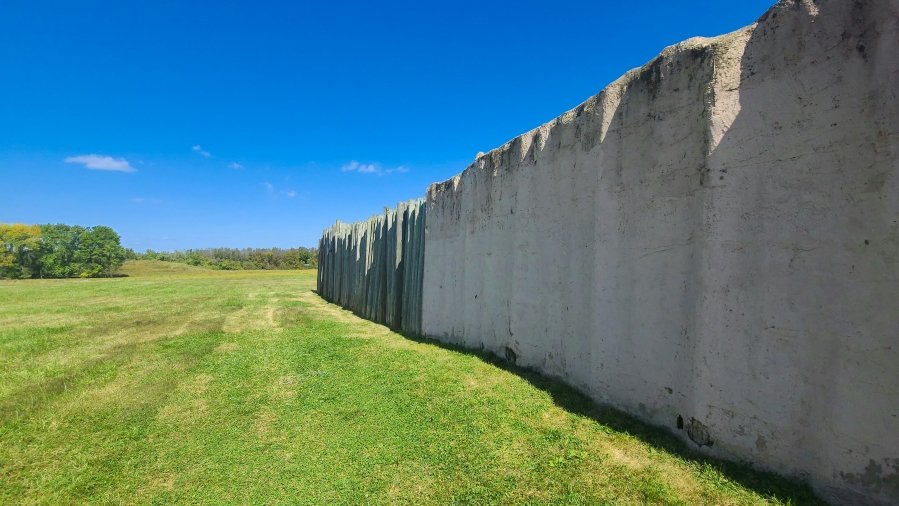
Cahokia Mounds is the largest and most complex archaeological site north of Mexico, once home to a sprawling city that thrived between 1050 and 1350 AD. At its peak, Cahokia was the center of Mississippian culture and the largest city in what is now the United States, with a population that may have exceeded 20,000 people. The site covers nearly 4,000 acres and includes around 80 mounds, though at its height, the city contained as many as 120.
The Mississippian people were known for their sophisticated social, political, and religious structures. They built large platform mounds for religious ceremonies, elite residences, and public events. The most famous of these is Monks Mound, a massive earthwork standing 100 feet tall. Cahokia was a major trade hub, connected to other cultures across the continent, from the Great Lakes to the Gulf of Mexico. Despite its prominence, the reasons behind Cahokia’s eventual decline remain a mystery, adding to its allure and intrigue.
Main Attraction: Monks Mound and Grand Plaza
The crown jewel of Cahokia is undoubtedly Monks Mound, the largest prehistoric earthen structure in the Americas. Standing at over 100 feet tall and covering 14 acres, it’s bigger at its base than the Great Pyramid of Giza! Climbing to the top of Monks Mound offers not only a workout but also an incredible view of the surrounding area, where you can imagine what the city looked like at its height. This massive structure served as a ceremonial and political center, likely housing the ruler of Cahokia and playing a central role in the city’s religious practices.
At the foot of Monks Mound lies the Grand Plaza, an open area where large public gatherings, games, and ceremonies took place. The sheer size of this plaza gives you a sense of the scale of Cahokia and its importance as a cultural and political center. Standing here, it’s easy to imagine thousands of people coming together for celebrations and rituals.
Off-the-Beaten-Path Recommendations:
While Monks Mound is the star of the show, there are other lesser-known but equally interesting spots scattered across Cahokia Mounds. One of these is Woodhenge, a reconstructed circular arrangement of large wooden posts believed to have been used as a solar calendar. The Mississippians used it to track the movements of the sun, and you can still witness solstice celebrations here today. It’s an eerie and beautiful spot, especially at sunrise or sunset when the posts cast long shadows across the landscape.
Another hidden gem is Mound 72, where archaeologists uncovered the remains of an elaborate burial site, including a leader buried on a bed of thousands of shell beads shaped like a falcon. The discovery sheds light on Cahokia’s complex social hierarchy and religious practices. It’s a quieter area of the site but offers fascinating insights into the culture and rituals of the Cahokian elite.
Activities: Exploring and Learning
One of the best ways to experience Cahokia Mounds is by simply wandering around the site and soaking in the history. Start with a visit to the Interpretive Center, which features exhibits that bring the Mississippian culture to life. You’ll find interactive displays, artifacts, and even a life-sized recreation of what the ancient city might have looked like. The center provides excellent context for the mounds you’ll see outside.
After the Interpretive Center, you can follow one of the self-guided trails around the site. The trails range from short, easy walks to more extended routes, and they’re marked with informational signs that explain the significance of each mound and area. If you’re a history buff or archaeology enthusiast, these trails are a must.
For those looking for a more hands-on experience, Cahokia Mounds offers special educational events and demonstrations throughout the year. These include ancient tool-making demonstrations, lectures on Mississippian culture, and guided tours with archaeologists who’ve studied the site. Keep an eye on their calendar if you’re planning a visit!
Travel Tips and Practical Information:
- How to Get There: Cahokia Mounds is located in Collinsville, Illinois, about 10 miles from downtown St. Louis, Missouri. It’s an easy day trip if you’re staying in the St. Louis area, and parking at the site is free.
- Best Time to Visit: Cahokia Mounds is open year-round, but spring and fall offer the best weather for exploring. If you visit in the summer, be prepared for heat and humidity, and bring plenty of water.
- What to Bring: Comfortable walking shoes are a must, as you’ll be doing a fair amount of exploring. Sunscreen, hats, and water are also recommended, especially if you plan to climb Monks Mound. A camera or smartphone is a great idea to capture the views from the top of the mounds.
- Duration: You can spend anywhere from a couple of hours to a full day at Cahokia Mounds, depending on how much you want to explore. Plan at least three to four hours if you want to see Monks Mound, the Interpretive Center, and a few of the more distant mounds.
Nearby Points of Interest & Landmarks:
- Gateway Arch, St. Louis: Just a short drive from Cahokia, the iconic Gateway Arch offers stunning views of the Mississippi River and St. Louis. It’s a great way to cap off a visit to the area.
- Lewis and Clark State Historic Site: Located near Hartford, Illinois, this site marks the point where the famous explorers launched their expedition to the Pacific.
- National Great Rivers Museum: Located in Alton, Illinois, this museum offers interactive exhibits about the Mississippi River and its importance in American history.
Final Thoughts:
Cahokia Mounds is a unique and awe-inspiring destination that offers a rare glimpse into the lives of ancient Native Americans. Whether you’re climbing Monks Mound, exploring Woodhenge, or learning about Mississippian culture at the Interpretive Center, this site is sure to leave a lasting impression. If you’re anywhere near St. Louis or southern Illinois, don’t miss the chance to step back in time and experience one of the greatest cities of ancient America!