





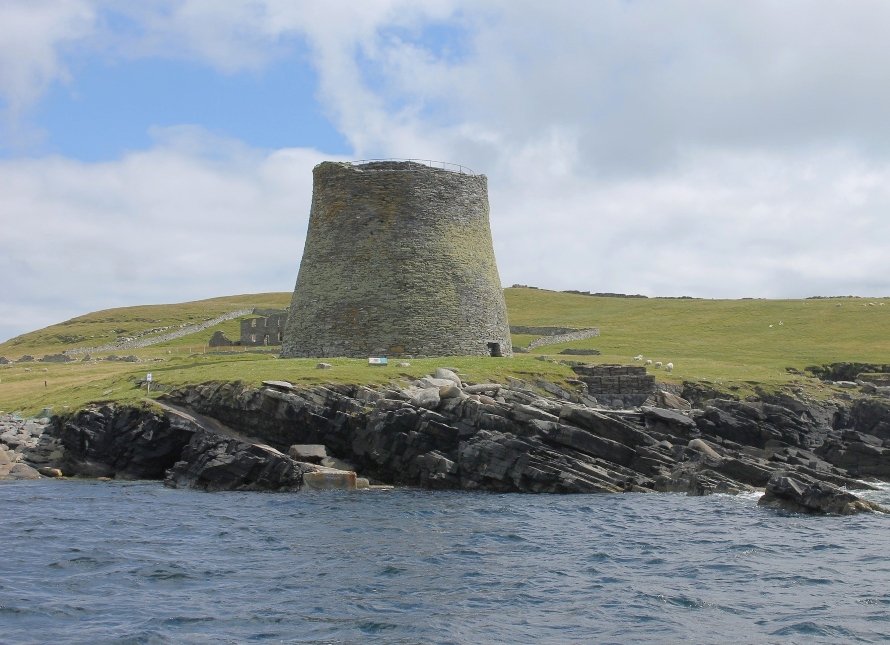
Located off the coast of Shetland, Scotland, the Broch of Mousa is a unique archaeological marvel that often flies under the radar. Despite being one of the most perfectly preserved brochs (ancient stone towers) in the world, the Broch of Mousa remains a bit of a hidden gem, even for those well-versed in Scotland’s rich history. Built around 2,000 years ago during the Iron Age, this towering structure has intrigued historians, archaeologists, and travelers alike. But what exactly is a broch? And why should you add this Shetland site to your bucket list?
Exploring the Broch of Mousa isn’t just about wandering through an ancient ruin—it’s about stepping back in time to an era of fortification, innovation, and survival. In this article, we’ll dig deep into the history of this fascinating site, unravel the mysteries of its construction, and uncover how it was used over centuries. Ready to take a journey through history? Let’s get started.
History of the Broch of Mousa
The Broch of Mousa dates back to the Iron Age, likely constructed around the 1st century BC. During this period, Scotland was a fragmented land, with small, scattered communities that frequently needed protection from rival groups. To defend themselves, some groups built brochs—fortified stone towers that combined both form and function. While there are over 500 brochs in Scotland, the Broch of Mousa stands out for its exceptional preservation and height, reaching an impressive 13 meters (42 feet).
Historians are still debating who built the broch and for what purpose exactly. Some argue it was a defensive structure, while others believe it served as a status symbol or a place of refuge. Over the years, the broch likely saw different uses, including possible habitation, storage, and as a gathering point for the local community. The fact that it still stands today, unscathed by the ravages of time, makes it a unique testament to the skills and ingenuity of ancient Scottish builders.
Description of the Site
The Broch of Mousa is located on the small, uninhabited island of Mousa, a short boat trip from the Shetland mainland. From a distance, the broch looks like a massive stone cylinder rising out of the landscape, a solitary giant watching over the surrounding sea. Its construction is equally impressive up close. Made from dry-stone (no mortar used!), its walls are over 5 meters thick at the base, tapering as they rise. Inside, the broch has an ingenious double-wall design that likely helped stabilize it and allowed for easy access to the upper levels via a narrow stairway between the walls.
Inside, you’ll find small chambers and galleries that might have served various purposes, such as storage or shelter. The broch’s upper levels once offered expansive views over the coast and countryside—an important vantage point for spotting approaching ships or potential threats. Standing within its walls today, you can almost imagine ancient Scots standing guard or gathering for a fire-lit feast.
Usage of the Broch of Mousa
The exact use of brochs like Mousa has been debated for years. Some historians believe the Broch of Mousa was a fortress, intended to protect inhabitants from invaders, while others think it could have been a grand house for a powerful family or clan. Given the thickness of its walls and its strategic location, it’s likely that it served multiple purposes over time.
In later years, the Broch of Mousa may have even become a site for gatherings, religious practices, or seasonal celebrations. Vikings are thought to have used the broch as a temporary hideout or shelter, adding another layer to its already rich history. Over centuries, it transitioned from a strategic refuge to a relic of ancient times, eventually drawing the attention of historians and tourists alike.
Interesting Facts About the Broch of Mousa
- Scotland’s Best-Preserved Broch: The Broch of Mousa is widely regarded as the best-preserved broch in Scotland, and perhaps the entire world.
- Built without Mortar: The dry-stone construction means that no binding materials (like mortar) were used to hold the stones together, a true feat of ancient engineering.
- Perfectly Intact Stairs: Inside the broch, a stairway between the walls leads all the way to the top—remarkably well-preserved considering its age.
- Rich in Birdlife: Today, the Broch of Mousa is a popular nesting site for seabirds, especially storm petrels, which nest within the crevices of the walls.
- Viking Legend: The broch is mentioned in Norse sagas, most notably the “Orkneyinga Saga,” where it’s described as a stronghold for star-crossed lovers.
Activities at the Broch of Mousa
- Guided Tours: Local guides offer insightful tours, sharing the broch’s history and explaining its significance.
- Birdwatching: Mousa Island is a haven for seabirds, including puffins, shags, and storm petrels. In summer, you can witness storm petrels returning to their nests around the broch at dusk.
- Photography: Whether you’re a professional photographer or an Instagram enthusiast, the Broch of Mousa offers breathtaking scenery.
- Stargazing: With little light pollution on Mousa, the broch is an amazing spot to gaze up at the stars on a clear night.
- Nature Walks: Beyond the broch, Mousa Island has scenic trails along the coastline where you can enjoy views of the sea and spot wildlife.
[put_wpgm id=169]
Getting There
Visiting the Broch of Mousa is easier than you might think! Here’s how to make the trip:
- Fly to Shetland: Start by flying into Sumburgh Airport on the Shetland mainland.
- Drive or Bus to Sandwick: From the airport, drive or take a bus to Sandwick, where the ferry to Mousa departs.
- Take the Mousa Boat Ferry: The ferry from Sandwick to Mousa runs in the summer months. Check schedules ahead as trips can be seasonal and weather-dependent.
- Walk to the Broch: From the landing point on Mousa, it’s a scenic 15-minute walk to the broch along a coastal path.
Final Thoughts
The Broch of Mousa is more than just an ancient ruin; it’s a time capsule that offers a rare window into Scotland’s Iron Age. Whether you’re a history buff, nature enthusiast, or just someone seeking a unique adventure, a trip to the Broch of Mousa is well worth the journey. Standing within its towering walls, you’ll get a true sense of the ingenuity and resilience of ancient Scots, and perhaps, a fleeting connection to the past.
So next time you’re planning a trip to Scotland, consider adding Mousa to your itinerary. Not only will you get to explore one of Scotland’s best-preserved archaeological sites, but you’ll also experience the unspoiled beauty of Shetland.