




Just a few kilometres away away from the iconic city of Cusco, Peru, lies a lesser-known gem, Pikillaqta Archaeological site. If you’re looking to escape the crowds and dive into ancient mysteries, this archaeological wonder is your next must-visit destination. Nestled in the stunning Andean landscape, Pikillaqta offers a glimpse into the lives of the Wari civilization, a pre-Inca culture that’s often overshadowed by the mighty Incas. But don’t let its low-key reputation fool you—Pikillaqta is massive, historically rich, and loaded with unique architecture that makes it a fascinating stop for any adventurer, history buff, or off-the-beaten-path explorer.
Whether you’re visiting Cusco for its Incan heritage or simply passing through on your way to Machu Picchu, Pikillaqta offers a different side of Peru’s ancient past, full of mystery and intrigue. It’s not just another ruin; it’s a city frozen in time, waiting to be uncovered.
History:
Pikillaqta dates back to around 650–900 AD and was built by the Wari civilization, one of Peru’s oldest and most influential cultures. The Wari were master planners, and Pikillaqta is a prime example of their architectural prowess. Unlike the later Incan settlements, the Wari built their cities with a very particular grid system, emphasizing both practicality and ceremonial significance.
The city likely served as a major administrative center, strategically positioned between Cusco and the Sacred Valley. Some historians speculate that Pikillaqta was part of the Wari Empire’s efforts to exert influence over southern Peru. Though the site was abandoned before the Incas rose to power, it remained a vital point of interest, showing how interconnected pre-Inca civilizations were across the Andes.
Interestingly, the Wari’s influence stretched beyond just architecture. Their agricultural methods, irrigation systems, and road networks laid the foundation for much of what the Incas later perfected.
Description of the Pikillaqta Archaeological site:
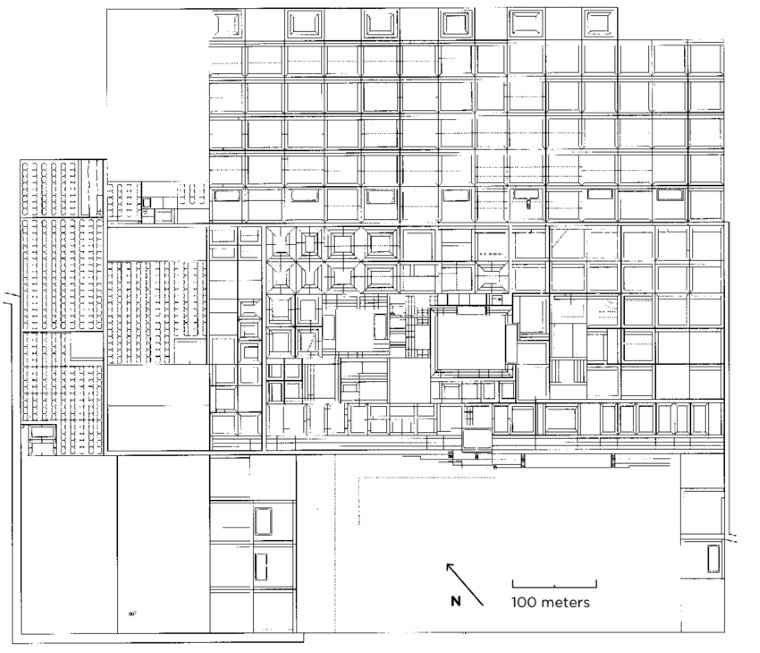
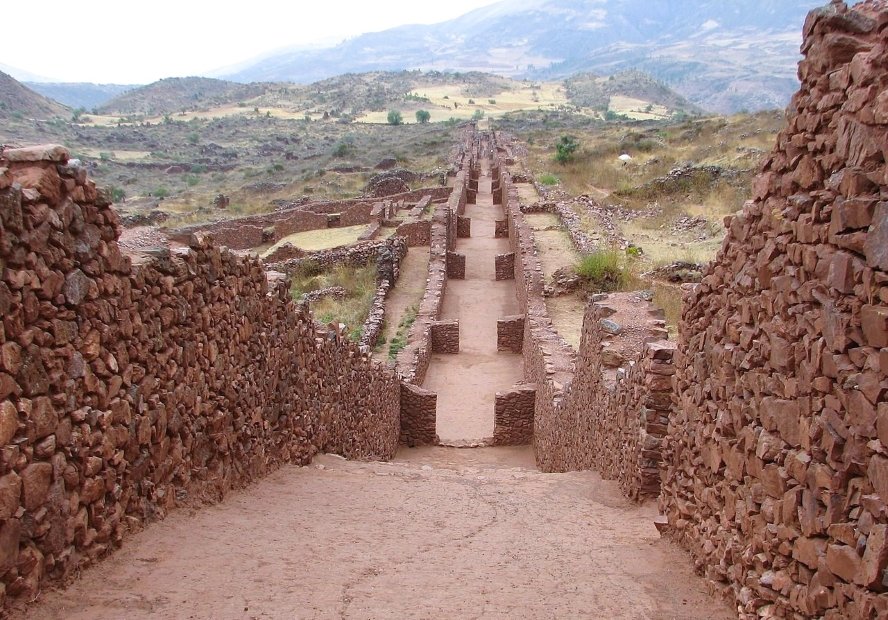
Pikillaqta is vast, covering about 50 hectares (124 acres), making it one of the largest archaeological sites in the region. Its name translates to “Flea Town” in Quechua, though the site is anything but small! The layout is impressive, with its rectangular structures, straight streets, and complex water channels—a testament to Wari engineering.
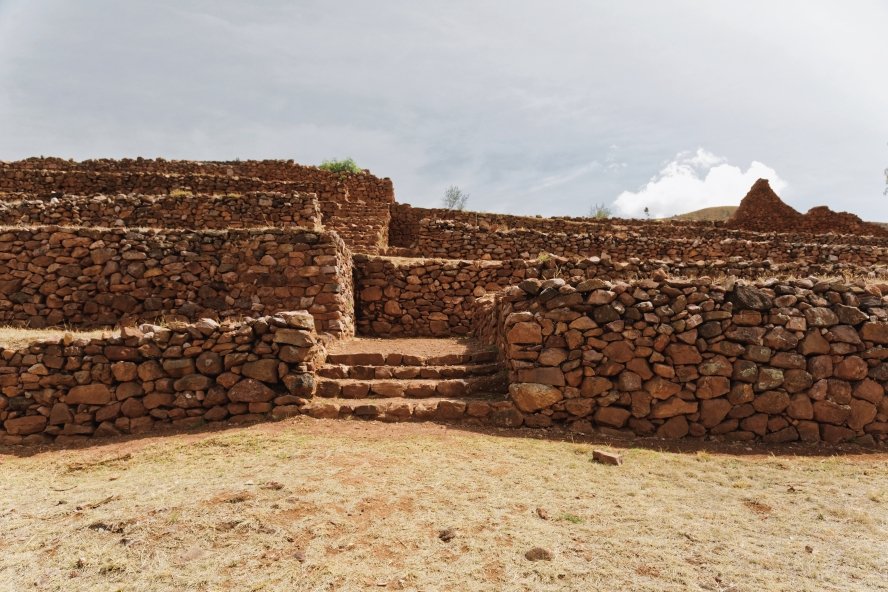
The walls, made of stone and adobe, once reached heights of over 12 meters (39 feet). As you walk through the site, you’ll find numerous rooms, terraces, and plazas, all meticulously arranged. There are also large open spaces, which many archaeologists believe were used for ceremonial gatherings or markets.
One of the most striking features is the precision of the city’s layout. The streets are straight and aligned, something rare for ancient cities. The symmetry and organization of Pikillaqta make it feel like you’re walking through a meticulously planned modern city—only much, much older.
Usage:
Pikillaqta wasn’t just a residential area; it was likely a multi-purpose hub for the Wari people. Archaeologists believe it served as a major administrative and military center, with its location helping the Wari maintain control over vast territories. Some areas of Pikillaqta might have been used for religious purposes or as storage for agricultural products.
The city’s proximity to water sources suggests that it may have played a key role in regional irrigation systems, helping to support the surrounding agricultural lands.
Interesting Facts:
- Pikillaqta predates the Incan Empire by hundreds of years but is still remarkably well-preserved.
- The site’s name, “Flea Town,” likely comes from Spanish explorers who thought the ruins resembled the small, cramped living conditions of fleas—though the actual site is anything but small!
- It is believed that Pikillaqta once housed over 10,000 people.
- The Wari were one of the first civilizations in Peru to develop extensive road networks, some of which were later adopted and expanded by the Incas.
- The site offers one of the best views of the Lucre Basin, a stunning landscape of mountains and valleys.
Activities:
- Guided Tours: Learn the intricate history of the Wari civilization with a local guide.
- Photography: The site offers breathtaking panoramic views of the Andean mountains.
- Hiking: Explore the vast grounds and nearby trails for an immersive experience.
- Birdwatching: Pikillaqta’s surrounding areas are home to various bird species, perfect for nature enthusiasts.
- Picnicking: Enjoy a peaceful lunch in one of the serene open areas of the site.
[put_wpgm id=95]
Getting There:
- From Cusco: Pikillaqta is located just 30 kilometers (19 miles) southeast of Cusco.
- By Car: A 40-minute drive along the Cusco-Puno highway.
- By Bus: Local buses headed toward Andahuaylillas pass by Pikillaqta.
- Tour: Many local tour companies offer half-day tours that include Pikillaqta and nearby sites.
- By Taxi: Taxis are available for hire from Cusco to the site, perfect for those who want more flexibility.
Final Thoughts:
If you’re craving a deeper understanding of Peru’s ancient past, Pikillaqta is the perfect spot to explore. Far less crowded than its Incan counterparts, this archaeological site offers a quieter, more reflective experience. It’s a place where history, nature, and culture intersect beautifully, making it a must-visit for anyone curious about the Wari civilization or simply looking to experience a hidden gem of the Andes. So pack your sense of adventure and dive into the ancient world of Pikillaqta—you won’t be disappointed! /photo credit