Imagine stepping back over 4,600 years to the dawn of pyramid-building, long before the iconic Pyramids of Giza took shape. Hidden just outside Cairo, the Pyramid of Djoser at Saqqara stands as Egypt’s very first pyramid and a symbol of architectural innovation. This ancient marvel is a bit off the typical tourist trail, making it the perfect spot for those who want to explore Egypt’s lesser-known gems. Whether you’re a history buff or just love soaking in stunning ancient landscapes, the Pyramid of Djoser is a must-see. Let’s dive into what makes this awe-inspiring structure a fascinating destination for adventurous travelers!
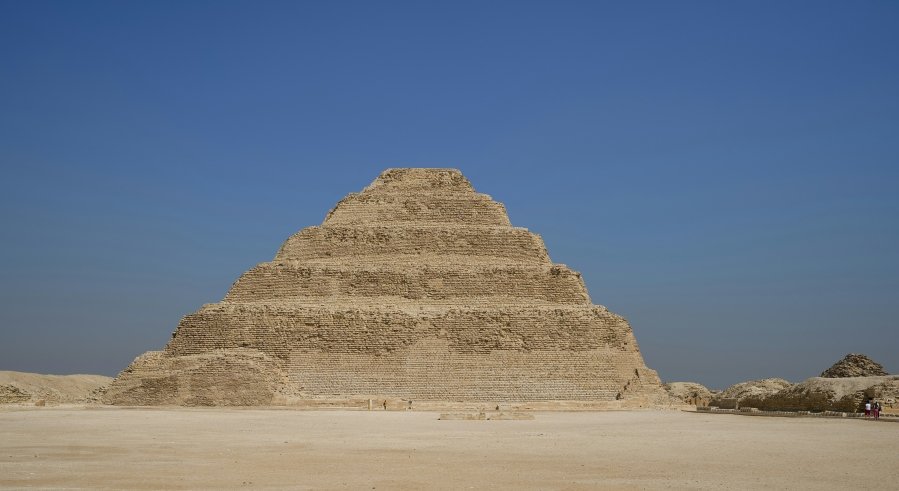
The Pyramid of Djoser, also known as the Step Pyramid, was constructed during the 27th century BCE under the reign of Pharaoh Djoser. Located in the vast Saqqara necropolis, this architectural wonder is considered to be the world’s oldest large-scale stone monument. Unlike the later smooth-sided pyramids, Djoser’s pyramid is made up of six distinct layers, or “steps,” that rise to a height of 62 meters (203 feet). It was designed by the pharaoh’s genius architect, Imhotep, who forever changed the course of ancient construction techniques.
The pyramid originally served as a grand tomb for Djoser, marking a transition in burial practices from simple mastabas to monumental structures. Its design reflects early beliefs about the afterlife, with the step structure symbolizing a stairway to heaven. Saqqara itself is a sprawling ancient burial ground, so in addition to the pyramid, you’ll find plenty of tombs, temples, and other remnants of ancient Egypt’s grandeur. The surrounding desert landscape adds to the mystical allure of the site.
Off-the-Beaten-Path Recommendations
While most tourists flock to the Pyramids of Giza, Saqqara offers a quieter, more intimate experience. The Pyramid of Djoser is just one part of a much larger complex that often goes unnoticed. As you explore, make sure to check out these lesser-known but equally fascinating attractions:
- The Serapeum: This underground burial chamber for the Apis bulls is both eerie and awe-inspiring. It’s a maze of massive stone sarcophagi that once held sacred bulls, which were worshipped as deities. The Serapeum is an archaeological treasure not to be missed.
- Tomb of Ti: Not far from Djoser’s pyramid, the Tomb of Ti is filled with vivid wall carvings that offer a glimpse into daily life during Egypt’s Old Kingdom. The tomb’s intricate scenes of agriculture, fishing, and banquets are remarkably well-preserved and worth the detour.
- The Imhotep Museum: Named after the architect of Djoser’s pyramid, this small but insightful museum houses artifacts discovered during excavations at Saqqara. You’ll find everything from statues to ancient tools used in pyramid construction, providing a deeper understanding of the site’s significance.
What makes Saqqara special is that it feels like you’re uncovering a hidden gem. Unlike the heavily commercialized sites around Giza, here you can wander freely, often without the crowds. It’s the perfect destination for the traveler who wants a more authentic, off-the-grid experience.
A Walk Through Time: The Saqqara Necropolis
Once you’re done marveling at the pyramid, take a stroll through the surrounding necropolis. This vast area is home to tombs and ruins spanning thousands of years. The Saqqara complex served as the main burial site for Memphis, the capital of ancient Egypt. You can explore the remnants of other pyramids, such as the Pyramid of Unas, which features the first-ever pyramid texts—carvings detailing the deceased king’s journey to the afterlife.
The site is dotted with mastabas, ancient flat-roofed tombs that predate the pyramids, each offering unique insights into the funerary customs of the time. The tomb of the nobleman Kagemni, for example, contains stunning carvings that depict everyday life in extraordinary detail. It’s easy to lose yourself here, imagining what life must have been like thousands of years ago.
Travel Tips and Practical Information
Getting to Saqqara is fairly straightforward from Cairo. It’s about a 40-minute drive, and taxis or private drivers are your best bet. If you want to avoid the hustle and bustle of the city, visiting early in the morning or late in the afternoon can provide a more peaceful experience. Entrance fees are quite affordable, typically around 150-180 EGP, but prices vary slightly depending on the season and whether you want to enter additional tombs or museums.
Pro tip: Bring plenty of water and sunscreen. Saqqara can get scorching hot, especially in the summer months. Comfortable shoes are also a must—there’s a lot of walking involved! If you’re an archaeology enthusiast, hiring a local guide can enhance your visit, giving you in-depth insights into the history and significance of the monuments.
Nearby Points of Interest & Landmarks
If you have more time, don’t miss these other incredible sites near Saqqara:
- Memphis: Just a short drive away, the ancient capital of Memphis boasts statues and artifacts, including a colossal statue of Ramses II.
- Dahshur: Another pyramid hotspot, Dahshur is home to the Bent Pyramid and the Red Pyramid, both built by Pharaoh Sneferu. These sites are far less crowded than Giza, giving you a more serene experience.
- Giza: Of course, if you haven’t already been, Giza’s Great Pyramids and the Sphinx are iconic landmarks that are just a 45-minute drive from Saqqara.
Final Thoughts
The Pyramid of Djoser is a journey into the very origins of Egypt’s pyramid-building tradition. Visiting this off-the-beaten-path wonder not only offers a unique perspective on ancient Egyptian history but also provides a tranquil escape from the busier tourist sites. From exploring the Serapeum to wandering through the tombs of the Saqqara necropolis, this experience is perfect for travelers looking to dive deep into Egypt’s rich past. So pack your bags, and get ready for an unforgettable adventure!