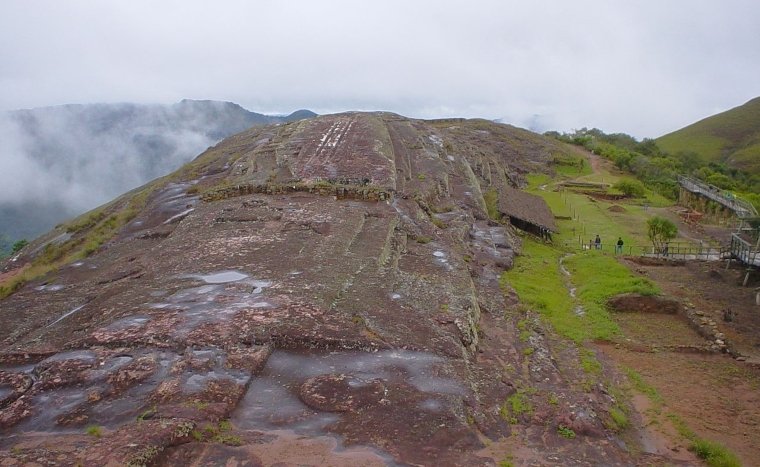
Deep in the Santa Cruz region of Bolivia, Samaipata is a hidden gem that captures the imagination of travelers, archaeologists, and history buffs alike. Known as “El Fuerte de Samaipata” or simply “El Fuerte,” this ancient site is a fascinating blend of Incan, pre-Incan, and Spanish colonial influences. Unlike many ancient ruins, Samaipata isn’t just one thing—it’s a ceremonial center, a religious site, and possibly even an ancient fort, all rolled into one. The site’s defining feature is a massive rock carved with symbols, steps, and niches that give us a peek into the mysterious past of the indigenous people who once lived here.
With its awe-inspiring stonework and panoramic views of the Andes, Samaipata is more than just a historical site, it’s a testament to the ingenuity and spiritual depth of ancient cultures. In this article, we’ll dive into the history, architecture, and significance of Samaipata, as well as highlight the best things to see, do, and experience at this incredible Bolivian landmark. Get ready to embark on a journey to one of South America’s most enigmatic ancient sites!
History of Samaipata
The history of Samaipata is both rich and complex, reflecting the many cultures that left their mark here. Scholars believe the site was originally developed by the Chané people, a pre-Incan indigenous group that held Samaipata as a sacred location. Later, around the 14th century, the Inca Empire expanded into Bolivia and took control of Samaipata, incorporating it into their vast empire. The Inca brought their own beliefs and customs, turning Samaipata into a ceremonial center where rituals were performed to honor the gods.
When the Spanish arrived in the 16th century, they were fascinated by Samaipata’s mysterious carvings and terraces. The Spanish conquistadors used the site for their own purposes, adding Christian symbols to the existing carvings. Eventually, the site was abandoned, leaving behind an ancient landscape that still holds echoes of the past. Today, Samaipata is a UNESCO World Heritage Site, a recognition that underscores its historical and cultural importance.
Description of the Site
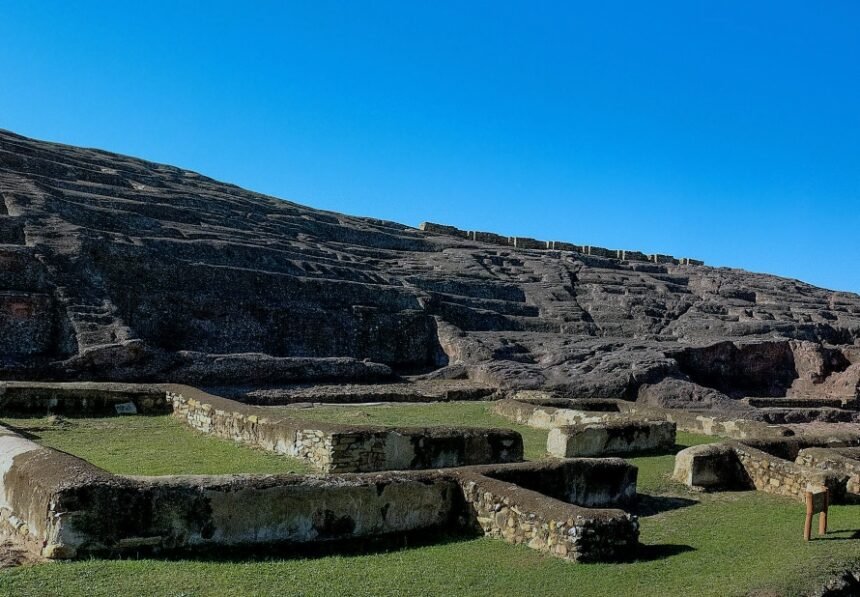
The Samaipata archaeological site covers about 20 hectares and sits at an elevation of 1,950 meters (6,400 feet) on the edge of the Andes. Its most iconic feature is the large sandstone rock that stretches 220 meters in length and is intricately carved with mysterious symbols, channels, niches, and terraces. This rock, known as “El Fuerte,” is believed to be a ceremonial center. It features carvings that include animal figures like pumas and snakes, as well as geometric patterns that may have been used in religious rituals or as a form of communication.
Around El Fuerte, you’ll find a mix of Incan and pre-Incan architecture, including a large plaza and various terraces, which were likely used for gatherings or religious ceremonies. There are also remains of Spanish colonial structures, evidence of the conquistadors’ fascination with the site and their attempts to overlay their own culture onto it. The blend of styles makes Samaipata one of the most architecturally unique ancient sites in South America.
Usage of Samaipata
Samaipata’s primary purpose is still debated by archaeologists and historians, but it’s generally believed to have served as a ceremonial center for the Chané and later, the Inca. The large rock, with its carvings and niches, is thought to have been a sacred place where priests and shamans conducted rituals to communicate with the gods. The presence of animal carvings and symbols linked to the cosmos suggests that the site may have been used for astronomical observations as well.
When the Spanish arrived, they recognized the spiritual significance of Samaipata and may have attempted to use it as a religious outpost, blending Christian symbols with indigenous beliefs. Over time, however, the site was abandoned, left to the elements until its rediscovery centuries later.
Interesting Facts About Samaipata
- Mysterious Carvings: Samaipata’s rock carvings are still not fully understood, leaving plenty of room for speculation about their purpose and meaning.
- Mix of Cultures: Samaipata is one of the few places where Incan, pre-Incan, and Spanish colonial elements coexist in one site.
- Astronomical Alignments: Some researchers believe that the rock’s channels and carvings were used for tracking celestial events.
- Panoramic Views: The site offers breathtaking views of the surrounding Andes and valleys, making it a perfect blend of history and natural beauty.
- UNESCO World Heritage Site: Samaipata was designated a UNESCO site in 1998, which helps protect and preserve its rich cultural heritage.
Activities at Samaipata
- Guided Tours: Knowledgeable guides bring Samaipata’s history to life, explaining the significance of each carving and structure.
- Photography: With its stunning rock formations and mountain views, Samaipata is a photographer’s dream.
- Hiking: Several trails in the area offer great opportunities for hiking and enjoying the breathtaking Andean landscape.
- Birdwatching: Samaipata is home to a variety of bird species, making it a great spot for birdwatching.
- Visit Samaipata Town: The nearby town of Samaipata has charming restaurants, artisan shops, and a relaxed vibe perfect for unwinding after a day of exploration.
Getting There
Samaipata is accessible from Santa Cruz, Bolivia’s largest city. Here’s how to get there:
- Fly into Santa Cruz: Start by flying into Santa Cruz’s Viru Viru International Airport.
- Take a Bus or Car to Samaipata: From Santa Cruz, it’s a 3-hour drive to Samaipata. Buses and taxis are available, though renting a car offers the most flexibility.
- Local Transportation: Once in Samaipata, you can walk, take a taxi, or hire a local guide to reach the site, which is about a 20-minute drive from town.
Nearby Points of Interest & Landmarks
- Amboró National Park: Known for its incredible biodiversity, this park is a must-visit for nature lovers, with numerous trails and waterfalls.
- Las Cuevas Waterfalls: A scenic spot for hiking and swimming, these beautiful waterfalls are a short drive from Samaipata.
- Samaipata Wine Route: Samaipata has a small but growing wine industry, and several vineyards offer tastings and tours.
- Town of Samaipata: The town itself is a lovely place to explore, with its quaint colonial architecture, vibrant markets, and laid-back vibe.
- Pucará Archaeological Site: Another pre-Incan site nearby, Pucará offers insights into Bolivia’s ancient history.
Final Thoughts
Samaipata is one of those rare places where history, nature, and mystery collide, creating an unforgettable travel experience. Whether you’re an archaeology enthusiast, a hiker, or simply someone looking to soak in the rich culture of Bolivia, Samaipata has something to offer. As you wander through the ancient carvings and take in the stunning Andean landscape, you’ll feel the timeless energy of a place that has captivated generations.
Samaipata isn’t just a destination, it’s a journey into Bolivia’s ancient past and a chance to connect with the mysteries of a world long gone. So, next time you’re planning a trip to South America, make sure to put Samaipata on your list—you won’t be disappointed!/ photo credit