Discover 10 obscure historical events that had a surprising impact on shaping our modern world. From the Erfurt Latrine Disaster to the mysterious Wow! Signal, explore weird historical facts that changed the course of history.
The Erfurt Latrine Disaster (1184)
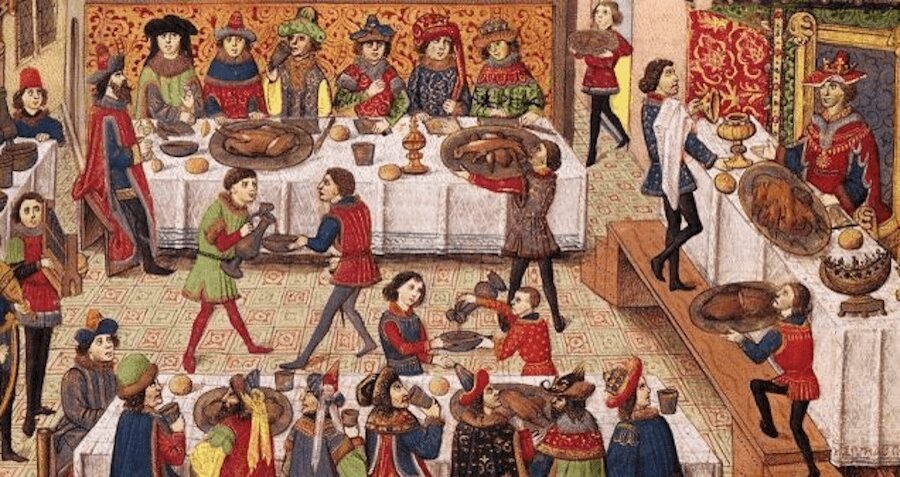
In medieval Germany, a fateful meeting at the Church of St. Peter in Erfurt ended in tragedy when the wooden floor collapsed, plunging dozens of nobles and clergy into a cesspit below. Among the victims were Count Gozmar III of Ziegenhain and Count Frederick of Abenberg. The Holy Roman Emperor Frederick I Barbarossa narrowly escaped. This bizarre accident reshaped European politics by eliminating key political figures, altering succession plans, and shifting alliances. The incident led to changes in medieval architecture, with more emphasis on sturdy stone floors in public buildings.
The Defenestration of Prague (1618)
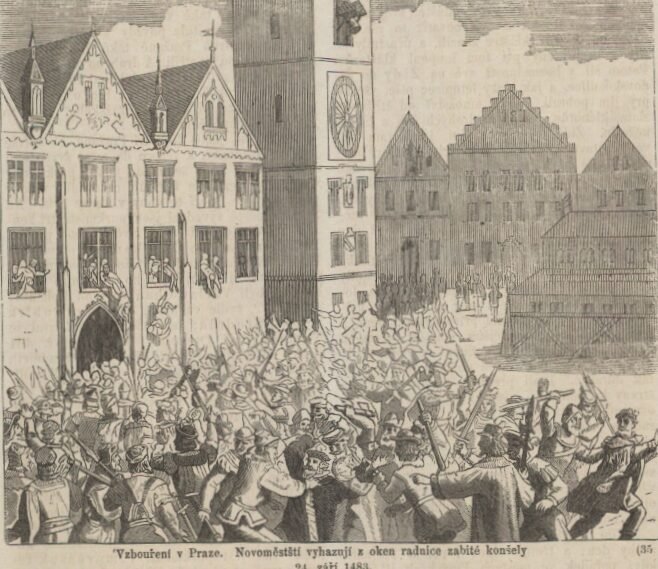
On May 23, 1618, Protestant nobles in Bohemia (modern-day Czech Republic) threw two Catholic regents and their secretary out of a window of Prague Castle. Remarkably, all three survived the 70-foot fall, reportedly landing in a pile of manure. This act of rebellion against the Habsburg rule sparked the Thirty Years’ War, a conflict that engulfed much of Europe. The war reshaped Europe’s religious and political landscape, weakening the Holy Roman Empire and establishing the principle of state sovereignty that still underpins international relations today.
The Great Molasses Flood (1919)
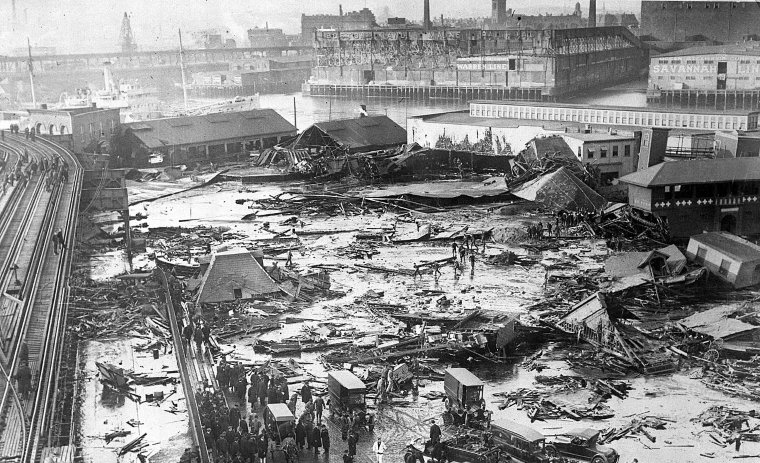
On January 15, 1919, a large molasses storage tank burst in the North End neighborhood of Boston, Massachusetts. The collapse released a massive wave of molasses moving at 35 mph (56 km/h), killing 21 people and injuring 150. The disaster led to a landmark court case and resulted in stricter regulations for construction projects. Engineers now study the event as an example of the importance of materials science and the dangers of shoddy construction. The incident also spurred the development of modern disaster response protocols in urban areas.
The Cadaver Synod (897)
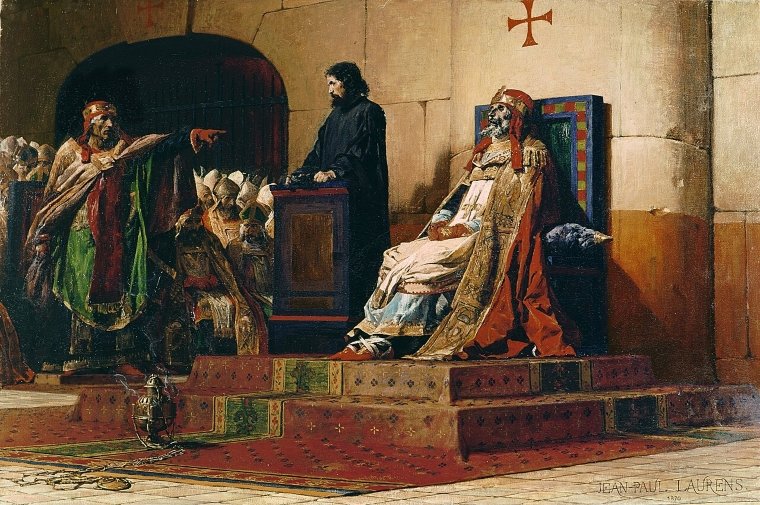
In one of the most macabre events in papal history, Pope Stephen VI put his deceased predecessor, Pope Formosus, on trial. The corpse, dressed in papal vestments, was propped up on a throne and subjected to questioning and accusations. This ghastly spectacle, driven by political vendettas, severely damaged the prestige of the papacy. The event contributed to the period known as the “saeculum obscurum” (dark age) of the papacy and influenced later reforms aimed at reducing corruption and increasing transparency in church governance.
The Dancing Plague of 1518
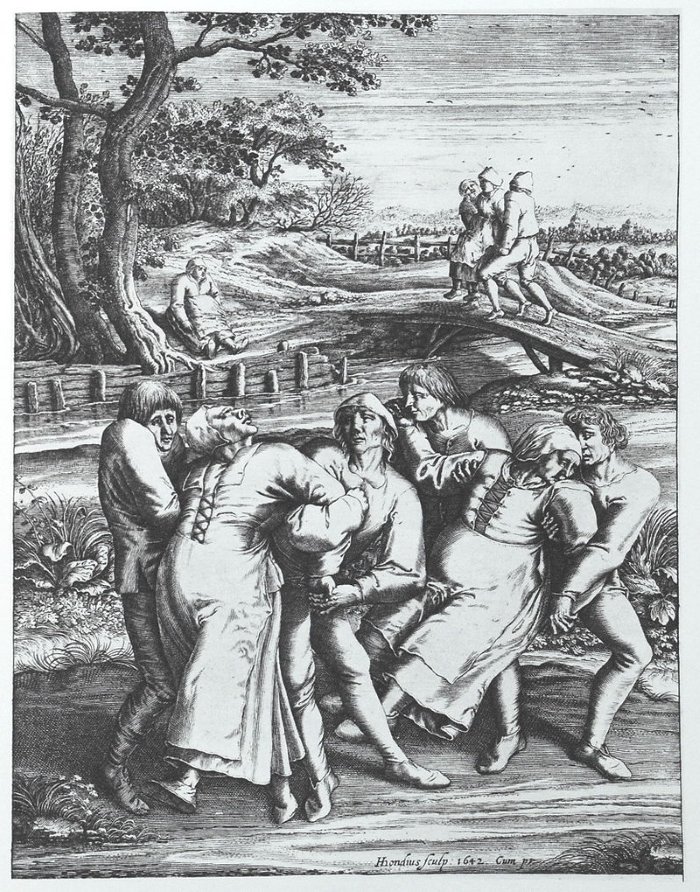
In July 1518, in Strasbourg, Alsace (then part of the Holy Roman Empire), a woman began dancing fervently in the street. Within a month, about 400 people had joined her, dancing for days without rest. Some reportedly danced until they died of exhaustion, stroke, or heart attack. Physicians of the time blamed it on “hot blood” and prescribed more dancing to cure it. Modern theories range from ergot poisoning to mass psychogenic illness. This bizarre incident has influenced our understanding of mass hysteria and the power of social contagion, contributing to the development of crowd psychology and social behavior studies.
The Phantom Time Hypothesis (614-911 AD)
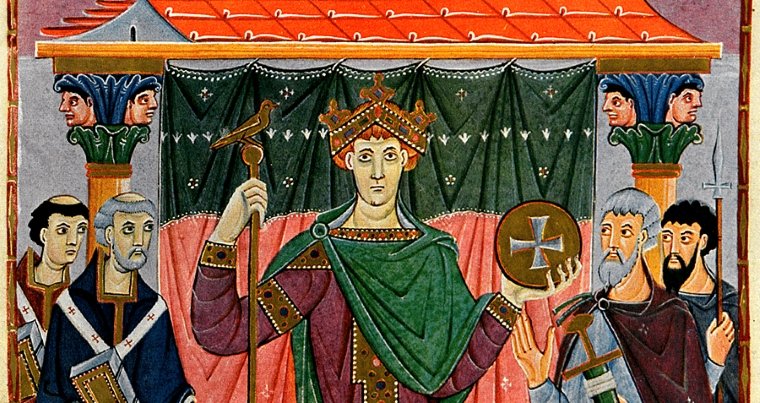
In 1991, German historian Heribert Illig proposed that the Early Middle Ages (614-911 AD) never existed, but were a fabrication of Holy Roman Emperor Otto III, Pope Sylvester II, and possibly Byzantine Emperor Constantine VII. According to this theory, they altered existing documents and created fraudulent historical records to place Otto III’s reign at the millennial year 1000 AD. While most historians reject this theory, it has sparked debates about the reliability of historical dating methods and the potential for large-scale historical forgeries. The hypothesis continues to influence discussions about historical authenticity and the nature of our calendar system.
The Year Without a Summer (1816)
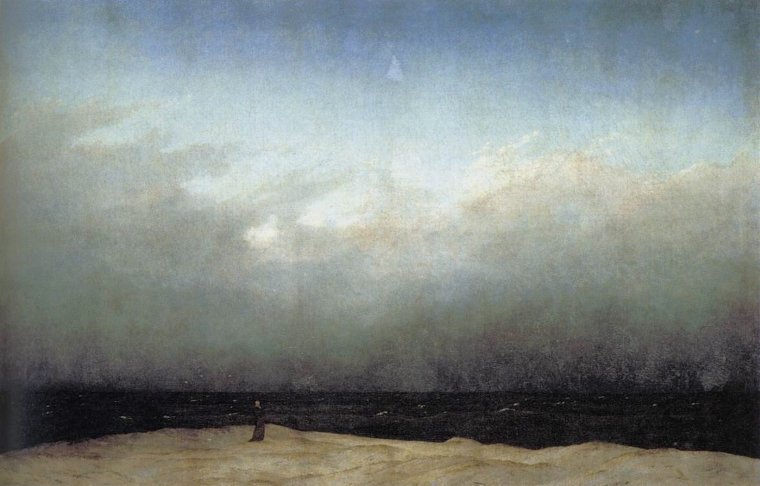
In 1815, Mount Tambora in Indonesia erupted, ejecting massive amounts of volcanic ash into the atmosphere. The following year became known as the “Year Without a Summer” due to severe climate abnormalities. Average global temperatures dropped by 0.4–0.7 °C, causing major food shortages across the Northern Hemisphere. The event led to significant advancements in agriculture, as farmers sought crops that could withstand shorter and cooler growing seasons. It also inspired Mary Shelley to write “Frankenstein” during a gloomy summer spent indoors, influencing gothic literature. The incident highlighted the global impact of volcanic eruptions and contributed to early climate science research.
The Emu War (1932)
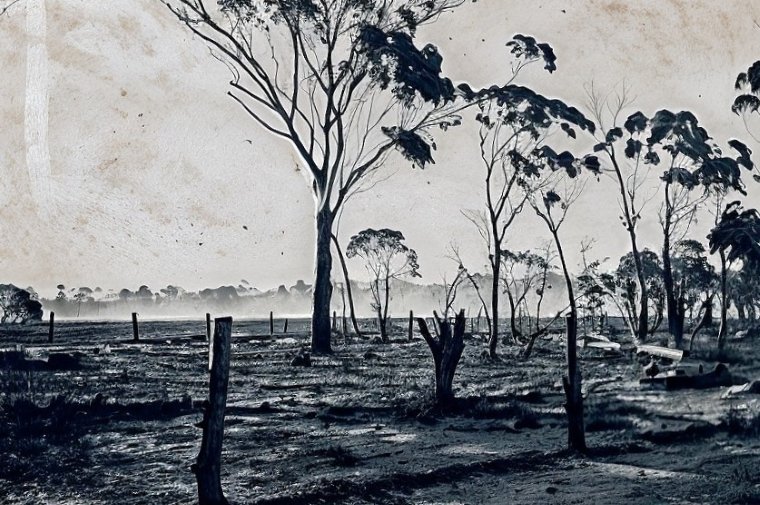
In the wake of the Great Depression, Australian WWI veterans were encouraged to settle in Western Australia and farm the land. However, some 20,000 emus migrated to the area, ravaging crops. The government responded by sending soldiers with Lewis guns to cull the birds. The “war” lasted from November 2 to December 10, with limited success. Despite the comedic aspects, the event highlighted serious issues of wildlife management and environmental impact. It led to more sustainable farming practices and influenced Australia’s approach to its unique ecosystem. Today, it serves as a cautionary tale about human intervention in nature and the unintended consequences of agricultural expansion.
The Toledo War (1835-1836)
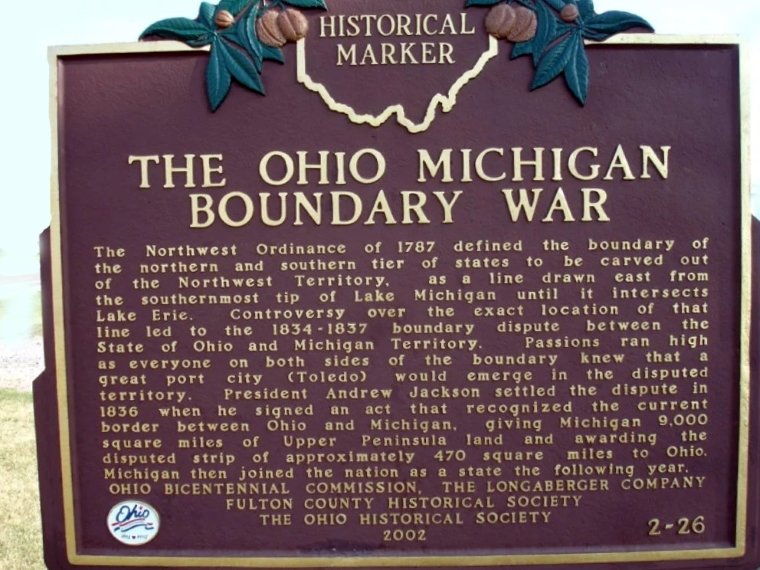
This border dispute between Michigan Territory and Ohio over a strip of land containing the city of Toledo nearly led to armed conflict. The dispute arose from conflicting maps and surveys of the Northwest Territory. While no actual battles were fought, both sides raised militias and made arrests in the disputed zone. The conflict was resolved when Michigan agreed to cede its claim to the Toledo Strip in exchange for admission to the Union and the western part of the Upper Peninsula. This bloodless “war” had lasting impacts on American federalism, influencing how interstate disputes are resolved and demonstrating the federal government’s role in mediating conflicts between states.
The Wow! Signal (1977)
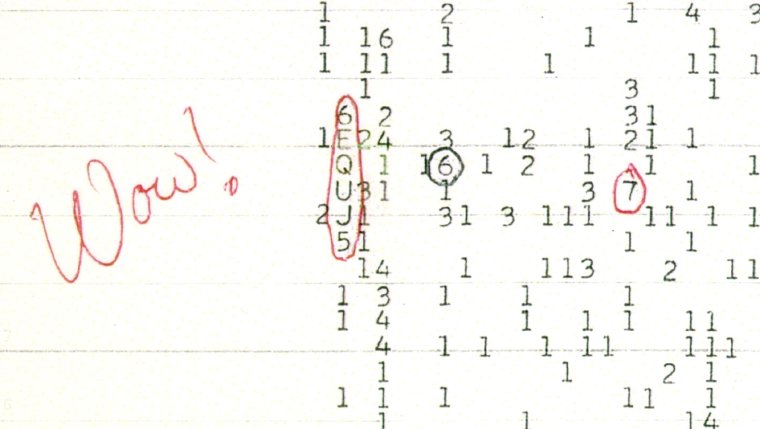
On August 15, 1977, astronomer Jerry Ehman detected a strong narrowband radio signal while working on the SETI project at Ohio State University’s Big Ear radio telescope. The signal, which lasted for 72 seconds, was so remarkable that Ehman circled the readout on the computer printout and wrote “Wow!” next to it. The origin and nature of the signal remain unexplained to this day. This event revolutionized SETI programs, inspiring more systematic searches for extraterrestrial intelligence. It continues to influence space exploration and our understanding of the cosmos, serving as a reminder of the vast unknowns in our universe and fueling scientific and public interest in the search for extraterrestrial life.