




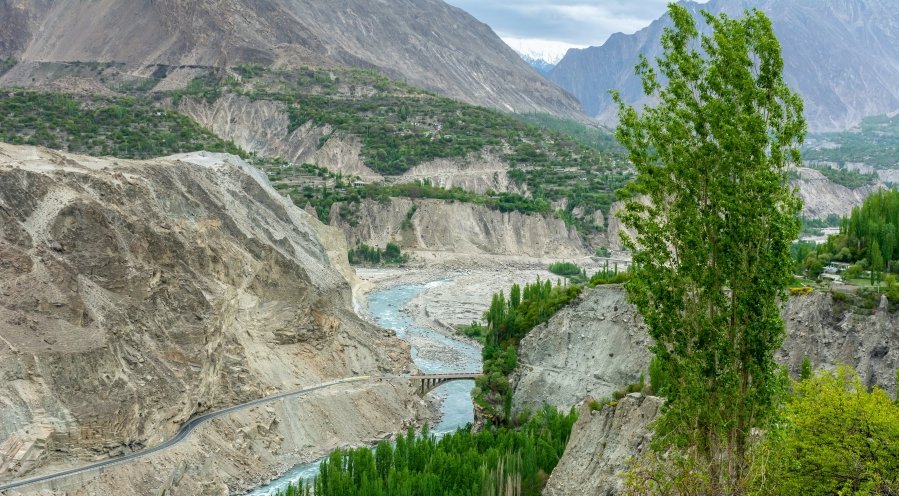
Nested in the picturesque Hunza Valley, Ganish Village is a treasure trove of history and culture. Known as the oldest settlement in the valley, Ganish offers a glimpse into the region’s ancient past, with centuries-old wooden mosques, traditional homes, and a unique blend of cultures. It’s a place where history feels alive, where the mountains stand as silent witnesses to generations of life and change. If you’re traveling to Hunza and want to experience something truly authentic, Ganish Village is a hidden gem you don’t want to miss.
Ganish Village, located on the ancient Silk Road, is one of the most historically significant settlements in the Hunza Valley. The village is believed to be over 1,000 years old and served as a key trading post for caravans traveling between China, Central Asia, and the Indian subcontinent. It’s no surprise that Ganish has a rich cultural and architectural heritage, shaped by centuries of contact with diverse civilizations.
The village is particularly famous for its well-preserved wooden mosques, some of which date back to the 16th century. These mosques are architectural marvels, with intricate carvings and designs that reflect a blend of Persian, Central Asian, and local influences. The preservation of these structures has been recognized internationally, with Ganish winning UNESCO Asia-Pacific Heritage Awards for its restoration efforts.
The people of Ganish are primarily Ismaili Muslims, followers of the Aga Khan, and the village has a strong sense of community, with a focus on education, preservation of tradition, and sustainable living. As you wander through the narrow lanes of Ganish, you’ll feel the weight of history around you while also sensing the vibrancy of a community still deeply connected to its roots.
Activities:
While Ganish Village is relatively small, there’s plenty to see and do for those interested in history, architecture, and culture.
- Explore the Ancient Mosques: Ganish is home to four beautifully preserved wooden mosques, each with its own unique charm. The Jamat Khana (community mosque) is the most famous, with its stunning woodwork and carvings. Don’t miss the opportunity to walk around the courtyards, where you can admire the traditional stone and timber architecture.
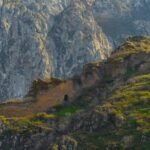
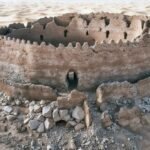
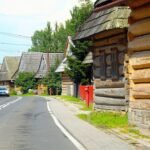
- Walk Through the Old Village: Ganish’s narrow streets are perfect for a leisurely stroll. As you walk through the village, you’ll see traditional stone houses, water channels (known as kareez), and ancient fortifications that speak to the village’s historical importance. The Ganish Watch Tower, used centuries ago to guard against invaders, offers a fascinating glimpse into the village’s defensive past.
- Visit the Local Museum: There’s a small but informative museum in Ganish where you can learn about the village’s history, its role on the Silk Road, and the ongoing efforts to preserve its unique cultural heritage. The exhibits include ancient artifacts, photographs of the village over the years, and information on the Aga Khan Trust’s restoration projects.
Off-the-Beaten-Path Recommendations:
While Ganish is itself an off-the-beaten-path destination, there are a few hidden gems and experiences that even many visitors to Hunza may overlook.
- Attend a Local Cultural Event: If you’re lucky enough to visit Ganish during a local festival or religious event, don’t miss the chance to participate. The village’s residents often come together for traditional music performances, dances, and religious gatherings that offer a deeper understanding of their culture and way of life.
- Explore the Kareez Water System: The ancient underground water channels of Ganish, known as kareez, are a marvel of engineering. These channels have been used for centuries to bring water from mountain springs into the village. Take a guided tour to learn how this system works and its significance in sustaining life in this arid region.
- Hike to the Surrounding Hills: While most visitors come to Ganish for the history, the surrounding landscape is equally breathtaking. A short hike into the nearby hills will reward you with panoramic views of the Hunza Valley and the Karakoram Range. You’ll also pass terraced fields and orchards, where you might see locals tending to their crops.
Travel Tips and Practical Information:
- How to Get There: Ganish Village is located about 90 kilometers from Gilgit, the main hub in northern Pakistan. The best way to reach Ganish is by road from Gilgit, which takes around two to three hours. You can either hire a private driver or catch a local bus to Hunza, and then make your way to Ganish.
- Best Time to Visit: The best time to visit Ganish is between May and October, when the weather is pleasant and the roads are accessible. Spring and autumn are particularly beautiful, with blooming flowers and golden leaves adding to the village’s charm.
- What to Bring: Ganish is a small, quiet village, so be prepared for a simple, laid-back experience. Wear comfortable walking shoes for exploring the village’s cobbled streets, and bring a camera to capture the stunning architecture and landscapes. If you’re staying overnight, pack warm clothing, as the nights can get chilly, even in summer.
- Where to Stay: There are a few guesthouses in and around Ganish, as well as more options in nearby Karimabad. Staying with a local family in a traditional house is a great way to experience the village’s hospitality.
Nearby Points of Interest & Landmarks:
- Baltit Fort: Located in nearby Karimabad, Baltit Fort is an iconic landmark in the Hunza Valley. This ancient fort, perched on a hilltop, offers breathtaking views of the valley and provides insight into the region’s royal history.
- Altit Fort: Another stunning historical site, Altit Fort is known for its strategic location and stunning views of the Hunza River. The fort has been beautifully restored and now serves as a cultural center.
- Passu Cones: Just a short drive from Ganish, the Passu Cones are a series of jagged peaks that rise dramatically above the Hunza Valley. They are one of the most photographed landmarks in northern Pakistan, and the view of these mountains at sunset is unforgettable.
- Hussaini Suspension Bridge: Known as one of the most dangerous bridges in the world, the Hussaini Suspension Bridge is an exhilarating experience for adventurous travelers. Crossing the bridge offers fantastic views of the Hunza River and the surrounding mountains.
Final Thoughts:
Ganish Village is a hidden gem that offers a unique blend of history, culture, and natural beauty. It’s a place where ancient traditions live on, where the architecture speaks of centuries past, and where the local community welcomes travelers with open arms. Whether you’re interested in history, culture, or simply looking for a peaceful place to reflect and relax, Ganish is a destination that will leave a lasting impression.