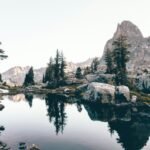





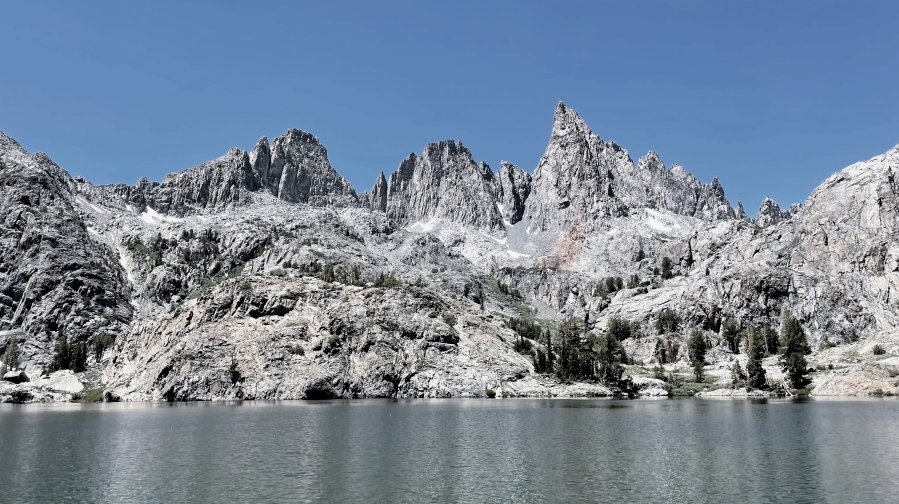
The Minarets, located in California’s Sierra Nevada within the Ritter Range, are a dramatic collection of jagged peaks that lure adventurers, climbers, and hikers alike. These stunning, tooth-like spires rise sharply above the landscape, offering a breathtaking backdrop for those exploring the Ansel Adams Wilderness. With rugged terrain, sweeping views, and pristine alpine lakes nearby, the Minarets provide a perfect mix of challenge and beauty. Whether you’re climbing, backpacking, or simply enjoying the scenery, the Minarets are an unforgettable part of the Sierra Nevada experience.
The Minarets, part of the Ritter Range, are one of the most striking geological formations in the Sierra Nevada, often overshadowed by the more famous peaks like Mount Ritter and Banner Peak. Formed through volcanic activity and sculpted by glaciation, the Minarets are characterized by their sharp, serrated peaks, which rise dramatically against the horizon. There are about 17 named spires in the Minaret group, with Clyde Minaret being the tallest, standing at 12,281 feet. Named after famed climber Norman Clyde, Clyde Minaret is a favorite destination for experienced mountaineers.
This rugged range has captured the imagination of climbers for decades due to its technical routes and challenging rock faces. The surrounding wilderness is also a haven for hikers and backpackers who want to experience the remote beauty of this high-altitude region, with nearby lakes like Minaret Lake offering scenic camping spots. The Minarets are part of the Ansel Adams Wilderness, named after the famous photographer who captured the stark beauty of these peaks in his iconic black-and-white photos.
A. Activities
- Climbing the Minarets: For seasoned climbers, the Minarets offer a technical challenge that few peaks in the Sierra can match. Routes on Clyde Minaret, in particular, are known for their difficulty, with the easiest route still classified as a class 4 climb. Other spires in the range also offer multi-pitch climbs that require expertise in route finding, belaying, and scrambling over rugged terrain. These climbs are for experienced climbers, but the reward is stunning views and a sense of accomplishment like no other.
- Hiking and Backpacking: If you’re not into climbing, don’t worry—hiking and backpacking in the Minarets’ surrounding areas is just as rewarding. The trail to Minaret Lake offers beautiful views of the peaks, alpine meadows, and wildflowers. Backpackers can camp at the lake and enjoy the serenity of the remote wilderness while waking up to views of the jagged spires in the distance. The John Muir Trail (JMT) also passes close to the Minarets, providing opportunities for long-distance hikers to enjoy the scenery.
B. Off-the-Beaten-Path Recommendations
- Ediza Lake: While Minaret Lake draws many visitors, Ediza Lake offers a quieter and equally stunning experience. Nestled at the base of Mount Ritter and Banner Peak, it provides a more secluded spot for backpackers or day hikers looking to escape the crowds. The lake’s mirror-like surface reflects the towering peaks, making it a perfect spot for photography or quiet contemplation.
- Iceberg Lake: A bit more difficult to reach, Iceberg Lake is for adventurers looking for something off the beaten path. Located beyond Ediza Lake, this glacial-fed lake remains partially frozen for much of the year, with its crystal-clear, icy waters creating a surreal atmosphere. This hike requires some navigation skills and stamina, but the rewards are immense.
Travel Tips and Practical Information
- Getting There: The Minarets are located in the Eastern Sierra, near Mammoth Lakes. Access is primarily via the Devils Postpile trailhead, which is serviced by a shuttle during the summer months. From here, you can hike to Minaret Lake, Ediza Lake, or further into the wilderness. Be prepared for a strenuous hike, as the trails gain significant elevation.
- Permits: If you’re planning on backpacking, you’ll need a wilderness permit from the Inyo National Forest. These permits are required year-round for overnight stays in the Ansel Adams Wilderness, and quotas are in place to limit the number of visitors during peak seasons.
- What to Bring: Be prepared for high-altitude conditions—pack plenty of water, food, and layers, as temperatures can vary greatly from day to night. If you’re climbing, ensure you have the proper gear and knowledge for technical routes. Always carry a map, compass, or GPS, as cell service is unreliable in the backcountry.
- Best Time to Visit: Late summer and early fall (July to September) are the best times to visit, as snow has melted from the trails, and the weather is generally stable. Early summer may still have snow on higher elevations, which could make climbing or hiking more difficult.
Nearby Points of Interest & Landmarks
- Devils Postpile National Monument: Located near the Minarets, Devils Postpile is a fascinating geological formation of basalt columns. It’s a short hike from the trailhead and a great addition to your trip if you’re in the area.
- Rainbow Falls: Just a bit further from Devils Postpile, Rainbow Falls is a stunning 101-foot waterfall known for the colorful rainbows that form in its mist on sunny days.
- Mammoth Lakes: The nearby town of Mammoth Lakes offers plenty of outdoor activities, from mountain biking to skiing in the winter. It’s a great place to rest and recharge after a long day exploring the wilderness.
Final Thoughts
The Minarets in the Ritter Range offer a rugged and remote adventure for those willing to take on the challenge. Whether you’re scaling the jagged peaks, hiking the trails, or simply camping by an alpine lake, the raw beauty of the Minarets will leave you in awe. With its combination of breathtaking scenery, technical climbs, and peaceful seclusion, this area is a must-visit for anyone looking to experience the wild heart of California’s Sierra Nevada.