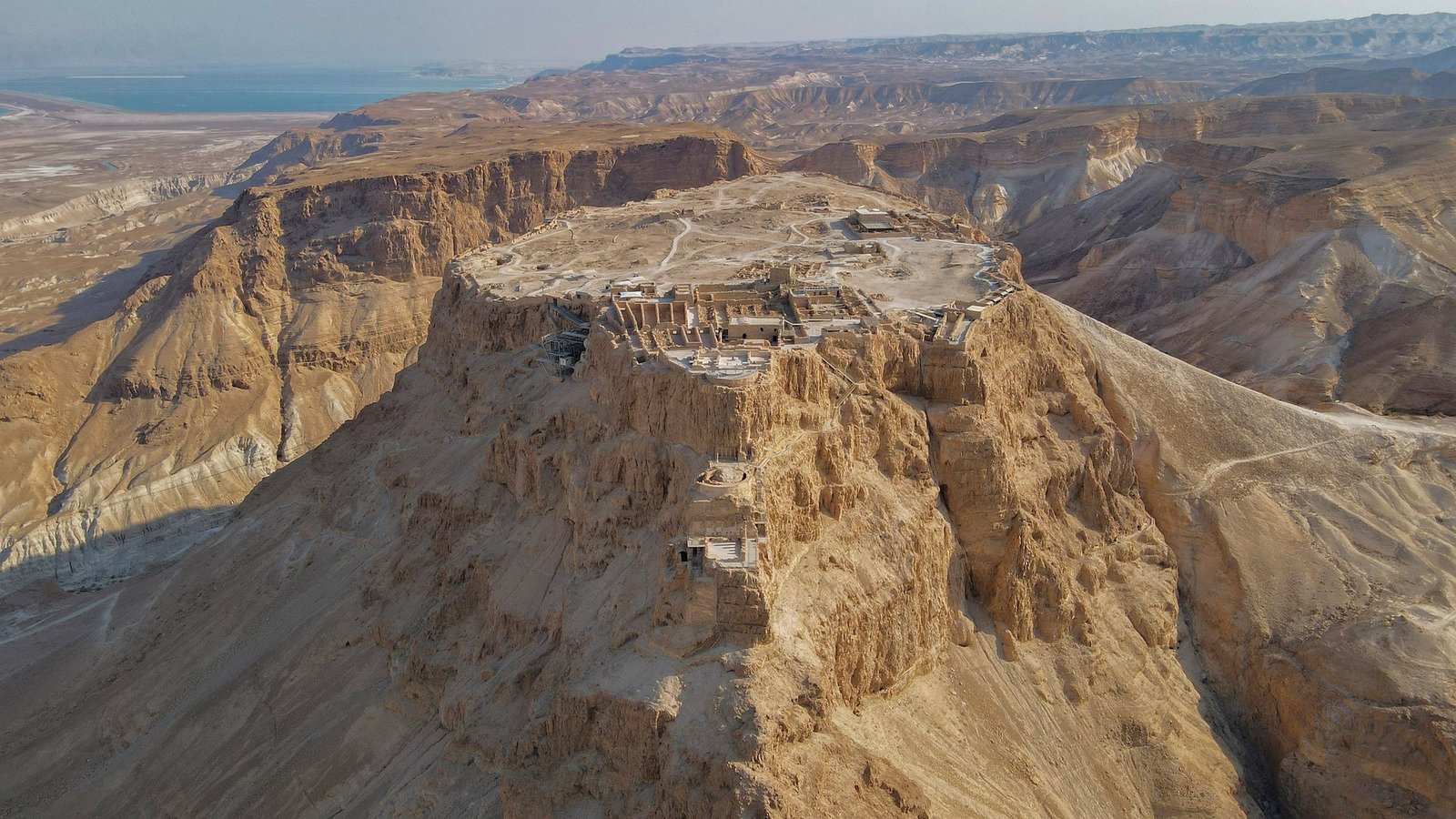





History is full of mysteries, but perhaps none are as captivating as the enigma of lost civilizations. These are societies that once flourished, leaving behind magnificent structures and artifacts, only to disappear seemingly without explanation. From the jungles of Central America to the deserts of Africa, these vanished cultures continue to baffle historians and archaeologists alike. Join us on a journey through time as we explore some of the most intriguing lost civilizations and the theories behind their disappearance.
- The Indus Valley Civilization: The Mystery of the First Great Indian Culture
- The Maya: A Classic Collapse in the Jungle
- Easter Island (Rapa Nui): The Silent Sentinels
- The Minoan Civilization: Atlantis Found?
- Nabta Playa: Africa’s Stonehenge
- Göbekli Tepe: Rewriting Prehistory
- Cahokia: America’s Lost Medieval City
- The Threads That Bind
The Indus Valley Civilization: The Mystery of the First Great Indian Culture
Imagine a civilization as old as ancient Egypt, with planned cities, advanced drainage systems, and a script that still eludes decipherment. Welcome to the Indus Valley Civilization, which flourished around 3300-1300 BCE in what is now Pakistan and northwest India.
Mystery Box: Despite its sophistication, not a single weapon has been found in the ruins of major Indus cities like Harappa and Mohenjo-daro. Were they a peaceful society, or are we missing something?
The decline of this advanced society remains a subject of debate. Some theories suggest climate change led to drought, while others propose an Aryan invasion. Recent studies point to a gradual decline rather than a sudden collapse, possibly due to changing river patterns.
Modern Connection: The Indus Valley’s urban planning, with its emphasis on hygiene and sanitation, puts some modern cities to shame. As we grapple with urban development challenges, could we learn from this ancient civilization?
The Maya: A Classic Collapse in the Jungle
The Maya civilization, known for its stunning pyramids, advanced calendar, and complex writing system, seemed unstoppable. Yet, around 900 CE, the Classic Maya civilization underwent a dramatic collapse.
Mystery Box: Despite the “collapse,” the Maya people never disappeared. So what exactly happened during this period, and why did they abandon their great cities?
Theories about the Maya collapse range from environmental degradation and drought to warfare and social unrest. Recent research suggests it may have been a perfect storm of these factors.
Modern Connection: The debate over the Maya collapse often draws parallels to modern concerns about climate change and social resilience. Are there lessons we can learn from the Maya about sustainability and adaptability?
Easter Island (Rapa Nui): The Silent Sentinels
The giant stone heads (moai) of Easter Island have captured imaginations worldwide. But the civilization that created these monoliths seemingly vanished, leaving behind a mystery as large as the statues themselves.
Mystery Box: How did a small island population manage to carve, transport, and erect these massive statues? And why did they eventually stop?
For years, Easter Island was held up as a cautionary tale of ecocide – a civilization that collapsed due to environmental overexploitation. However, recent research challenges this narrative, suggesting a more complex interplay of factors including European contact and disease.
Modern Connection: Easter Island has become a symbol in discussions about environmental stewardship and resource management. As we face global environmental challenges, the island’s story continues to resonate.
The Minoan Civilization: Atlantis Found?
The Minoan civilization of ancient Crete was a maritime powerhouse, leaving behind stunning palaces and vibrant frescoes. Some even speculate it might have inspired the legend of Atlantis.
Mystery Box: The Minotaur myth might have roots in Minoan bull-leaping rituals. But was the labyrinth real, and what was its purpose?
The Minoan decline coincides with the massive eruption of Thera (modern Santorini), leading many to link the two events. However, evidence suggests the civilization survived the immediate aftermath, leaving the true cause of its eventual downfall open to debate.
Modern Connection: The Minoan’s sophisticated architecture included advanced drainage systems and even flush toilets. Their innovations remind us that “ancient” doesn’t always mean “primitive.”
Nabta Playa: Africa’s Stonehenge
In the Sahara Desert lies Nabta Playa, home to one of the world’s oldest known astronomical sites. This African “Stonehenge” predates its famous British counterpart by over 1,000 years.
Mystery Box: The people of Nabta Playa created intricate stone circles and underground structures. But why did they invest so much effort in this inhospitable environment?
Climate change seems to be the primary culprit behind Nabta Playa’s abandonment. As the region dried up around 3400 BCE, its inhabitants likely migrated to the Nile Valley, possibly influencing the rise of ancient Egyptian civilization.
Modern Connection: Nabta Playa’s astronomical alignments showcase the sophistication of ancient African sciences, challenging Eurocentric views of scientific development..Further Reading.
Göbekli Tepe: Rewriting Prehistory
Göbekli Tepe in Turkey has revolutionized our understanding of prehistoric societies. This 11,000-year-old site features massive stone pillars carved with intricate animal reliefs, predating pottery, metallurgy, and even agriculture.
Mystery Box: Why was this complex site intentionally buried around 8200 BCE? Was it a ritual closure, or something else entirely?
The purpose and builders of Göbekli Tepe remain unknown, but its sophistication has led to a rethinking of the capabilities of hunter-gatherer societies.
Modern Connection: Göbekli Tepe challenges our assumptions about the development of human civilization, reminding us that history can always surprise us.
Cahokia: America’s Lost Medieval City
Long before Columbus, North America was home to Cahokia, a pre-Columbian city larger than London was in AD 1250. Located in modern-day Illinois, Cahokia was a sophisticated urban center with enormous earthen mounds.
Mystery Box: Cahokia’s “Woodhenge,” a circular array of timber posts, may have functioned as a calendar. But how exactly did it work, and what was its significance?
Cahokia’s decline around 1350 CE remains a mystery. Theories include environmental factors like flooding and deforestation, as well as social and political unrest.
Modern Connection: Cahokia challenges the narrative of pre-Columbian North America as a sparsely populated wilderness, showcasing the continent’s rich urban history.
The Threads That Bind
As we’ve journeyed through these lost civilizations, some common themes emerge. Climate change, environmental degradation, social unrest, and external invasions appear as recurring factors. Yet each civilization’s story is unique, reminding us of the complexity of human societies.
These lost worlds also highlight the resilience and ingenuity of ancient peoples. From astronomical observatories to advanced urban planning, they achieved feats that can still inspire us today.
Modern archaeology, aided by cutting-edge technology like LiDAR and satellite imaging, continues to uncover new secrets about these lost civilizations. Who knows what mysteries we might unravel in the coming years?
As we face our own global challenges, from climate change to social upheaval, these ancient societies offer both warnings and inspiration. They remind us that civilizations can be fragile, but also that human ingenuity and adaptability are powerful forces.
The story of lost civilizations is far from over. Every year brings new discoveries and theories, challenging our understanding of the past. So the next time you hear about an archaeological discovery, remember: you might be witnessing the unearthing of the next great “lost civilization.”