




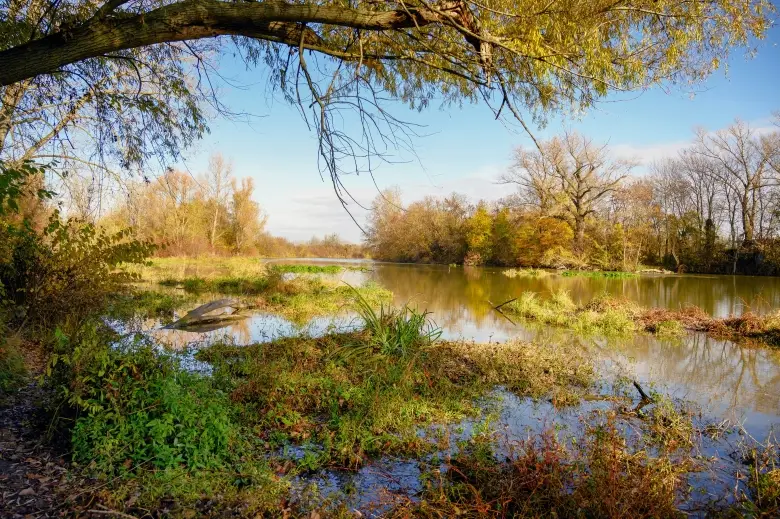
In an era where travel meets technology, we can now explore some of the world’s most fragile and breathtaking ecosystems without leaving our homes. Join us on a virtual journey through ten of the most endangered UNESCO Biosphere Reserves, where conservation efforts are racing against time to preserve our planet’s incredible biodiversity.
- 1. The Sundarbans: Where Tigers Meet the Sea
- 2. Galápagos Islands: Darwin’s Living Laboratory
- 3. Pantanal: South America’s Wetland Wonder
- 4. Cape Floral Kingdom: A Botanist’s Paradise
- 5. Belize Barrier Reef: The Sea’s Rainbow
- 6. Sumatra Rainforest: Land of the Orangutan
- 7. Great Barrier Reef: A Coral Metropolis
- 8. Monarch Butterfly Biosphere Reserve: A Fragile Migration Haven
- 9. Virunga National Park: Gorillas in the Mist
- 10. Everglades National Park: America’s Unique River of Grass
- Conclusion: The Power of Virtual Conservation
1. The Sundarbans: Where Tigers Meet the Sea
Straddling the border of Bangladesh and India, the Sundarbans is the world’s largest mangrove forest. Home to the endangered Bengal tiger, this unique ecosystem faces threats from rising sea levels and human encroachment.
Virtual Highlight: Navigate through narrow water channels, spotting rare birds and maybe even glimpsing the elusive tiger.
2. Galápagos Islands: Darwin’s Living Laboratory
This archipelago off Ecuador’s coast inspired Charles Darwin’s theory of evolution. Today, it’s battling invasive species and the impacts of climate change.
Virtual Highlight: Dive underwater to swim with marine iguanas and giant tortoises.
3. Pantanal: South America’s Wetland Wonder
Covering parts of Brazil, Bolivia, and Paraguay, the Pantanal is the world’s largest tropical wetland. It’s a biodiversity hotspot threatened by agricultural expansion and severe droughts.
Virtual Highlight: Take a virtual canoe ride to spot jaguars, capybaras, and hundreds of bird species.
4. Cape Floral Kingdom: A Botanist’s Paradise
South Africa’s Cape Floral Region is the smallest of the world’s six floral kingdoms, yet it contains an astonishing 3% of the world’s plant species. Urban development and invasive plants endanger this unique area.
Virtual Highlight: Zoom in on the intricate details of rare fynbos plants found nowhere else on Earth.
5. Belize Barrier Reef: The Sea’s Rainbow
The second-largest coral reef system in the world, this Belizean treasure is home to hundreds of fish species and rare marine life. Ocean acidification and overfishing pose significant threats.
Virtual Highlight: Experience a 360-degree view of the vibrant coral gardens and their inhabitants.
6. Sumatra Rainforest: Land of the Orangutan
Indonesia’s Sumatra is one of only two places where orangutans live in the wild. Deforestation for palm oil plantations is rapidly shrinking their habitat.
Virtual Highlight: Climb into the forest canopy for a chance to observe orangutans in their natural habitat.
7. Great Barrier Reef: A Coral Metropolis
Australia’s Great Barrier Reef is the world’s largest coral reef system. Climate change-induced coral bleaching events are threatening this underwater wonder.
Virtual Highlight: Take a virtual dive to explore the reef’s hidden caves and diverse marine life.
8. Monarch Butterfly Biosphere Reserve: A Fragile Migration Haven
This reserve in Mexico is the winter home for millions of monarch butterflies. Illegal logging and climate change disrupt their crucial habitat.
Virtual Highlight: Witness the breathtaking sight of millions of monarchs clustered on fir trees.
9. Virunga National Park: Gorillas in the Mist
Located in the Democratic Republic of Congo, Virunga is Africa’s oldest national park and home to endangered mountain gorillas. Civil unrest and poaching threaten its existence.
Virtual Highlight: Join a virtual trek to observe a family of mountain gorillas in their misty forest home.
10. Everglades National Park: America’s Unique River of Grass
This Florida wetland is the only place in the world where alligators and crocodiles coexist. Water diversion and pollution are major threats to this ecosystem.
Virtual Highlight: Glide through sawgrass marshes on an airboat, spotting diverse wildlife along the way.
Conclusion: The Power of Virtual Conservation
These virtual tours offer more than just armchair travel. They raise awareness about these critical ecosystems, inspire conservation efforts, and provide valuable educational resources. As we explore these endangered biosphere reserves virtually, we’re reminded of the urgent need to protect them in reality.
By experiencing these wonders from home, we can develop a deeper appreciation for our planet’s biodiversity and the challenges it faces. Let these virtual journeys inspire real-world action to preserve these irreplaceable natural treasures for future generations.
Remember, while virtual tours provide incredible access, they also serve as a call to action. Consider supporting conservation organizations working to protect these endangered biosphere reserves. Your involvement, whether through donations, spreading awareness, or responsible tourism in the future, can make a real difference in preserving these natural wonders.