




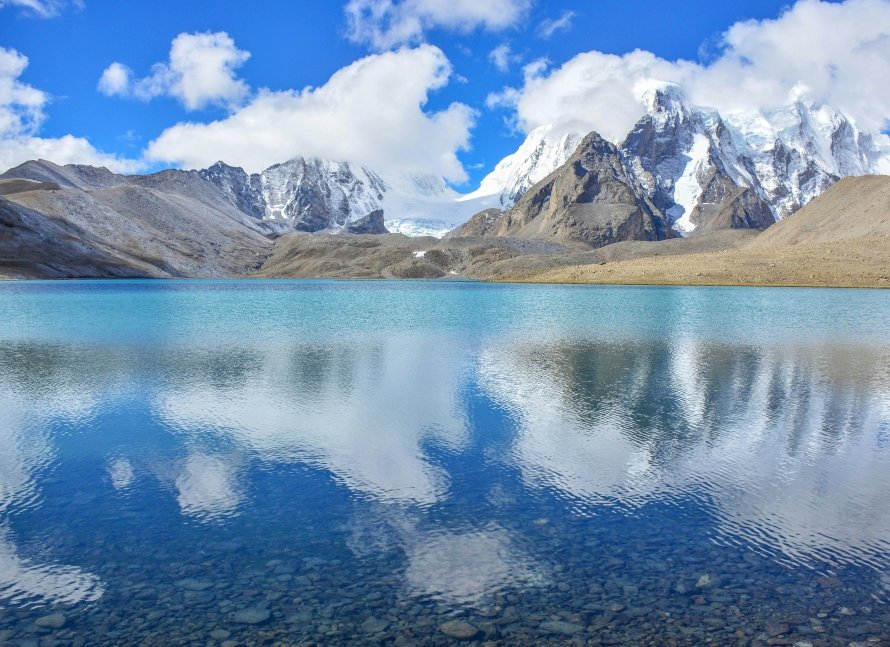
Located in the remote region of North Sikkim, India, Gurudongmar Lake is a hidden gem that’s attracting curious travelers and nature lovers alike. At a staggering altitude of 17,800 feet, this lake is one of the highest in the world and an absolute wonder to behold. With its deep turquoise waters surrounded by snow-clad mountains and prayer flags fluttering in the wind, Gurudongmar is more than just a beautiful lake—it’s a spiritual retreat and an adventurer’s dream. Whether you’re an intrepid traveler looking for off-the-beaten-path locations or simply someone looking to marvel at nature’s splendor, Gurudongmar Lake promises an experience unlike any other.
- The Mesmerizing Beauty of Gurudongmar Lake
- Unique Ecosystem and Wildlife
- The Spiritual Significance of Gurudongmar
- Journey to Gurudongmar Lake: What to Expect
- Activities at Gurudongmar Lake
- Off-the-Beaten-Path Recommendations
- Travel Tips and Practical Information
- Nearby Points of Interest & Landmarks
- Final Thoughts
Gurudongmar Lake is located near the Indo-China border in the northern part of Sikkim, close to the Tibetan Plateau. Named after Guru Padmasambhava, a revered Buddhist saint, it holds significant religious and spiritual importance for both Buddhists and Sikhs. According to local legend, when villagers faced water scarcity due to freezing winters, Guru Padmasambhava blessed a part of the lake to never freeze, allowing them to collect water even during the harshest months.
This mystical story, combined with its serene beauty, has elevated Gurudongmar Lake to a revered status among pilgrims and locals. Given its location in a restricted area, visiting Gurudongmar requires a special permit. The journey isn’t easy—it involves hours of driving through rugged landscapes and high altitudes. However, for those who make the trip, the reward is well worth the effort.
The Mesmerizing Beauty of Gurudongmar Lake
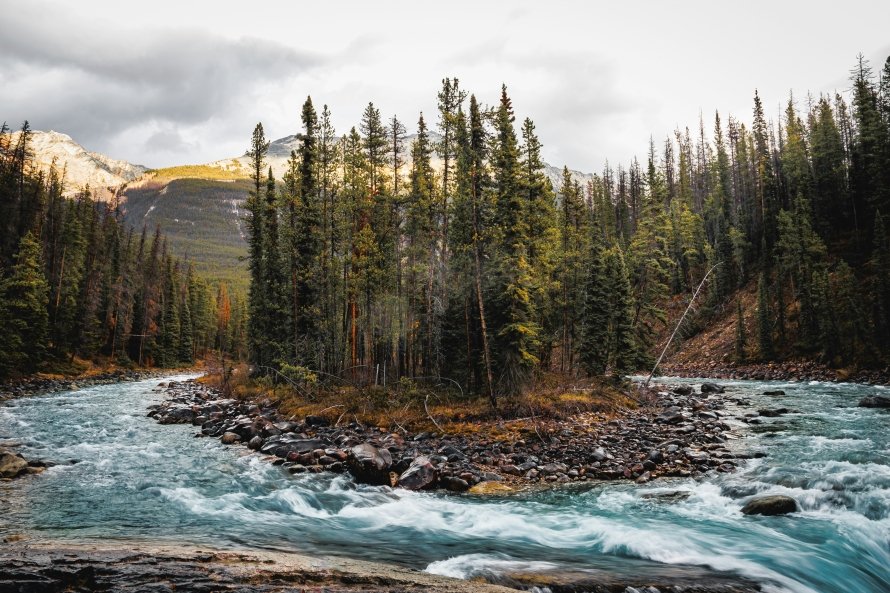
Imagine standing on the shores of a lake that mirrors the sky, with snow-capped mountains rising all around and a landscape that looks like it’s straight out of a painting. Gurudongmar Lake is a visual treat. The turquoise waters, intensified by the clear skies, are pristine and untouched, and the high-altitude air gives everything an ethereal quality.
The lake, frozen for most of the winter, has sections that remain unfrozen due to the Guru’s blessing. This unique combination of ice and water in the lake creates a stunning contrast, especially in winter months, making for perfect photos and unforgettable memories. Surrounded by arid terrain and mountains, the area is sparse, stark, and beautiful in its isolation, inviting visitors to truly disconnect from the hustle of daily life.
Unique Ecosystem and Wildlife
At such an altitude, the ecosystem around Gurudongmar Lake is delicate and fragile, yet fascinating. Because of the cold, only limited vegetation and a few hardy species of animals can survive here. Yak and Blue Sheep can occasionally be spotted grazing nearby. Bird enthusiasts might also catch a glimpse of high-altitude birds like Tibetan snowcocks and cranes.
The Spiritual Significance of Gurudongmar
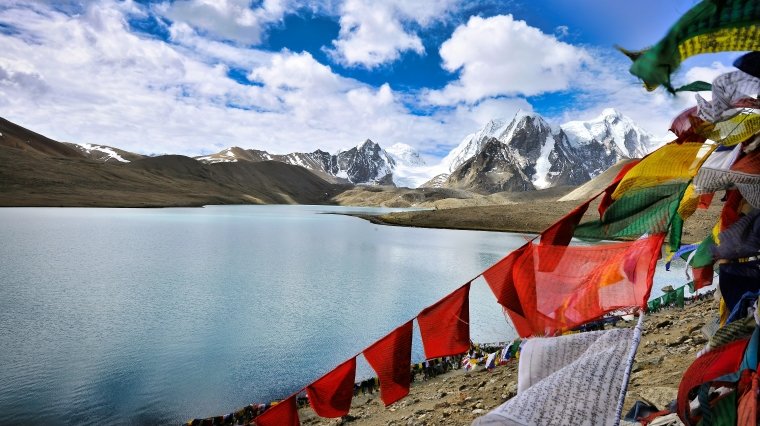
The lake is a sacred site for Buddhists, Hindus, and Sikhs. Its name comes from Guru Padmasambhava, who is believed to have blessed the lake. There’s also a connection to Sikhism, with a belief that Guru Nanak, the first Sikh Guru, visited the lake. Because of these legends, people often take home a bottle of the lake’s water, believing it to have spiritual properties. You’ll also notice prayer flags fluttering near the lake—symbolizing peace and reverence, adding a spiritual ambiance to the pristine environment.
Journey to Gurudongmar Lake: What to Expect
Getting to Gurudongmar is no simple feat. The journey starts from Gangtok, the capital of Sikkim, leading to Lachen—a quaint little village where travelers often spend the night before heading to the lake. The drive from Lachen to Gurudongmar is about 4-5 hours, and it’s challenging, with bumpy roads and high altitudes.
As you ascend, the air gets thinner, and the landscape changes drastically, offering glimpses of snow-laden mountains, rugged terrains, and wide open skies. Travelers often begin the trip early morning to make it to the lake before noon, as weather conditions can become challenging later in the day. While the journey can be arduous, the payoff—an uninterrupted view of Gurudongmar Lake—is a reward like no other.
Activities at Gurudongmar Lake
- Photography: With stunning, untouched landscapes, Gurudongmar Lake is a photographer’s paradise. Capture the unique blend of blue waters, ice formations, and mountains for incredible photos.
- Trekking and Hiking: There are short hikes around the lake area for those interested in exploring the rugged terrain on foot. Note that some areas are restricted.
- Meditation and Reflection: The serene and sacred atmosphere makes Gurudongmar an ideal place for introspection and meditation.
- Bird Watching: The rare birds in the region make it a good spot for bird watchers. Bring your binoculars!
Off-the-Beaten-Path Recommendations
- Chopta Valley: Often overshadowed by Gurudongmar, Chopta Valley is a must-see on the way. Known for its alpine flora, river views, and stunning mountains, it’s an ideal spot to take a detour.
- Thangu Valley: Another gem close to Gurudongmar, Thangu Valley is famous for its beautiful meadows and colorful flowers that bloom in spring and summer.
- Visit to Local Monasteries: Sikkim is dotted with serene monasteries. On your way to Gurudongmar, make a stop at the Lachen Monastery and explore its architecture and learn about the local culture.
- Tso Lhamo Lake: Located even closer to the Tibetan border and higher than Gurudongmar, Tso Lhamo Lake is a challenging and less accessible spot, but for extreme adventure lovers, it’s a hidden wonder.
Travel Tips and Practical Information
- Permits Required: Being close to the Indo-China border, Gurudongmar Lake requires an Inner Line Permit. You can arrange this through a travel agent or in Gangtok.
- Altitude Sickness: The lake’s high altitude makes altitude sickness a real concern. Bring medication and drink plenty of water, and consider taking breaks during the ascent.
- Best Time to Visit: May to October is the best time, when the roads are accessible, and the weather is comparatively mild.
- What to Pack: Warm clothes, even in summer. The temperature can drop drastically. Also, carry some high-energy snacks for the journey.
- Restricted Area: The lake area is under military supervision, so be respectful of the boundaries and instructions. Photography might be restricted in some places.
Nearby Points of Interest & Landmarks
- Lachen Village: Lachen is often the starting point for trips to Gurudongmar. It’s a charming village where you can experience local Sikkimese culture and hospitality.
- Yumthang Valley: Known as the “Valley of Flowers,” this is another beautiful place worth exploring if you have more time in Sikkim. It’s famous for its colorful flowers and hot springs.
- Chungthang: En route to Lachen, Chungthang is another notable stop. A site of significance for both Sikh and Buddhist religions, it has stunning views and is believed to be where Guru Nanak blessed the land.
Final Thoughts
Gurudongmar Lake isn’t just another scenic destination—it’s a unique, mystical experience that leaves a lasting impression on all who visit. From its challenging journey to its spiritual and natural beauty, the lake offers a sense of accomplishment and peace that’s rare to find. Though it may require some effort to reach, Gurudongmar rewards travelers with memories they’ll cherish forever.
[put_wpgm id=146]