




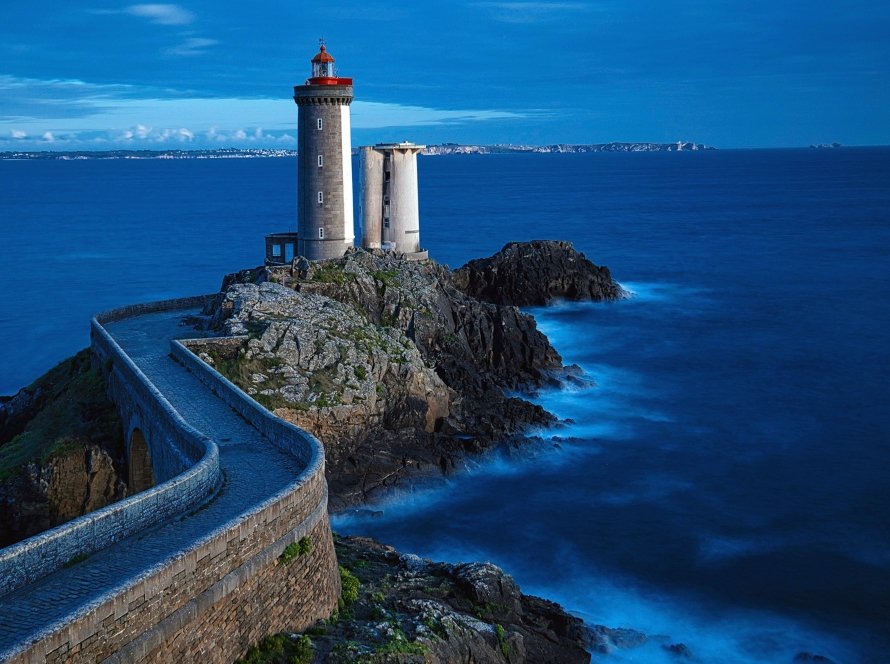
The Petit Minou Lighthouse, located in the stunning Finistère department of Brittany, France. A beacon of history and natural beauty, this lighthouse has guided sailors safely into the Brest harbor for over a century. Whether you’re a history enthusiast, a lighthouse lover, or just someone looking to experience Brittany’s rugged charm, Petit Minou is a must-visit. This guide will uncover the fascinating history, captivating legends, and travel tips to make the most of your trip to one of France’s most scenic coastal landmarks.
- The History of Petit Minou Lighthouse: From Maritime Need to Iconic Landmark
- Early Maritime Needs
- The Lighthouse’s Construction and Evolution
- World War II and the Lighthouse’s Role
- Lighthouse Description: Petit Minou’s Striking Coastal Setting
- Interesting Facts: Legends and Mysteries of Petit Minou Lighthouse
- Did You Know?
- Getting There: Practical Tips for Visiting Petit Minou Lighthouse
- Final Thoughts: Why Petit Minou Lighthouse Should Be on Your Travel List
The History of Petit Minou Lighthouse: From Maritime Need to Iconic Landmark
Early Maritime Needs
Petit Minou Lighthouse, or Phare du Petit Minou in French, was built out of necessity. The coast of Brittany is famously rugged, with strong tides and frequent fog creating dangerous conditions for passing ships. Located at the entrance of the Goulet de Brest, the strategic gateway to the port city of Brest, this lighthouse was essential in guiding vessels safely through the narrow channel.
In the early 19th century, the French government recognized the need for a lighthouse to aid in navigation, as this area was notorious for shipwrecks. Construction began in 1848, led by the engineers of the Service des Phares et Balises, a division of the French Ministry of Public Works responsible for lighthouses and beacons.
The Lighthouse’s Construction and Evolution
The Petit Minou Lighthouse was completed in 1848, standing 26 meters tall (about 85 feet) with a range of 20 nautical miles. Its light source was initially oil lamps, later upgraded to an electric system, which vastly improved its range and visibility. The lighthouse’s stone structure was built to withstand the harsh coastal weather, using granite from the surrounding region. Over the years, upgrades have continued, with a 1960s automation that eventually removed the need for a live-in lighthouse keeper. However, it remained manned until 1989 to oversee its operations and make emergency repairs if necessary.
The word “Minou” in Breton, the local language, translates to “small promontory,” referring to the rocky headland on which the lighthouse stands. The lighthouse’s distinctive red-and-white pattern helps it stand out along the coastline, acting as both a navigational aid and a beloved symbol of Finistère.
World War II and the Lighthouse’s Role
During World War II, Petit Minou Lighthouse and the surrounding region played a crucial role in the German-occupied “Atlantic Wall” defenses. The Germans used the lighthouse as an observation point due to its strategic location overlooking the Brest harbor. After the war, Petit Minou became a proud symbol of resilience for the people of Brittany, embodying both the hardships endured and the beauty preserved through challenging times.
Lighthouse Description: Petit Minou’s Striking Coastal Setting
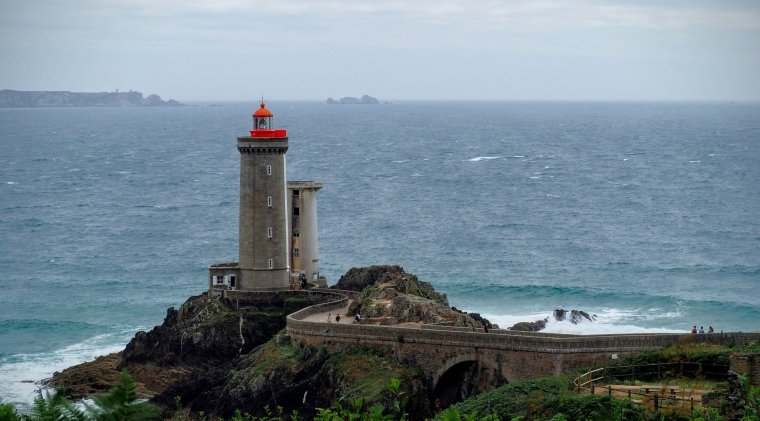
Petit Minou Lighthouse is perched on a rocky cliff overlooking the Atlantic Ocean, with waves crashing dramatically below. The lighthouse itself stands at 26 meters (about 85 feet) and is painted in a striking combination of white with red detailing on the lantern room at the top. Its focal height, or the height of the light above sea level, is approximately 34 meters (112 feet), ensuring it can be seen from afar by incoming vessels.
One of the most iconic features of Petit Minou is its stone bridge that connects the lighthouse to the mainland. This arched pathway adds to its charm, especially at high tide when the bridge appears to hover above the water, providing a stunning backdrop for photographers. The pathway and the wild scenery make this lighthouse a favorite spot for artists, photographers, and travelers.
From the lighthouse’s position on the headland, visitors can enjoy panoramic views of the rugged Breton coast, the open ocean, and the entrance to Brest Harbor. On clear days, it’s even possible to spot other lighthouses in the distance, including the Le Four and La Jument lighthouses, adding to the sense of being surrounded by historic beacons of light.
Interesting Facts: Legends and Mysteries of Petit Minou Lighthouse
The “Sleeping Dragon” Legend
One of the most intriguing local legends involves the headland where Petit Minou Lighthouse stands. Locals say that the shape of the rocky coast, when viewed from certain angles, resembles a sleeping dragon. This mythical creature is said to protect the coast, watching over the sailors and keeping the lighthouse safe from storms and other dangers. This story has added to the allure of Petit Minou, making it feel as though you’re stepping into a fairy tale as you approach the lighthouse.
The Ghostly Keeper’s Tale
Another tale that adds a hint of mystery is the story of a ghostly lighthouse keeper who supposedly roams the grounds of Petit Minou. Some say that during particularly stormy nights, the shadowy figure of a former keeper can be seen walking along the stone bridge, as if ensuring the lighthouse continues its duty of guiding ships safely to shore. While there’s no historical basis for this tale, it remains popular with locals and tourists alike, adding a touch of the supernatural to the lighthouse’s history.
Did You Know?
- Unique Light Pattern: Petit Minou’s light has a unique red-and-white flashing sequence, which helps sailors distinguish it from other nearby lighthouses along the Breton coast.
- Famous Filming Location: Petit Minou Lighthouse has been featured in various French films and photography collections, showcasing its stunning views and timeless charm.
- Popular Among Surfers: The nearby Plage du Minou is a popular spot for surfers, offering waves and scenery that attract visitors from across France and beyond.
Getting There: Practical Tips for Visiting Petit Minou Lighthouse
Petit Minou Lighthouse is located just 20 minutes from the city of Brest, making it easily accessible for travelers.
- By Car: If you’re traveling by car, take the D789 from Brest toward Plouzané, and follow signs for Petit Minou. There’s a parking area near the lighthouse, but it can fill up quickly, especially during peak seasons.
- Public Transportation: While there’s no direct public transportation to the lighthouse, you can take a bus from Brest to the village of Plouzané and then walk or take a taxi for the final stretch.
- Walking and Hiking: For those who enjoy hiking, Petit Minou is part of the GR34, a famous coastal trail that winds along Brittany’s coastline. Walking along this route provides scenic views and the chance to experience more of the region’s natural beauty.
- Best Time to Visit: The lighthouse is accessible year-round, but the best time to visit is during spring and summer when the weather is milder. Sunsets are particularly spectacular, casting warm hues over the lighthouse and the rocky shore.
Final Thoughts: Why Petit Minou Lighthouse Should Be on Your Travel List
Petit Minou Lighthouse is a must-see destination for anyone visiting Brittany. With its rugged coastal charm, rich history, and breathtaking views, it embodies the spirit of France’s northwestern coast. Whether you’re fascinated by maritime history, intrigued by local legends, or simply in search of a beautiful spot to take in the natural splendor of Finistère, Petit Minou won’t disappoint. So pack your camera, bring your sense of adventure, and prepare to be captivated by this beautiful beacon on Brittany’s unforgettable coast.
[put_wpgm id=174]