




If you’re searching for a destination where nature’s drama unfolds in every direction, Durmitor National Park in Montenegro is calling your name. A UNESCO World Heritage Site, this park is a playground for adventurers and nature lovers alike. From glacial lakes and dense pine forests to jaw-dropping peaks and Europe’s deepest canyon, Durmitor is a feast for the senses. Whether you’re hiking to hidden vistas, rafting the wild Tara River, or soaking in the serenity of Black Lake, this park promises an unforgettable escape into the wild. Ready to discover Montenegro’s best-kept secret?
Durmitor National Park, located in the rugged northwest of Montenegro, is a testament to the raw power of nature. Established in 1952, the park spans over 39,000 hectares and includes the towering Durmitor Massif, the Tara River Canyon, and 18 glacial lakes known as “mountain eyes.” Its unique geography, shaped by glaciers and rivers, is home to breathtaking landscapes that have enchanted travelers for decades.
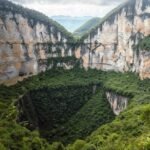
The park’s star feature, the Tara River Canyon, is the deepest in Europe and the second-deepest in the world, rivaled only by the Grand Canyon. The area’s rich biodiversity, coupled with its cultural significance for the Montenegrin people, makes it one of the country’s most treasured natural landmarks.
1. Natural Beauty Beyond Compare
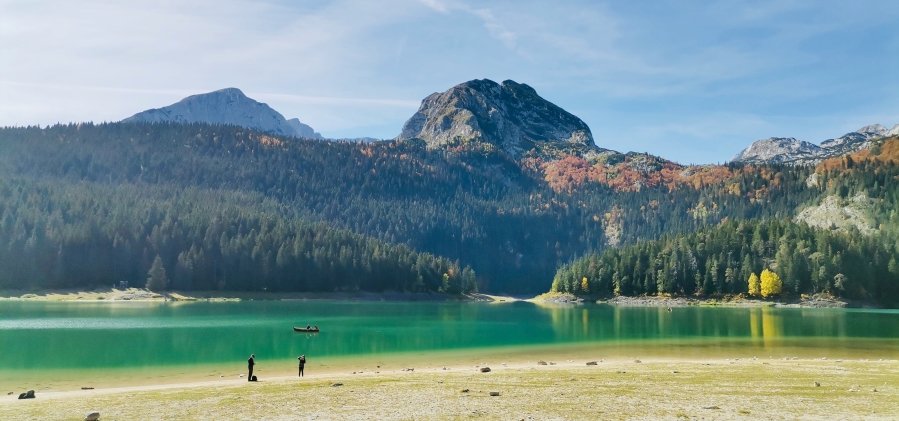
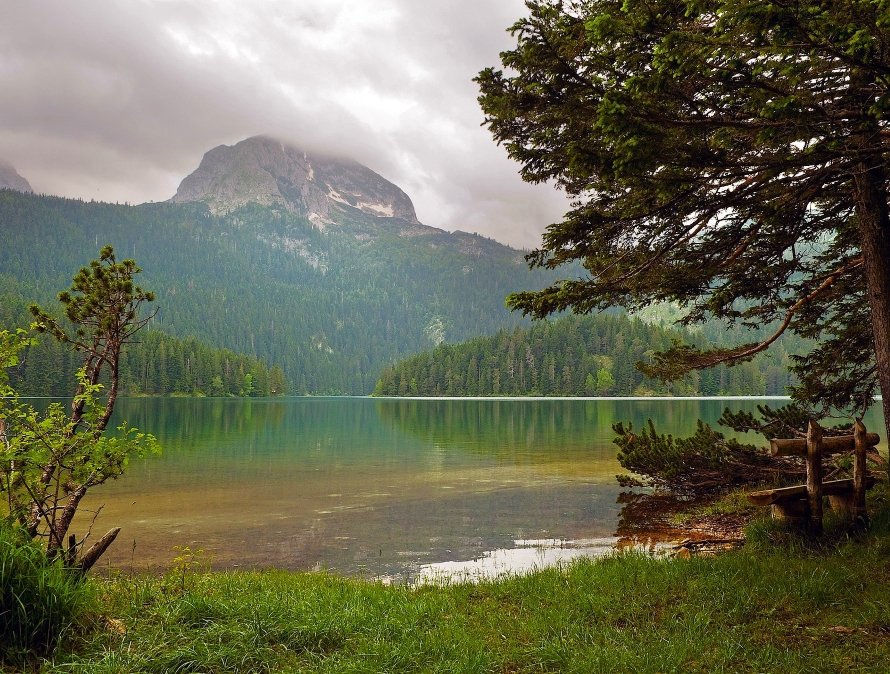
Durmitor is a dream for those who love unspoiled landscapes. The Durmitor Massif boasts over 48 peaks higher than 2,000 meters, with Bobotov Kuk standing tall at 2,523 meters. The park’s glaciers have left their mark with 18 stunning lakes, the most famous being Crno Jezero (Black Lake). Surrounded by dense forests, it’s a perfect starting point for exploring the park.
2. Tara River Canyon: A Natural Wonder
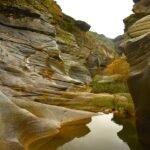
Stretching 82 kilometers, the Tara River Canyon is the crown jewel of the park. Known for its turquoise waters and steep cliffs, the canyon is a haven for adrenaline junkies. The Tara River’s rapids make it one of the best spots in Europe for white-water rafting. And if you’re not into water sports, don’t worry—the views alone are worth the trip.
3. A Land of Legends
Local myths add a layer of mystique to Durmitor. Some say the lakes were formed by tears of a mourning fairy, while others believe the mountains were created by giants. The name “Durmitor” itself is thought to derive from the Celtic word “dru-mi-tor,” meaning “sleeping mountain,” a nod to its serene majesty.
Durmitor National Park Top Attractions
- Crno Jezero (Black Lake): The park’s most famous glacial lake, perfect for hiking and relaxing.
- Bobotov Kuk: The highest peak in the park, offering breathtaking views for those brave enough to climb it.
- Tara River Canyon: Europe’s deepest canyon, ideal for rafting and photography.
- Đurđevića Tara Bridge: An architectural marvel spanning the Tara River, with panoramic views.
- Ice Cave (Ledena Pećina): A hidden gem on Durmitor’s slopes, showcasing spectacular ice formations year-round.
Durmitor National Park Wildlife
Durmitor is a biodiversity hotspot. The park is home to over 1,500 plant species, many of which are endemic to the region. Wildlife enthusiasts may spot:
- Bears and Wolves: The park’s elusive predators.
- Chamois: Agile mountain goats often seen on rocky outcrops.
- Golden Eagles: Soaring above the peaks.
- Butterflies: Over 130 species, making it a paradise for insect lovers.
Durmitor National Park Activities
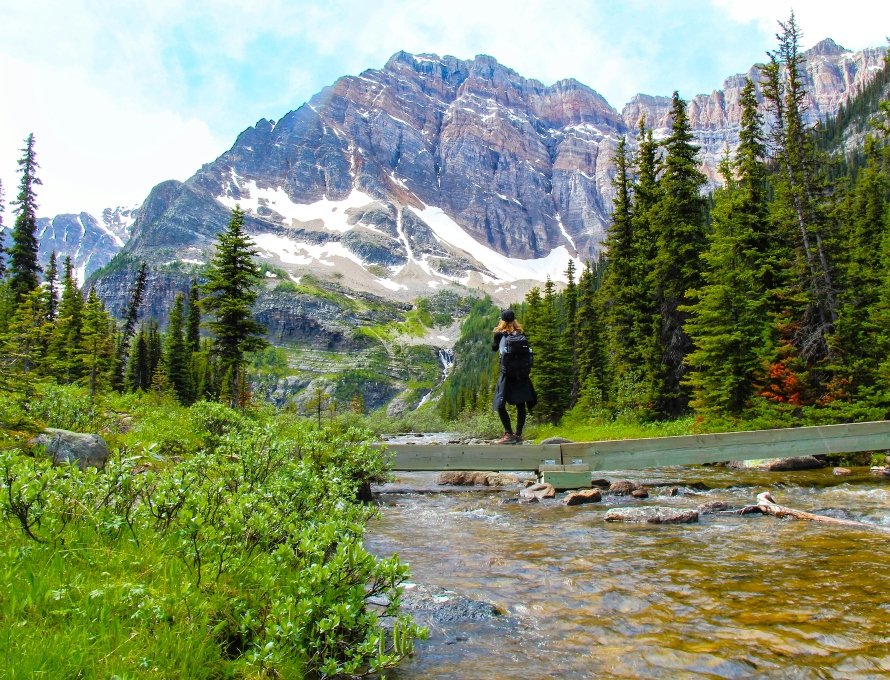
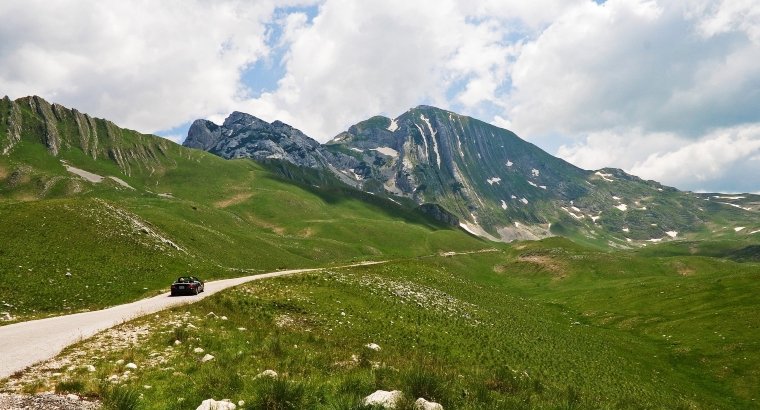
- Hiking: Trails range from leisurely walks around Black Lake to challenging climbs up Bobotov Kuk.
- White-Water Rafting: The Tara River is a top destination for adrenaline-pumping rafting.
- Cycling: Scenic mountain biking routes weave through the park.
- Camping: For a full immersion in nature, pitch a tent under the stars.
- Skiing and Snowboarding: Visit in winter to enjoy the snow-covered slopes of Savin Kuk.
Durmitor National Park Best Time to Visit
Durmitor National Park is a year-round destination, but the experience varies by season:
- Spring (April-May): Ideal for wildflowers and mild weather.
- Summer (June-August): Perfect for hiking, rafting, and exploring the lakes.
- Autumn (September-October): A quieter time with stunning fall foliage.
- Winter (November-March): A snowy wonderland for skiing and snowboarding.
Durmitor National Park Practical Information
- Entry Fee: Around €3 per person, with additional fees for parking and guided tours.
- Facilities: Restrooms, picnic areas, and small cafes near popular sites like Black Lake.
- What to Bring: Comfortable hiking shoes, a reusable water bottle, sunscreen, and a camera to capture the stunning scenery.
Durmitor National Park Getting There
- By Car: Durmitor is a 2.5-hour drive from Podgorica, Montenegro’s capital.
- By Bus: Buses run from Podgorica to Žabljak, the gateway town to the park.
- By Plane: The closest airport is Podgorica International Airport, with car rentals available.
Durmitor National Park Nearby Attractions
- Biogradska Gora National Park: Another Montenegrin gem, famous for its pristine forests.
- Piva Lake: A stunning reservoir surrounded by dramatic cliffs.
- Ostrog Monastery: A breathtaking cliffside monastery, one of Montenegro’s spiritual landmarks.
- Cetinje: The old royal capital, rich in history and culture.
Final Thoughts
Durmitor National Park isn’t just a destination; it’s an experience that lingers in your heart long after you’ve left. Whether you’re chasing thrills, soaking in serene beauty, or marveling at the wonders of nature, this Montenegrin treasure has something for everyone. So, pack your bags, lace up your boots, and get ready to explore one of Europe’s most breathtaking national parks.