




The Sidonian Burial Caves in Beit Guvrin, Israel, offer a fascinating glimpse into a rich and mysterious past. Tucked away in the Beit Guvrin National Park, these caves are a must-visit for history buffs, archaeology enthusiasts, and curious travelers alike. Ready to uncover their secrets? Let’s dive in!
The Sidonian Burial Caves are part of the Beit Guvrin-Maresha National Park, a UNESCO World Heritage Site celebrated for its “Caves of Maresha and Bet Guvrin in the Judean Lowlands.” These caves date back to the Hellenistic period (3rd–2nd centuries BCE) when Beit Guvrin was a thriving city under Greek influence. The caves were named after the Sidonians, an ancient Phoenician people who lived in what is now modern-day Lebanon.
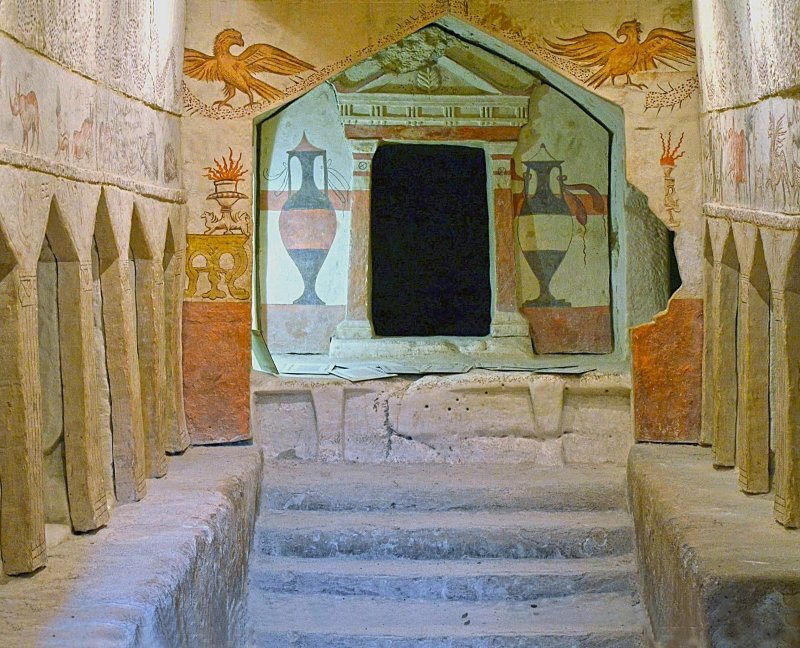
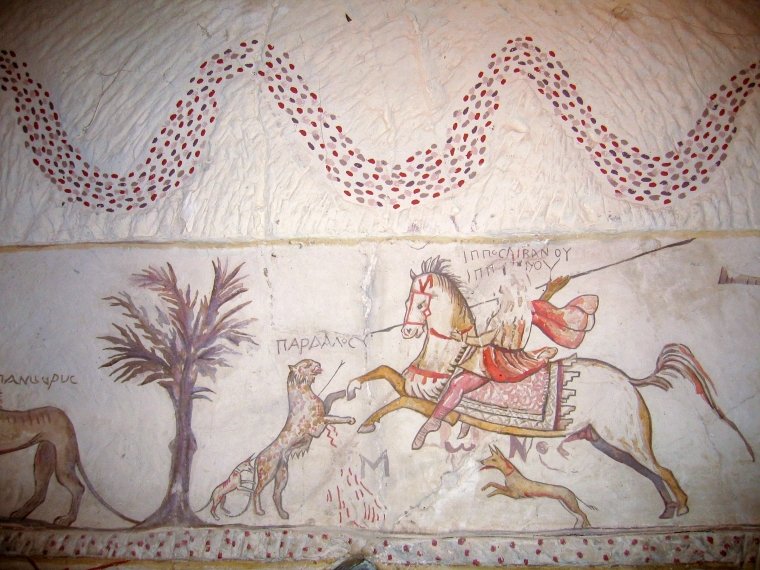
These burial caves were not just graves but elaborate burial chambers adorned with frescoes, carvings, and inscriptions reflecting the cultural melting pot of the time. With influences from Greek, Egyptian, and local Jewish traditions, the artwork and inscriptions found in the caves reveal the unique blend of beliefs and practices that defined the era.
The caves were rediscovered in the 20th century, and since then, they have become a focal point for both archaeological research and tourism. Today, visitors can explore these subterranean wonders, marveling at their intricate designs and learning about the ancient rituals performed here.
Main Attraction: The Sidonian Burial Caves
Descending into the caves feels like entering another world. The walls are adorned with vibrant frescoes depicting mythological scenes, animals, and symbolic motifs. One of the most striking features is the fresco of the three-headed Cerberus, the mythical guardian of the underworld, painted on the walls of the main chamber.
The cave’s layout includes several chambers connected by narrow passages. Each chamber served a specific purpose, from housing sarcophagi to conducting burial ceremonies. The inscriptions in Greek and Phoenician shed light on the identities and professions of those buried here, providing a personal touch to the historical narrative.
One of the most fascinating aspects of the Sidonian Burial Caves is their exceptional preservation. Unlike many ancient sites that have succumbed to time and erosion, these caves retain much of their original charm. The cool, dark environment has helped protect the frescoes and carvings, allowing visitors to experience them almost as they were centuries ago.
Legends and Theories
The Sidonian Burial Caves are not just a historical marvel, they’re also steeped in legends and mysteries that captivate the imagination. Local folklore suggests that the caves were once guarded by spirits of the deceased, tasked with protecting the sanctity of the chambers. Some tales even claim that hidden treasures lie buried within the walls, left behind by the Sidonians to accompany their dead in the afterlife.
The depiction of Cerberus in the frescoes has also sparked various theories. Some believe it symbolizes the journey of the soul through the underworld, guided by mythological guardians. Others argue that it reflects the influence of Greek mythology on the local burial customs, blending spiritual beliefs into a cohesive narrative.
Archaeologists have speculated about the purpose of specific chambers, suggesting that some areas might have been used for rituals to honor the dead or communicate with the spirit world. The combination of Greek and Phoenician elements hints at a syncretic approach to death and the afterlife, making these caves a unique window into ancient spiritual practices.
Interesting Facts and Key Points
- Multicultural Melting Pot: The caves showcase a blend of Greek, Phoenician, and local Jewish influences, making them a testament to the cultural diversity of the Hellenistic period.
- UNESCO World Heritage Status: The Beit Guvrin-Maresha National Park was inscribed as a UNESCO World Heritage Site in 2014, recognizing its global importance.
- Unique Frescoes: The artwork includes depictions of mythical creatures, including the aforementioned Cerberus, and real animals like lions and eagles, symbolizing power and protection.
- Echoes of History: The inscriptions found in the caves reveal not just names but also professions, offering a glimpse into the daily lives of those who lived in ancient Beit Guvrin.
- Preservation Efforts: Ongoing conservation work ensures that these caves remain accessible to future generations while protecting their delicate frescoes and carvings.
Travel Tips and Practical Information
- Getting There: Beit Guvrin is located about 60 kilometers southwest of Jerusalem and 85 kilometers from Tel Aviv. It’s easily accessible by car, and there are guided tours available from major cities.
- Best Time to Visit: Spring (March–May) and autumn (September–November) offer pleasant weather for exploring the caves and the surrounding park.
- What to Bring: Comfortable shoes, water, and a flashlight (though the caves are lit, an extra light can enhance your experience).
- Guided Tours: Joining a guided tour can provide deeper insights into the history and significance of the caves. Many tours are available in multiple languages.
- Entry Fees: Check the official Beit Guvrin National Park website for up-to-date ticket prices and opening hours.
Nearby Points of Interest and Landmarks
- Bell Caves: Another highlight of Beit Guvrin National Park, these massive man-made caverns were quarried during the Byzantine and Early Islamic periods.
- Tel Maresha: The ancient city of Maresha, with its fascinating underground complexes and olive presses, is a short distance from the burial caves.
- Eleutheropolis Ruins: Located nearby, this site contains remains of a significant Roman-Byzantine city.
- Lachish National Park: A short drive away, Lachish offers a chance to explore the ruins of an ancient Judean city, complete with a monumental gate and siege ramp.
- Wine Tasting in the Judean Hills: The area is renowned for its vineyards, so why not pair your historical adventure with a wine tour?
Recap
The Sidonian Burial Caves in Beit Guvrin are more than just an archaeological site; they’re a journey through time and culture. From their intricate frescoes and inscriptions to their connection with ancient civilizations, these caves offer a unique and enriching experience for all visitors. Whether you’re a history enthusiast, a casual traveler, or someone seeking a new adventure, the caves and their surroundings are sure to leave you in awe.
So, what are you waiting for? Pack your bags, lace up your walking shoes, and get ready to uncover the secrets of the Sidonian Burial Caves—a hidden gem waiting to be explored!