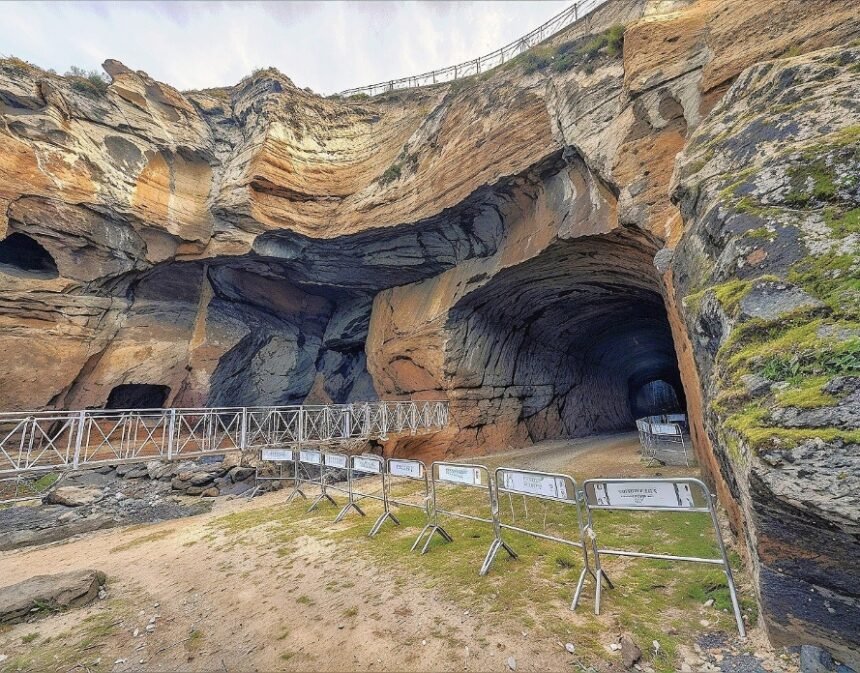
Situated within the ancient ruins of Cumae, Italy, lies a mystical grotto shrouded in myth and legend: the Antro della Sibilla, or Sibyl’s Cave. This enigmatic site was said to be the home of the Cumaean Sibyl, a prophetic priestess whose cryptic messages shaped the destinies of kings and empires. With its intriguing blend of history, mythology, and breathtaking scenery, the Sibyl’s Cave offers a journey back in time to the days of the Roman Empire and beyond. Ready to uncover its secrets? Let’s explore what makes this ancient wonder a must-visit destination.
The Antro della Sibilla is located in the ancient city of Cumae, one of the oldest Greek settlements in Italy, established around 750 BCE. Cumae’s strategic position near the Gulf of Naples made it a cultural and religious hub for centuries. Among its most renowned landmarks is the Sibyl’s Cave, a man-made tunnel carved into the tufa rock of the surrounding cliffs.
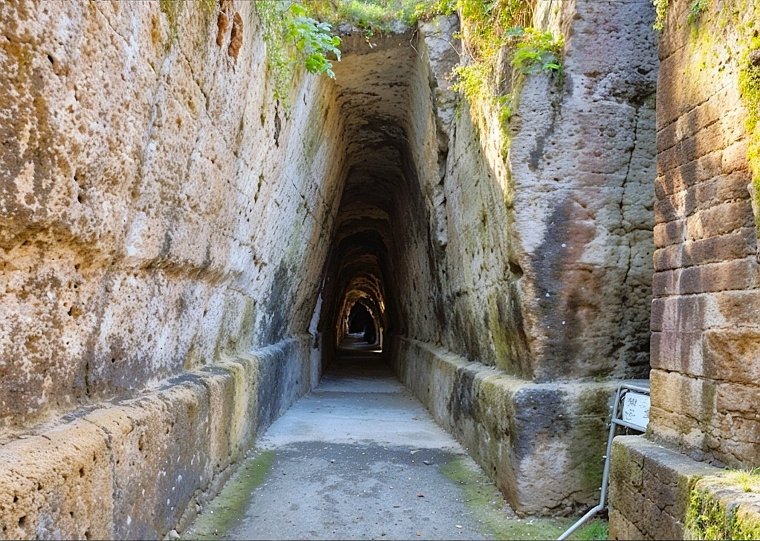
According to mythology, the Sibyl was a prophetess chosen by Apollo to deliver divine messages. Her cryptic prophecies, often written on leaves, were sought by rulers and generals seeking guidance. The cave itself, with its mysterious trapezoidal shape and series of chambers, was thought to be her sanctuary.
Cumae’s significance extended far beyond mythology. The city was a center of Greek and Roman culture, influencing the development of early Roman religion and governance. Today, the ruins of Cumae, including the Sibyl’s Cave, offer a fascinating glimpse into a world where myth and history intertwine.
The Main Attraction: A Walk Through the Sibyl’s Cave
As you approach the Antro della Sibilla, the sense of stepping into an ancient legend is palpable. The entrance to the cave is marked by a dramatic archway, leading visitors into a long trapezoidal corridor. The design of the tunnel, with its precise angles and narrow slits that let in natural light, creates an atmosphere both eerie and awe-inspiring.
The cave extends over 130 meters and includes multiple chambers and niches, each adding to its mystery. Some believe these rooms were used for religious rituals or as places where the Sibyl’s followers awaited her prophecies. At the end of the corridor lies a large open chamber, often associated with the Sibyl’s sanctuary, where she would deliver her cryptic predictions.
While its exact purpose remains debated, the cave’s construction is a testament to the ingenuity of ancient engineers. The alignment of the structure with the surrounding landscape hints at a deeper connection to the natural and spiritual worlds.
Interesting Facts and Key Points
- Trapezoidal Design: The unique shape of the corridor was likely intentional, allowing for better acoustics and ventilation, as well as enhancing the mystical ambiance.
- Mythical Connections: The Sibyl’s Cave is linked to Virgil’s Aeneid, where Aeneas consults the Cumaean Sibyl before descending into the Underworld.
- Apollo’s Influence: Legends say the Sibyl was granted a thousand-year lifespan by Apollo, but her body withered over time, leaving only her voice.
- Historical Layers: The site has seen Greek, Roman, and early Christian influences, with remnants of each era visible in its surroundings.
- Archaeological Debate: Some experts argue that the cave was not solely a Sibyl’s sanctuary but also served as a defensive or military structure.
Travel Tips and Practical Information
Planning to visit the Antro della Sibilla? Here’s what you need to know:
- Best Time to Visit: Spring and autumn offer mild weather, making it ideal for exploring the cave and the surrounding ruins.
- How to Get There: Cumae is approximately 25 kilometers from Naples. You can reach it by car or public transport, with buses running regularly from Naples.
- Guided Tours: Opt for a guided tour to learn about the cave’s history, mythology, and architectural features in detail.
- What to Bring: Comfortable walking shoes, a water bottle, and a flashlight (though the cave has some natural light, certain areas can be dim).
- Accessibility: The cave and its surroundings have uneven terrain, so plan accordingly if you have mobility challenges.
Nearby Points of Interest and Landmarks
While the Sibyl’s Cave is the star attraction, Cumae and its surroundings are brimming with historical and natural wonders:
- Temple of Apollo: Located near the cave, this ancient temple offers stunning views of the Bay of Naples.
- Temple of Jupiter: Another remarkable ruin within the archaeological park, showcasing the grandeur of Roman architecture.
- Baiae Thermal Baths: A short drive away, these ancient Roman baths are a testament to luxurious living in antiquity.
- Pozzuoli: This nearby town features the Flavian Amphitheater, the third-largest Roman amphitheater in Italy.
- Campi Flegrei (Phlegraean Fields): A volcanic area with fumaroles, crater lakes, and otherworldly landscapes.
Recap
The Antro della Sibilla is more than just a cave, it’s a gateway to the past, where history, mythology, and nature converge. From its awe-inspiring architecture to its legendary tales, the Sibyl’s Cave offers a unique experience that lingers long after you’ve left. Pair your visit with nearby attractions, and you’ll walk away with a deeper appreciation for the wonders of ancient Italy. So, why wait? Let the Sibyl’s whispers guide you to your next adventure!