




Located in the serene countryside of Trigueros, Andalucía, lies one of Spain’s most underrated prehistoric wonders—Dolmen de Soto. This ancient megalithic structure, over 5,000 years old, offers a fascinating glimpse into the past. While not as famous as other European monuments, the Dolmen de Soto is just as awe-inspiring. If you’re into history, archaeology, or just love exploring unique and lesser-known spots, this is a must-visit. Whether you’re road-tripping through Andalucía or looking for an off-the-beaten-path day trip, this dolmen will blow your mind!
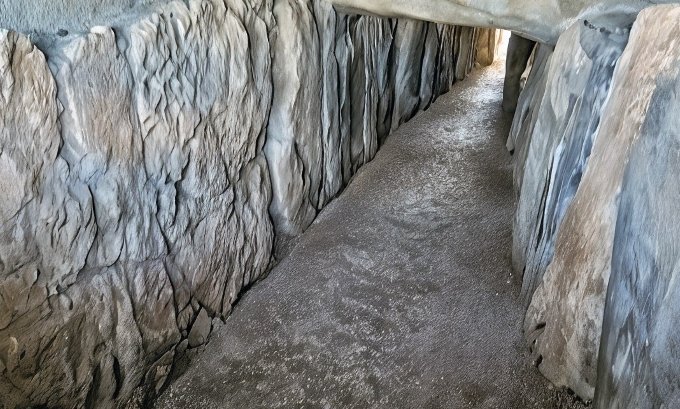
Dolmen de Soto is part of the Chalkolithic period, a time when the transition from the Neolithic to the Bronze Age took place. Discovered in 1922 by Armando de Soto (hence its name), the dolmen is one of the largest of its kind in Spain, stretching over 20 meters in length. Unlike other similar structures, the Dolmen de Soto is a corridor tomb, meaning it consists of a long passageway lined with enormous stones leading to a central burial chamber. Experts believe this monument was used for ritualistic purposes, possibly as a site for burials, sacrifices, or even astronomical observations.
Located in the quiet town of Trigueros in Huelva province, this site offers a unique blend of history, archaeology, and natural beauty. It’s hard to believe that such a monumental structure was crafted thousands of years ago without modern tools or technology. To this day, the dolmen remains shrouded in mystery, with researchers continuously studying its origins and purpose. One thing’s for sure—it was built with careful precision and possibly aligned with the movements of the sun or stars.
The History Behind Dolmen de Soto
The Dolmen de Soto was discovered by chance during farming activities. Since then, it has been the subject of extensive archaeological digs. Researchers found human remains, pottery, and tools, all of which indicate that the site was likely a communal burial ground used by early inhabitants of the Iberian Peninsula. The orientation of the dolmen is particularly fascinating—it aligns perfectly with the sunrise during the equinoxes, leading many to believe that the builders had a deep understanding of astronomy.
Dolmen de Soto stands out because of its sheer size and architectural complexity. The stones used to build it were transported from several kilometers away, which means the community who built it had to work together to move these massive slabs of rock, using only rudimentary tools. This showcases not just their strength, but their intelligence and capacity for collaboration.
Exploring the Structure
Walking through the dolmen feels like stepping back in time. As you enter the stone-lined corridor, you can’t help but feel a sense of wonder about what life must have been like for the people who built this monument. The burial chamber at the end of the corridor is particularly impressive—its large stone roof is supported by megaliths, creating a striking sense of space and calm.
One of the most exciting things about Dolmen de Soto is the rock art found on the stones. These carvings depict abstract symbols, geometric shapes, and even humanoid figures. Some experts believe these were ritualistic symbols, while others think they may have been a form of ancient communication.
Why Visit Dolmen de Soto?
This megalithic monument isn’t just for history buffs. It’s a place of peace and reflection, surrounded by the stunning Andalusian countryside. If you’re looking to escape the crowds of nearby tourist-heavy spots like Seville or Córdoba, Dolmen de Soto offers a serene, thought-provoking experience.
The surrounding landscape is equally captivating, making it a great spot for a picnic or a quiet moment to soak in the history and atmosphere. Plus, the site is easily accessible, with parking and clear paths to the dolmen itself.
Off-the-Beaten-Path Recommendations:
- Visit during sunrise or sunset to witness how the dolmen aligns with the sun’s movements. It adds a mystical dimension to your experience!
- Take a guided tour if available, or look for an audio guide. This will give you more in-depth information about the dolmen’s significance and history.
- Pack a picnic and enjoy the tranquil environment. The fields surrounding the dolmen are perfect for a peaceful afternoon escape.
- Bring a journal or sketchpad—the site’s unique atmosphere might inspire some creativity!
[put_wpgm id=99]
Travel Tips and Practical Information:
- Location: Dolmen de Soto is located just outside Trigueros, about 20 km from Huelva.
- Opening Hours: Check the official website for the most up-to-date hours. It’s usually open daily but may close for holidays or maintenance.
- Entry Fee: Entry is free, but donations are welcome to help with site maintenance.
- Best Time to Visit: Spring and fall are ideal, offering cooler weather and beautiful natural surroundings. Summer can be hot, so visit in the morning or late afternoon.
- What to Bring: Comfortable walking shoes, sunscreen, and plenty of water if you’re visiting in the warmer months.
Nearby Points of Interest & Landmarks:
- La Rábida Monastery: Just a short drive from Dolmen de Soto, this is where Christopher Columbus stayed before setting sail for the New World.
- Muelle de las Carabelas: A maritime museum in Palos de la Frontera featuring replicas of Columbus’ ships.
- Doñana National Park: A UNESCO World Heritage Site and one of Europe’s most important wetlands, perfect for birdwatching and nature enthusiasts.
- The town of Trigueros: A charming Andalusian village where you can explore local culture, try traditional tapas, and wander through the narrow streets.
Final Thoughts:
Dolmen de Soto is not just a pile of rocks—it’s a testament to the ingenuity, spirituality, and sense of community of prehistoric people. If you’re looking for a unique, tranquil, and deeply historical experience in Andalucía, this is a site worth visiting. Its peaceful atmosphere and fascinating history will leave you pondering the mysteries of ancient civilizations long after your visit.