Introduction
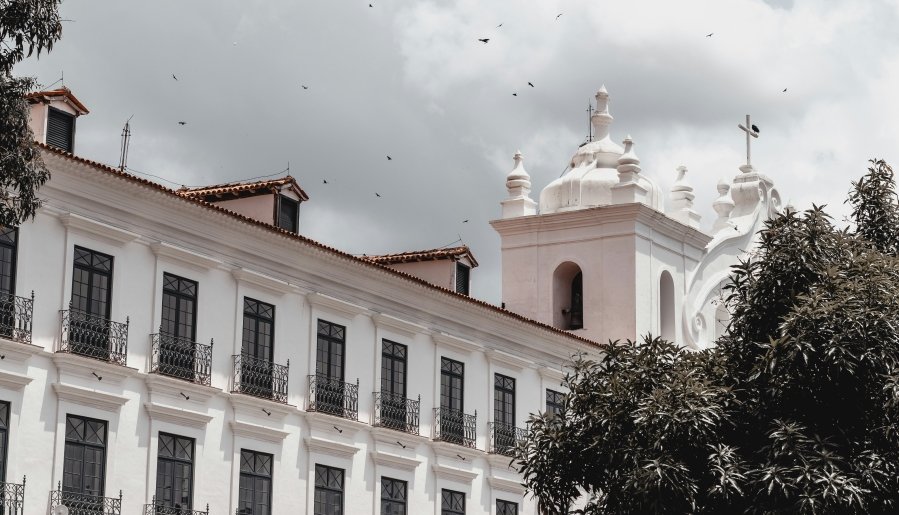
Imagine a city in the heart of the Amazon rainforest, where the lush green of the jungle meets the sinuous curves of European Art Nouveau. Welcome to Belém, the gateway to the Amazon and once the jewel of Brazil’s rubber boom. In the late 19th and early 20th centuries, this tropical metropolis experienced a cultural and architectural renaissance known as the Belle Époque. Let’s embark on a journey through time and space to explore how Art Nouveau transformed Belém into a Paris of the tropics.
The Rubber Boom: Setting the Stage
To understand Belém’s Art Nouveau legacy, we need to step back to the late 1800s. The world was gripped by rubber fever, and the Amazon was ground zero. Belém, strategically located at the mouth of the Amazon River, became the main port for exporting this “white gold.”
Suddenly, this once-sleepy colonial outpost was flooded with wealth. The nouveau riche rubber barons, eager to display their fortunes, looked to Europe for inspiration. And what style was all the rage in Paris, Brussels, and Vienna? You guessed it – Art Nouveau.
Art Nouveau: A Style for a New Age
Art Nouveau, with its organic forms, floral motifs, and emphasis on craftsmanship, was the perfect match for a city surrounded by the world’s most biodiverse rainforest. The style’s celebration of nature resonated with the Amazonian setting, while its modernity appealed to a society eager to shed its colonial past.
Key features of Art Nouveau in Belém include:
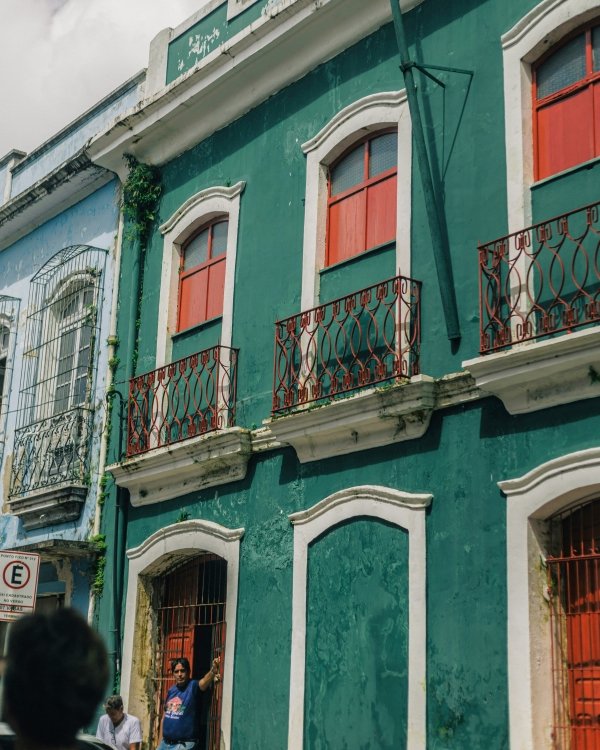
- Sinuous, plant-like forms in ironwork and stone carving
- Stained glass windows featuring Amazonian flora and fauna
- Ceramic tiles (azulejos) with intricate, nature-inspired patterns
- Integration of local materials like Amazon hardwoods
Belém’s Art Nouveau Gems
Let’s take a stroll through Belém and admire some of its Art Nouveau masterpieces:
- Paz Theater (Theatro da Paz): While primarily neoclassical, its 1904-1905 renovation introduced stunning Art Nouveau elements, including beautiful stained glass and decorative paintings.
- Pará Museum (Museu Paraense Emílio Goeldi): The museum’s buildings, especially the aquarium, showcase delightful Art Nouveau details that complement its natural history exhibits.
- Ver-o-Peso Market: This iconic market complex features the beautiful Art Nouveau clock tower and fish market building, their ironwork reminiscent of water plants and river life.
- Bolonha Palace (Palacete Bolonha): A private residence turned cultural center, this building is a riot of Art Nouveau features, from its curving facades to its nature-inspired interior decorations.
- Iron Bridge (Ponte de Ferro): This bridge, imported from England, beautifully represents the marriage of industrial engineering and Art Nouveau aesthetics.
The Architects of Belém’s Belle Époque
Belém’s Art Nouveau transformation wasn’t just about importing European ideas. Local architects embraced the style and adapted it to the Amazonian context:
- Francisco Bolonha: The mind behind Palacete Bolonha and numerous other Art Nouveau buildings in the city.
- José Sidrim: Known for blending Art Nouveau with other styles, creating a unique Belenense aesthetic.
- Ramos de Azevedo: Though based in São Paulo, his firm contributed significantly to Belém’s architectural landscape during this period.
Beyond Architecture: Art Nouveau in Daily Life
The influence of Art Nouveau in Belém went beyond grand buildings. It seeped into every aspect of life during the Belle Époque:
- Decorative Arts: Furniture, lamps, and household items featured the curved lines and natural motifs of Art Nouveau.
- Graphic Design: Magazines, posters, and advertisements of the era showcased the distinctive Art Nouveau style.
- Fashion: The elite of Belém embraced the flowing, nature-inspired forms of Art Nouveau in their clothing and jewelry.
The Legacy of Belém’s Belle Époque
The rubber boom didn’t last forever. By the 1920s, Belém’s golden age was waning as rubber plantations in Southeast Asia outcompeted the Amazon. However, the architectural and cultural legacy of this period endures.
Today, Belém’s Art Nouveau heritage faces challenges:
- Many buildings have been lost to development or neglect.
- Preservation efforts often struggle for funding.
- The tropical climate poses unique conservation challenges.
However, there’s growing recognition of the value of this heritage:
- Several key buildings have been restored and repurposed as cultural centers.
- Walking tours highlighting the Belle Époque architecture are increasingly popular.
- Local artists and designers are finding inspiration in the city’s Art Nouveau past.
Experiencing Belém’s Art Nouveau
For those eager to explore this unique architectural heritage:
- Take a guided walking tour of the historic center.
- Visit the Pará Museum to see Art Nouveau in a rainforest setting.
- Explore the Ver-o-Peso market to see how Art Nouveau blended with daily life.
- Don’t miss the interior of the Paz Theater – it’s a feast for the eyes.
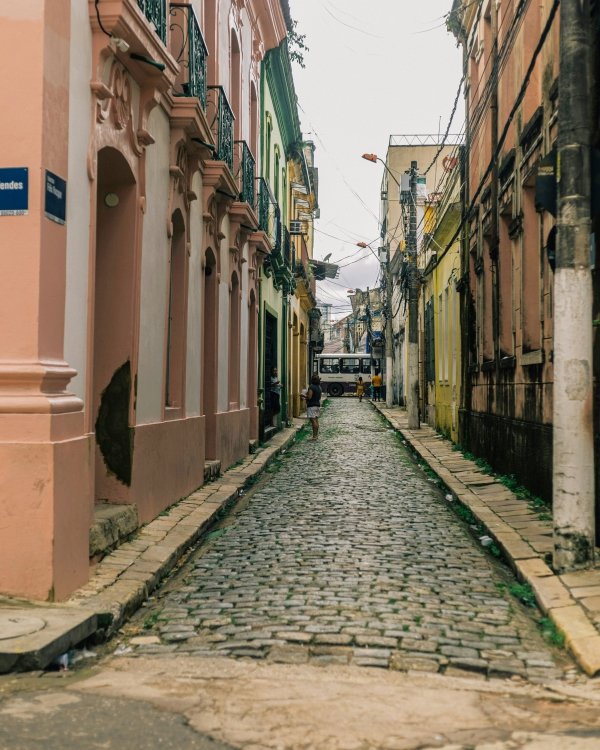
- Keep an eye out for the small details – doorknobs, railings, and window frames often hide Art Nouveau treasures.
Final Thoughts
Belém’s Art Nouveau heritage is more than just beautiful buildings – it’s a testament to a unique moment in history when the Amazon connected to the wider world in unprecedented ways. It tells a story of wealth, ambition, and the complex relationship between nature and human creativity.
As you wander the streets of Belém, each Art Nouveau facade and curlicue is a reminder of a time when this Amazonian city dared to reimagine itself, blending European sophistication with tropical exuberance. In these buildings, we see not just the dreams of the past, but a reflection of Belém’s enduring spirit – always looking to the future while deeply rooted in its Amazonian home.
So, next time you’re planning a Brazilian adventure, why not venture beyond Rio and São Paulo? Belém awaits, ready to surprise you with its unique blend of jungle rhythms and Art Nouveau rhapsodies. After all, where else can you admire a Parisian-style building and then hop on a boat to explore the Amazon? Only in Belém, where the Belle Époque never truly ended – it just evolved into something uniquely Amazonian.