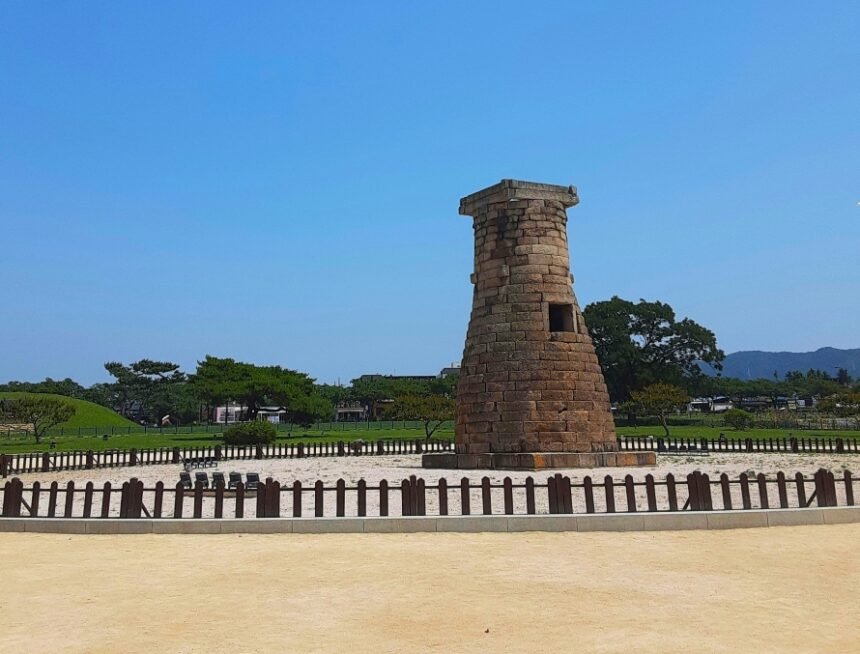
Standing tall amidst the cultural treasures of Gyeongju, South Korea, Cheomseongdae Observatory is a symbol of Korea’s astronomical and scientific achievements. Dating back to the 7th century, this UNESCO World Heritage site is the world’s oldest surviving astronomical observatory. With its elegant stone structure and fascinating connection to ancient stargazing, Cheomseongdae invites visitors to marvel at the ingenuity of the Silla Kingdom. Whether you’re a history enthusiast or simply love gazing at the stars, Cheomseongdae offers a timeless connection to the cosmos.
Cheomseongdae, meaning “Star-Gazing Tower,” was constructed during the reign of Queen Seondeok (632–647 CE) of the Silla Dynasty. Located in Gyeongju, the ancient capital of Silla, the observatory served as a tool for studying celestial movements, predicting seasons, and developing a lunar calendar crucial for agriculture and governance.
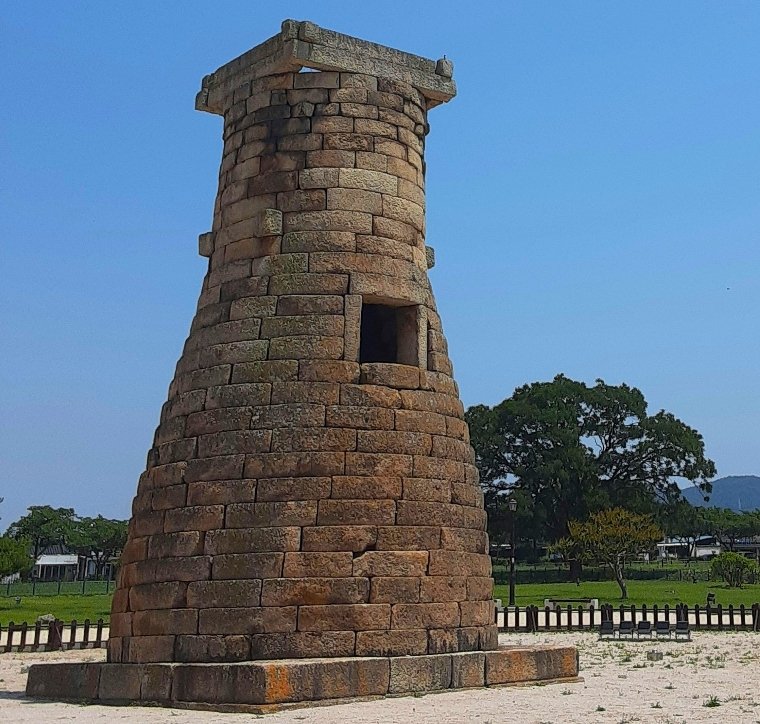
Built using 362 meticulously stacked granite stones, the structure represents the 362 days of the lunar calendar year. Its cylindrical body, tapering toward the top, is designed with a small central opening to allow observations of the night sky. Cheomseongdae’s architectural brilliance reflects not just the scientific curiosity of the Silla people but also their appreciation for symmetry, symbolism, and harmony with nature.
As an iconic feature of the Gyeongju Historic Areas, Cheomseongdae is a cherished link between Korea’s past and present.
1. A Timeless Architectural Marvel
Cheomseongdae is a simple yet ingenious structure, standing 9.17 meters tall with a square base. The observatory’s 27 layers of stones are believed to symbolize Queen Seondeok as the 27th ruler of the Silla Dynasty. The central hollow is accessible via a ladder, though entry is restricted today to preserve the monument.
The observatory’s design has sparked much fascination. Some experts believe its alignment with cardinal directions allowed astronomers to track constellations, solstices, and equinoxes. Others see it as a symbol of Silla’s advanced understanding of geometry and astronomy.
2. A Cultural and Scientific Legacy
Cheomseongdae was not merely a tool for stargazing; it played a vital role in agriculture by helping predict weather patterns and ensuring successful harvests. Its continued existence is a testament to the advanced scientific achievements of the Silla Dynasty, influencing Korea’s cultural heritage for centuries.
3. Modern-Day Significance
Today, Cheomseongdae stands as a symbol of Korea’s ancient ingenuity and commitment to learning. At night, the structure is beautifully illuminated, creating a magical ambiance. It has become a favorite backdrop for photographers and a must-see site for visitors exploring Gyeongju.
Top Attractions at Cheomseongdae
- Cheomseongdae Observatory: The main attraction, showcasing the architectural brilliance of the Silla Dynasty.
- Gyeongju Historic Areas: A UNESCO World Heritage Site featuring ancient temples, tombs, and palaces.
- Donggung Palace and Wolji Pond: Stunning reflections of Silla-era architecture lit up at night.
- Seasonal Displays: Visit in spring for cherry blossoms or autumn for golden foliage around the site.
Activities at Cheomseongdae
- Stroll Through History: Walk around the Gyeongju Historic Areas, which surround the observatory.
- Photography: Capture Cheomseongdae in different lights—daytime shadows and nighttime illumination create unique perspectives.
- Night Stargazing: While modern light pollution may limit visibility, the ambiance still evokes ancient stargazing traditions.
- Cultural Festivals: Time your visit with local events like the Gyeongju Cherry Blossom Festival for added charm.
Best Time to Visit
- Spring (March–May): The cherry blossoms around the observatory make this the most picturesque season.
- Autumn (September–November): Enjoy pleasant weather and vibrant fall colors in the surrounding landscapes.
- Evenings Year-Round: The illuminated structure at night offers a magical experience and fewer crowds.
Practical Information
- Opening Hours: The surrounding park is open year-round, but check for specific hours if visiting nearby museums.
- Admission Fee: Free for viewing Cheomseongdae, though some surrounding sites may charge entry fees.
- Facilities: Restrooms, cafes, and souvenir shops are available nearby.
- What to Bring: Comfortable walking shoes, a camera, and a jacket for cooler evenings.
Getting There
- By Train: Take the KTX or regular train to Gyeongju Station, then a taxi or local bus to the observatory.
- By Bus: Regular buses connect Gyeongju with major cities like Seoul and Busan. Once in Gyeongju, local buses or bicycles are great for exploring.
- By Car: Gyeongju is easily accessible via well-maintained highways, with parking available near the site.
Nearby Attractions
- Seokguram Grotto: A stunning Buddhist temple and UNESCO World Heritage Site.
- Bulguksa Temple: Known for its beautiful architecture and serene surroundings.
- Anapji Pond (Wolji Pond): A picturesque site for evening visits, with reflections of ancient pavilions.
- Tumuli Park: Home to the ancient burial mounds of Silla royalty.
- Gyeongju National Museum: Dive deeper into Silla history and culture through its artifacts.
Final Thoughts
Cheomseongdae Observatory isn’t just a relic of the past; it’s a bridge to a time when humanity looked to the stars for answers. This humble yet ingenious structure embodies the scientific spirit of the Silla Dynasty and remains a symbol of Korea’s enduring legacy. Whether you’re captivated by its history, drawn to its beauty, or simply curious about ancient stargazing, Cheomseongdae promises a memorable experience. Plan your visit and discover how this ancient observatory continues to inspire wonder in the modern world.