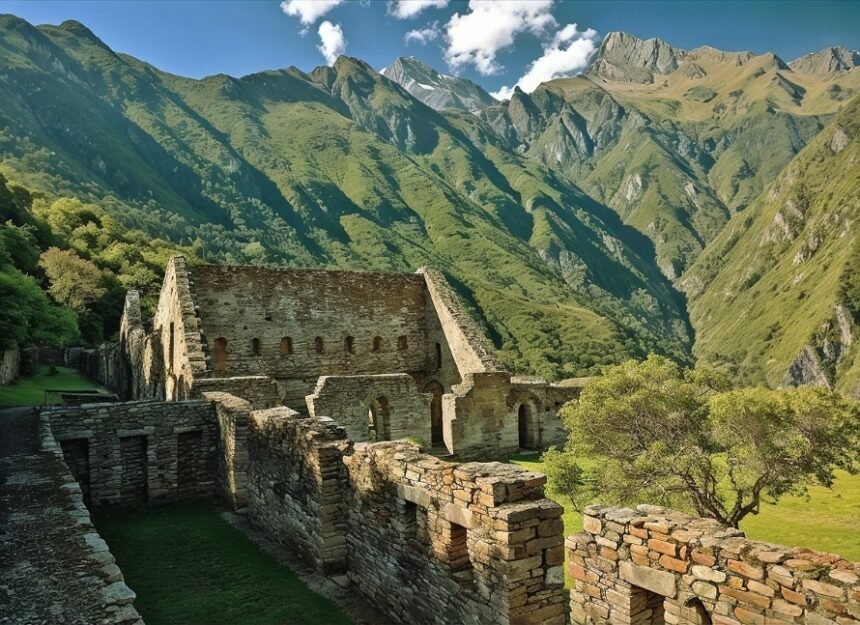
Situated in the rugged Andean mountains of southern Peru lies Choquequirao, often called the “Sister City of Machu Picchu.” This lesser-known Incan site is a breathtaking archaeological gem shrouded in mystery, history, and adventure. While Machu Picchu attracts millions of visitors each year, Choquequirao remains off the beaten path, offering a tranquil yet challenging escape for explorers seeking to uncover Peru’s ancient past.
Accessible only by a demanding trek, Choquequirao rewards those who dare to venture with stunning terraces, ceremonial plazas, and panoramic views of the Apurímac River valley. If you’re looking for an Incan adventure without the crowds, Choquequirao might just be your perfect destination.
History
Believed to have been constructed during the height of the Inca Empire in the 15th and 16th centuries, Choquequirao served as an important ceremonial, political, and agricultural hub. Its name, which means “Cradle of Gold” in Quechua, reflects its splendor and significance in Incan culture.
Historians speculate that Choquequirao was built under the reign of Pachacuti or his successor Topa Inca Yupanqui, likely as a retreat or administrative center. The site was also a strategic outpost, serving as a resistance stronghold during the Spanish conquest. Its remote location provided a refuge for Incas fleeing Spanish forces, preserving their culture and traditions even as their empire crumbled.
Despite its historical importance, Choquequirao was abandoned after the Spanish conquest and remained hidden under dense vegetation for centuries until rediscovered in the 18th century. Excavation efforts began in earnest in the 20th century, with only a fraction of the site uncovered today.
Description of the Site
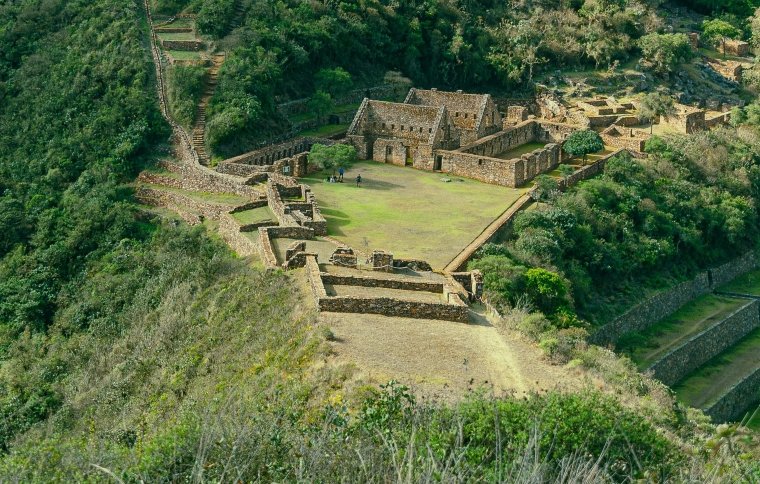
Choquequirao spans over 1,800 hectares, though only 30–40% has been excavated. The site features classic Incan architecture, including:
- Terraces: Over 150 agricultural terraces carved into the mountainside, many adorned with intricate stonework and designs.
- Main Plaza: A ceremonial space surrounded by temples and residential areas, reflecting its cultural significance.
- Llama Terraces: Unique stone carvings of llamas embedded in the terraces, symbolizing their importance to Incan society.
- Sun Gate: A viewpoint offering breathtaking panoramas of the surrounding mountains and valleys.
Choquequirao’s design mirrors Machu Picchu’s layout, with sophisticated drainage systems, irrigation channels, and ceremonial areas that highlight the Incas’ engineering prowess.
Usage
Choquequirao was more than just an administrative center; it was a spiritual and agricultural hub. Its location high in the Andes provided ideal conditions for farming, with terraces used to cultivate crops like maize and potatoes. The site also hosted important religious ceremonies, with the Main Plaza and surrounding temples serving as sacred spaces.
During the Spanish conquest, Choquequirao became a key resistance site, offering refuge to Incan forces and their leaders. Its isolation allowed it to function as a hidden bastion of Incan culture long after the fall of the empire.
Interesting Facts
- Bigger Than Machu Picchu: Choquequirao is estimated to be nearly three times the size of its more famous counterpart.
- Undiscovered Mysteries: With most of the site still unexcavated, Choquequirao holds countless secrets waiting to be uncovered.
- Challenging Trek: Getting to Choquequirao requires a strenuous two-day hike, adding to its allure for adventure seekers.
- Zero Crowds: Unlike Machu Picchu, Choquequirao receives fewer than 20 visitors a day, offering a truly serene experience.
- Llama Iconography: The site’s llama carvings are unique in Incan art, underscoring the animal’s importance to their economy and culture.
Activities
- Trekking: The journey to Choquequirao is a bucket-list adventure, with trails that offer stunning vistas, challenging ascents, and rewarding descents.
- Photography: Capture the beauty of the site’s terraces, plazas, and surrounding landscapes.
- Wildlife Spotting: Keep an eye out for condors, spectacled bears, and other native species as you hike through the Andean wilderness.
- Exploration: Wander through the ruins and imagine life in this ancient city.
- Camping: Spend a night under the stars near Choquequirao for an unforgettable experience.
Getting There
Reaching Choquequirao involves a multi-day trek, as the site is not accessible by road or train. Here’s how to get there:
- Travel to Cachora:
- Take a bus or private transport from Cusco to the village of Cachora (about 4–5 hours).
- Start the Trek:
- From Cachora, begin a 2-day hike to Choquequirao, covering approximately 30 kilometers each way.
- Expect steep ascents and descents, with incredible views of the Apurímac River canyon.
- Guided Tours:
- Join a guided trek to ensure safety and gain insights into the site’s history and significance.
- Pack Essentials:
- Bring sturdy hiking boots, layers for changing weather, plenty of water, and a camera to capture the journey.
Nearby Points of Interest & Landmarks
- Machu Picchu: Combine your visit with the iconic Incan citadel, accessible by train or additional treks.
- Apurímac River: Explore this dramatic canyon, perfect for rafting and photography.
- Cusco: The former capital of the Inca Empire, filled with history, culture, and delicious food.
- Vilcabamba: The last stronghold of the Incas, located further into the Andes.
- Salkantay Trek: A stunning alternative route to Machu Picchu, offering breathtaking views of the Salkantay glacier.
Recap
Choquequirao is a destination like no other—a hidden Incan treasure that offers a profound connection to Peru’s ancient past and the raw beauty of the Andes. From its sprawling terraces and ceremonial plazas to the quiet mystery of its tombs, Choquequirao invites you to step back in time and immerse yourself in the legacy of the Inca Empire.
If you’re ready to trade tourist crowds for rugged trails, breathtaking views, and unparalleled history, Choquequirao is waiting. Lace up your boots, pack your sense of adventure, and embark on a journey to Peru’s best-kept secret. / photo credit.