The Citadel of Erbil (Qalat Erbil in Kurdish) holds an esteemed place in history. Its location in the heart of the Kurdistan Region of Iraq places it at the crossroads of ancient civilizations such as the Assyrians, Babylonians, and Persians. The mound that the Citadel sits upon is the result of millennia of continuous habitation, layer upon layer of human settlement. First mentioned in historical records around 2300 BC, the Citadel has been a focal point for trade, culture, and power in the region.
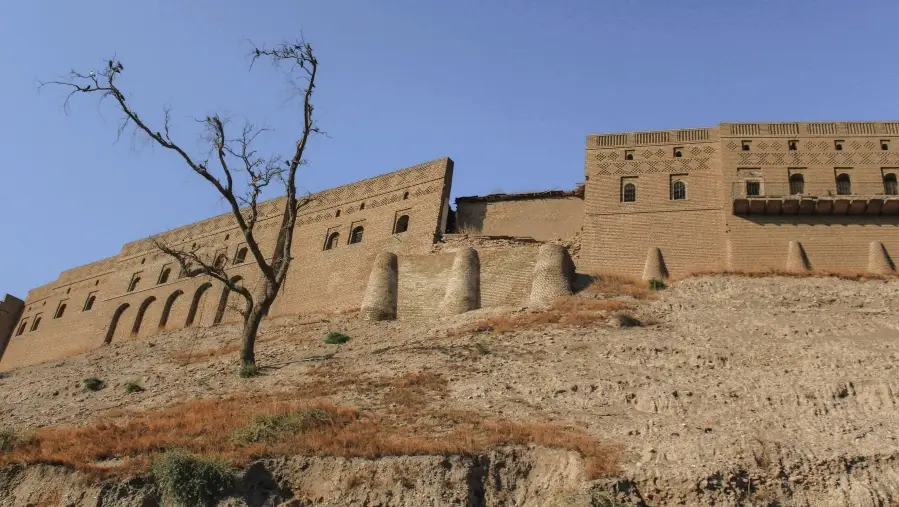
The Citadel’s distinctive oval shape is ringed by mudbrick walls, with the grand entranceway being a dramatic stone staircase leading to the top. Once a thriving community, Erbil Citadel was home to thousands of residents until 2007, when they were relocated for conservation efforts. Today, the Citadel remains a symbol of the enduring history and heritage of the Kurdish people, reflecting their resilience and adaptability.
Citadel of Erbil
- History and Architecture:
The Citadel is not just a fortress but a living testament to the evolution of civilizations. Over the centuries, it has been influenced by various cultures, including Islamic, Sassanid, and Ottoman. As you wander through its narrow, winding streets, you’ll encounter ancient homes with traditional Kurdish architecture. Look out for the grand hammams (bathhouses), mosques, and former palaces that tell stories of past grandeur. Restoration efforts have breathed new life into the Citadel, while still preserving its authentic character. - Cultural Significance:
Erbil Citadel is a symbol of Kurdish identity and pride. The Citadel once acted as a bustling hub for artisans, merchants, and craftsmen. It played a crucial role in regional trade routes, connecting Mesopotamia with the ancient Silk Road. Today, it stands as a reminder of the Kurdish people’s deep connection to their land, traditions, and rich heritage. Museums housed within the Citadel now offer visitors a deeper understanding of Kurdish culture, history, and craftsmanship. - Modern-Day Citadel:
Though much of the Citadel is under conservation, visitors can still explore several key sites. The Kurdish Textile Museum, located within the Citadel, is a must-visit. Here, you’ll discover the ancient art of weaving and learn about traditional Kurdish clothing. The views from the Citadel’s ramparts offer a sweeping panorama of modern-day Erbil, creating a striking contrast between the city’s ancient heart and its rapidly growing skyline.
Main Attractions:
- Grand Gate and Entrance Staircase:
A symbolic entry point that serves as a grand introduction to the Citadel, the steep stone staircase leads you to the ancient walls, offering the first glimpse of this historic marvel. - Kurdish Textile Museum:
A vibrant display of Kurdish heritage through the art of weaving. It’s a fascinating look at traditional garments, patterns, and techniques passed down for generations. - Old Mosque of the Citadel:
The Citadel is home to several mosques, but this one stands out for its historical and architectural value. A peaceful spot that offers insight into the religious practices of those who lived here.
Off-the-Beaten-Path Recommendations:
- Wander through the Hidden Alleyways:
While tourists often stick to the main attractions, the true charm of the Citadel lies in its quiet corners. Wander down less-traveled paths to find abandoned houses and hidden courtyards that whisper secrets of the past. - Attend a Cultural Event:
If you’re lucky, you might catch one of the cultural festivals or local performances that occasionally take place in the Citadel, giving you a deeper sense of Kurdish traditions.
Travel Tips and Practical Information:
- When to Visit:
The best time to visit Erbil Citadel is during the cooler months, from October to April, as summers in Iraq can be extremely hot. Early mornings or late afternoons are ideal for exploring, as the temperatures are milder, and the lighting is perfect for photos. - What to Wear:
As the Citadel is a historic and culturally significant site, it’s important to dress modestly out of respect. Comfortable shoes are also a must due to the steep streets and uneven terrain. - Guided Tours:
Hiring a local guide is highly recommended. They can provide deeper insights into the Citadel’s history and significance that you might miss on your own.
Nearby Points of Interest & Landmarks:
- Erbil’s Bazaar:
Just a short walk from the Citadel, the bazaar is a bustling marketplace filled with everything from traditional Kurdish garments to local spices. - Sami Abdulrahman Park:
This large park is a peaceful retreat from the hustle and bustle of the city, with walking paths, lakes, and gardens. - Jalil Khayat Mosque:
One of the largest and most impressive mosques in Erbil, it’s a stunning example of Islamic architecture with its grand domes and intricate detailing.
Final Thoughts:
The Citadel of Erbil is more than just an ancient site; it’s a living, breathing piece of history. From its towering walls to the quiet alleyways that hide forgotten stories, every inch of the Citadel tells a tale of resilience, culture, and the passage of time. Whether you’re a history enthusiast or a curious traveler, the Citadel offers an unforgettable journey into the past while standing proudly in the present.