Located in the hills of Miacatlán, Morelos, the ancient site of Xochicalco is a lesser-known gem in Mexico’s treasure trove of archaeological marvels. While less famous than Teotihuacan or Chichen Itza, Xochicalco has its own unique allure, combining fascinating history with breathtaking views and an impressive array of ancient structures. Once a bustling city during the Epiclassic period (650–900 CE), Xochicalco was a powerful hub for trade, politics, and spirituality.
Xochicalco stands out for its evidence of advanced astronomical knowledge, and visitors today can explore a stunning observatory and the intricate Temple of the Feathered Serpent. Between its temples, ball courts, and panoramic vistas, Xochicalco is a captivating spot for history buffs, casual travelers, and anyone interested in ancient cultures. Join us as we dive into the history, layout, and highlights of this remarkable site!
History
Xochicalco’s roots stretch back to around 650 CE, during a time when Mesoamerican cities were thriving, and cultures were exchanging ideas, goods, and customs. Xochicalco emerged as a prominent center during the decline of Teotihuacan, filling a power vacuum and taking on a significant role in trade and politics. The city’s name, meaning “Place of the House of Flowers,” reflects the area’s natural beauty and fertility, as well as its cultural richness.
Archaeologists believe that Xochicalco was a melting pot of different Mesoamerican cultures, including Mayan and Olmec influences, which can be seen in its architecture and artwork. The city was well-fortified with defensive walls and strategic hilltop positioning, indicating that it was a center of power and, at times, conflict. Xochicalco’s downfall came around 900 CE, possibly due to internal strife or an invasion, but its ruins have left a lasting mark, providing valuable insights into ancient Mesoamerican life.
Description of the Site
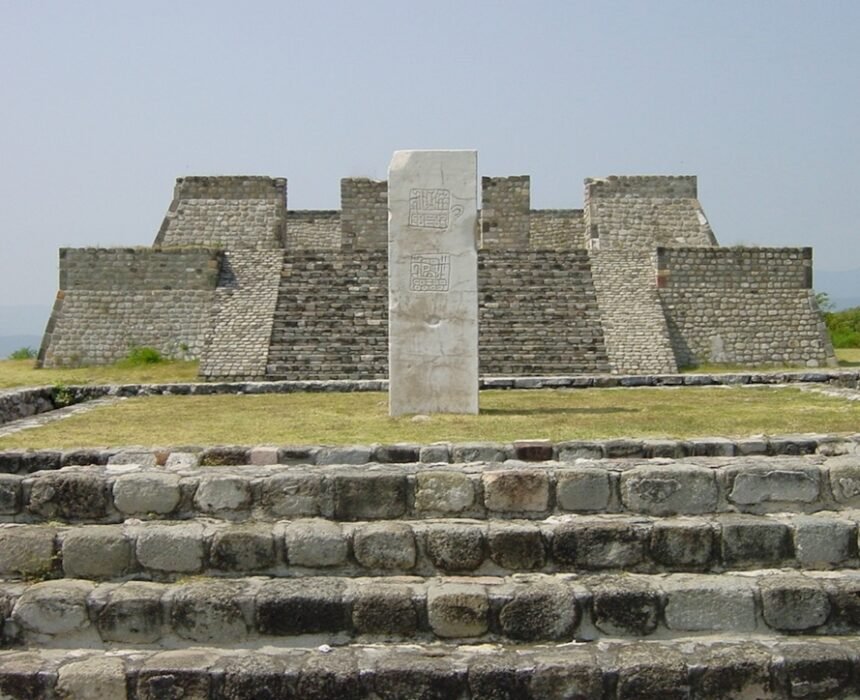
Xochicalco is spread across multiple terraces on a hill, providing stunning panoramic views of the surrounding valleys. The layout is meticulously planned, featuring plazas, ball courts, temples, and residential areas that reveal the city’s organizational sophistication. The central plaza serves as the heart of the city, surrounded by awe-inspiring pyramids and structures adorned with intricate carvings and bas-reliefs.
The site is divided into zones, with the Upper Plaza housing ceremonial structures, including the famous Temple of the Feathered Serpent. The two ball courts, common in Mesoamerican sites, indicate the importance of ritual games here. The layout reflects both practical and symbolic purposes, blending the site’s spiritual and everyday functions. As you wander through the various areas, you’ll feel a sense of awe for the ancient city planners who shaped this remarkable hilltop settlement.
Astronomical Observatory
One of Xochicalco’s most remarkable features is its astronomical observatory, a unique chamber carved directly into the hill. This observatory was designed to allow sunlight to enter through a small hole at the top, illuminating the interior floor. This alignment allowed ancient astronomers to track the sun’s movement and determine dates, solstices, and equinoxes with incredible accuracy.
The observatory is particularly famous for its alignment during solar zeniths—times when the sun is directly overhead, casting no shadow. It’s believed that this knowledge allowed the people of Xochicalco to regulate their calendar and ceremonies. The ingenuity behind this observatory not only highlights their advanced understanding of astronomy but also their connection between cosmic cycles and religious practices.
The Temple of the Feathered Serpent
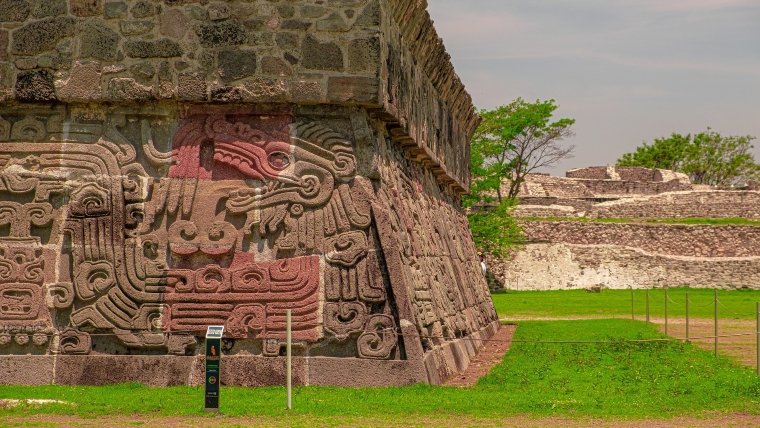
The Temple of the Feathered Serpent is undoubtedly the crown jewel of Xochicalco. This impressive temple features carved reliefs of Quetzalcoatl, the Feathered Serpent, a deity associated with wind, learning, and creation. The intricacy of these carvings is breathtaking; they show the plumed serpent winding around the temple’s exterior, accompanied by warriors and symbolic motifs that narrate both myth and historical events.
The temple’s design reflects a blend of architectural influences from cultures across Mesoamerica, showcasing Xochicalco’s role as a cultural crossroads. The Temple of the Feathered Serpent was likely used for ceremonial purposes and as a symbol of the city’s reverence for Quetzalcoatl. Standing before this temple, you can feel the reverence it commanded—a testament to Xochicalco’s architectural sophistication and spiritual depth.
Usage
Xochicalco was much more than a religious site; it was a bustling city and a hub of culture and commerce. The presence of fortified walls and terraces suggests that the city had to defend itself from external threats, pointing to its strategic importance. Xochicalco was also a meeting place for cultures, as evidenced by the diversity of artifacts found here, including ceramics, tools, and jewelry.
The city was also an intellectual center, with its astronomical observatory serving both scientific and ceremonial purposes. Ritual ball games held in the city’s ball courts had symbolic significance, likely representing cosmic struggles and the triumph of life over death. The temples and pyramids were not only places of worship but also served as focal points for community gatherings and religious festivals.
Interesting Facts
- UNESCO World Heritage Site: Xochicalco was designated a UNESCO World Heritage Site in 1999, recognized for its cultural significance and outstanding preservation.
- Stargazing Ancients: Xochicalco’s observatory is one of the best-preserved astronomical observatories in Mesoamerica, showcasing the city’s advanced knowledge of celestial events.
- Fortress on a Hill: The city’s strategic hilltop position and fortified walls indicate that Xochicalco was well-prepared for potential conflicts, adding a unique aspect to its role as a cultural and spiritual center.
- Mesoamerican Cultural Melting Pot: The architecture and artifacts found here reflect influences from various Mesoamerican cultures, including the Maya, Toltec, and Olmec, highlighting Xochicalco’s diversity.
- Rediscovered in the 19th Century: Although abandoned for centuries, Xochicalco was “rediscovered” in the 19th century, and archaeological excavations have since unveiled its historical importance.
Activities
If you’re planning a visit, Xochicalco offers a range of activities to make your experience memorable:
- Guided Tours: Local guides provide rich historical insights into the site’s structures, artwork, and cultural significance.
- Photography: With panoramic hilltop views, intricate carvings, and impressive structures, Xochicalco is a photographer’s dream.
- Stargazing: Given Xochicalco’s astronomical significance, nighttime stargazing events are occasionally held, allowing visitors to connect with the site’s celestial heritage.
- Hiking: The surrounding landscape and elevated terrain make Xochicalco ideal for hiking enthusiasts looking to explore the natural beauty of the region.
- Cultural Events: Check if there are any local festivals or events happening during your visit. Occasionally, traditional ceremonies are held to celebrate the heritage of Xochicalco.
Getting There
Here’s how to reach Xochicalco from popular nearby locations:
- From Cuernavaca: Take the Cuernavaca-Taxco highway south, following signs to Xochicalco. It’s about a 45-minute drive.
- From Mexico City: Take the Mexico-Cuernavaca highway and connect to the Cuernavaca-Taxco route, totaling around two hours.
- By Bus: Buses from Mexico City and Cuernavaca can take you to Miacatlán, from which you’ll need a short taxi ride to reach the site.
- By Tour: Consider joining a guided tour that includes transportation, often from Cuernavaca or Mexico City, for convenience.
- Parking: On-site parking is available for those traveling by car.
Final Thoughts
Xochicalco is a truly unique archaeological site that offers visitors a journey through Mesoamerican history, spirituality, and science. Unlike larger sites, Xochicalco combines its fascinating ruins with a peaceful, scenic location, making it ideal for those seeking both historical insights and natural beauty. From its unparalleled observatory to the magnificent Temple of the Feathered Serpent, Xochicalco stands as a testament to the ingenuity, artistry, and cultural depth of ancient Mesoamerican civilizations.
So, if you’re drawn to hidden gems and love discovering the lesser-known stories of the past, Xochicalco is a must-visit on any Mexico travel itinerary. Pack a hat, wear comfortable shoes, and prepare to be transported back to a time when the skies, the land, and the gods all held equal sway over life.