




Located high in the Sacred Valley of the Incas, Ollantaytambo is a Peruvian gem that takes you back in time. And at the heart of this ancient wonder is the Temple of the Sun, a place shrouded in mystery and stunning engineering feats. Whether you’re a history buff, adventure lover, or spiritual seeker, this temple offers a fascinating glimpse into the past. So, grab your sunhat, dust off your hiking shoes, and get ready to dive into the mysteries of Ollantaytambo’s Temple of the Sun.
At a glance
Ollantaytambo itself is an archaeological marvel, originally built by the Incas in the 15th century as both a religious and military stronghold. This fortress town is where Inca emperor Pachacuti is believed to have started a grand city-building project, and the Temple of the Sun was one of its crown jewels. Built on a mountaintop to align with solar movements, the temple had immense spiritual significance.
The Incas revered the sun god Inti, and many of their most important structures were dedicated to him. The Temple of the Sun at Ollantaytambo not only served as a place of worship but also demonstrated their incredible understanding of astronomy, geology, and engineering. However, with the arrival of the Spanish conquistadors, the temple—along with much of Inca civilization—was abandoned and fell into ruin. But even in its dilapidated state, it continues to awe visitors with its majestic monolithic stones and the stories it holds.
Wall of the Six Monoliths
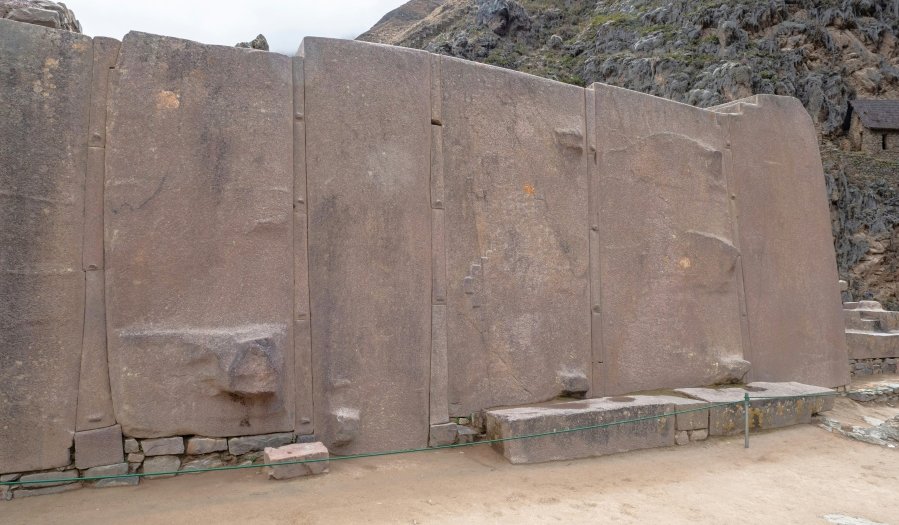
One of the temple’s most iconic features is the Wall of the Six Monoliths, a sight that leaves visitors speechless. Made from massive stone blocks, each weighing several tons, the wall demonstrates the Incas’ masterful stone masonry skills. These megaliths are not only perfectly cut to fit together without mortar but also strategically aligned with the sun’s path.
The purpose of this wall remains a subject of debate among historians. Some believe it was part of a larger astronomical calendar used to track the solstices and equinoxes, while others think it had religious significance as a gateway to the divine. What is particularly baffling is how the Incas transported these colossal stones to the site. They were quarried from a location miles away, and experts still puzzle over the methods used to haul them to such an elevated spot.
Besides the engineering marvel, the Wall of the Six Monoliths carries spiritual symbolism. It’s often believed that the number six had cosmic importance to the Incas, possibly relating to their understanding of the cosmos and life cycles. Whatever the meaning, standing in front of this imposing wall feels like staring into the past, one where divine forces and human ingenuity worked hand-in-hand.
Astronomy and Alignment with the Sun
The Incas were known for their astronomical knowledge, and the Temple of the Sun is a testament to that. Like Machu Picchu, this temple was built in alignment with the movements of the sun and the stars. Every year, during the winter solstice, the rays of the rising sun perfectly illuminate the temple, casting light in a way that seems too precise to be coincidental. This suggests that the Incas not only worshipped the sun but also planned their agricultural activities and religious festivals around these celestial events.
If you’re lucky enough to visit during one of these solar events, you’ll witness firsthand the genius of Inca engineering.
Sacred Ceremonies and Rituals
Inca culture was deeply spiritual, and the Temple of the Sun was likely a hub for important religious ceremonies. The temple, sitting at such a high altitude, was considered a closer connection to Inti, their revered sun god. Priests would perform rituals, offering food, textiles, and even animals to ensure the sun’s continued favor. This connection between the natural world and the spiritual realm is something visitors can still feel today, as the air around the temple almost seems to hum with energy.
While much of the temple is in ruins, walking around its ancient stones offers a chance to connect with the ancient traditions and beliefs that once dominated the region.
Travel Tips and Practical Information
A. Entrance Ticket
To visit the Temple of the Sun, you’ll need to purchase the Cusco Tourist Ticket (Boleto Turistico). This ticket grants access to multiple archaeological sites in the Sacred Valley, including Ollantaytambo. It’s a great deal for travelers looking to dive deep into Inca history.
B. Best Time to Visit
The best time to visit Ollantaytambo is during the dry season, which runs from May to September. During this time, you’ll enjoy sunny skies and pleasant hiking conditions. Avoid the rainy season (November to March), as trails can get slippery, and views may be obstructed by clouds. For the ultimate experience, try to plan your visit during the winter solstice in June, when the sun aligns perfectly with the temple.
C. Getting There
Ollantaytambo is located about 60 kilometers from Cusco, and it’s an easy day trip from the city. You can take a bus, private car, or train to reach the town. The most popular route is via the scenic train to Machu Picchu, which passes through Ollantaytambo. Once in the town, the temple is easily accessible on foot from the main square.
Nearby Points of Interest & Landmarks
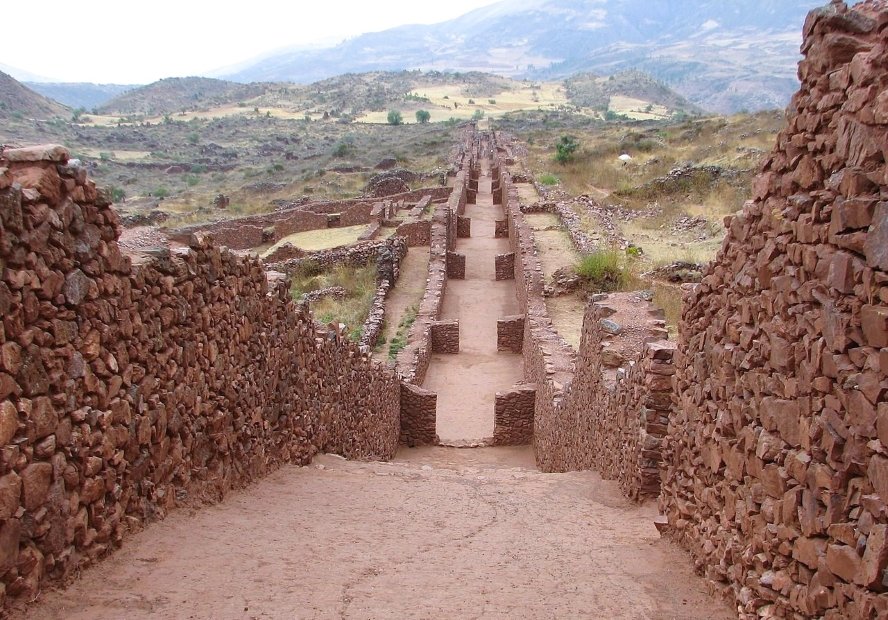
While you’re in Ollantaytambo, make sure to explore other incredible sites nearby. Check out the fortress of Ollantaytambo itself, where you can climb the massive agricultural terraces for stunning views. The town is also home to ancient streets and waterways that have remained unchanged for centuries, giving you a real sense of stepping back in time.
Another must-see is the nearby Pinkuylluna Mountain Granaries, which were used for food storage during Inca times. And of course, Ollantaytambo is a great base for those heading to the more famous Machu Picchu, either by train or trekking along the Inca Trail.
Final Thoughts
The Temple of the Sun at Ollantaytambo isn’t just a historical site; it’s a place where the lines between past and present blur. Whether you’re marveling at the massive stone blocks or feeling the sacred energy of the sun, this temple offers an unforgettable experience for every traveler. Make sure to add this hidden gem to your Sacred Valley itinerary—you won’t regret it!