




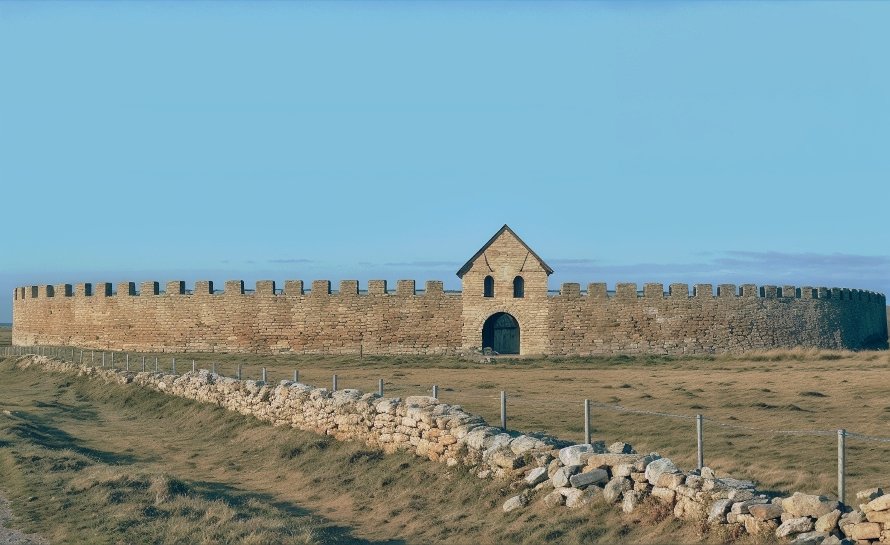
Hidden on the southeastern side of Öland, Sweden’s second-largest island, lies the historic Eketorp Fort—a unique Iron Age fortress that’s been painstakingly reconstructed to give visitors a glimpse into the past. Eketorp is more than just a collection of old stones; it’s a carefully revived Iron Age village that tells the story of life in early medieval Scandinavia. For anyone intrigued by Viking history, archaeology, or simply the mystery of ancient Europe, Eketorp is an absolute must-see.
With roots stretching back to 300 CE, this circular fort once served as both a defense structure and a bustling settlement, evolving with each generation that lived within its walls. Today, visitors can wander through recreated homes, see artifacts from the site, and even participate in traditional crafts and activities, bringing Iron Age Sweden to life. Whether you’re an aspiring archaeologist, a history buff, or just looking for a memorable day trip, Eketorp Fort has something for everyone.
History
Eketorp’s story begins in the early Iron Age, around 300 CE, when it was built as a fortified settlement. At this time, Öland was a strategic location, attracting settlers due to its natural resources, trade routes, and position in the Baltic Sea. Eketorp’s original function was largely defensive, intended to protect its inhabitants from rival clans and invaders. Constructed as a circular fort, Eketorp was surrounded by a stone wall nearly 3 meters (10 feet) high, with entrances positioned strategically to monitor access.
By the 6th century, Eketorp saw significant changes. The fort expanded into a more structured community, complete with homes, storage spaces, and public areas. However, as societies evolved and threats diminished, Eketorp was abandoned around 700 CE, only to be repurposed in the late Viking Age (1100 CE) as a fortified medieval village, adapted for a different era. This dual phase of occupation makes Eketorp unique among Scandinavian forts, blending Iron Age and Viking-age features and preserving a timeline of Scandinavian history in one place.
Description of the Site
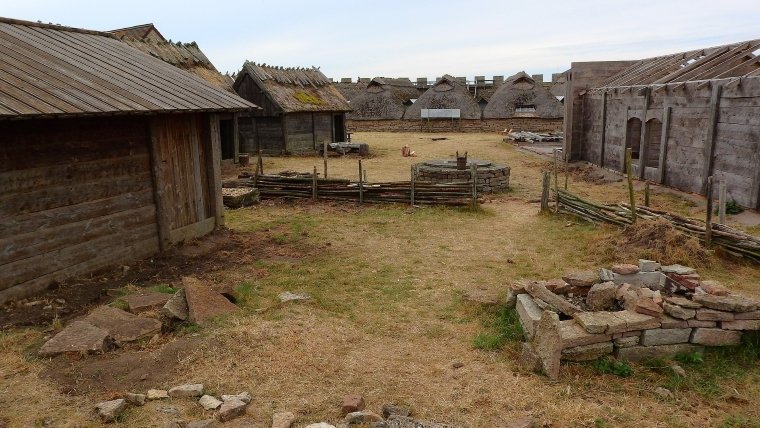
Today, Eketorp is a fully reconstructed fort, giving visitors an immersive experience in what life might have looked like for its early inhabitants. The site is circular, surrounded by a robust stone wall that echoes the defensive architecture of the past. Within its walls, you’ll find reconstructed longhouses, workshops, and storage rooms. Each building has been recreated using traditional materials like timber, thatch, and stone, creating an authentic Iron Age atmosphere.
The interior layout includes communal spaces and private areas, giving a sense of how villagers would have worked, lived, and interacted. Outside the walls, you’ll find the remains of ancient wells, farmland, and traces of early agricultural practices that were integral to the community’s survival. Eketorp’s impressive gates and lookout points provide a sense of security and a panoramic view of the surrounding Öland countryside, reminding visitors of its strategic purpose.
Usage
Throughout its history, Eketorp served multiple purposes. Initially, it was a stronghold for protection, complete with residential quarters for the people who maintained the fort and guarded the community. It also became a center for trade, attracting craftsmen and traders who used Öland’s position in the Baltic Sea to connect with other regions. Eketorp became a hub for artisans, blacksmiths, and merchants, allowing the people of Öland to engage in trade and crafts vital for the island’s economy.
When it was revived in the 12th century, the fort continued to serve as a fortified village. It adapted to meet the needs of a Viking-influenced society, focusing less on defense and more on community and trade. Archaeological findings, including tools, weapons, and pottery, reveal insights into the daily life of its residents and hint at the community’s importance in Iron Age and Viking Age Scandinavia.
Interesting Facts
- Two Lives, One Fort: Eketorp is one of the only reconstructed Iron Age forts in Scandinavia that also served as a Viking-age village, representing two distinct historical periods.
- Archaeological Time Capsule: Since its excavation, over 24,000 artifacts have been found at Eketorp, including weapons, pottery, and even jewelry, offering a rare glimpse into Iron Age and Viking life.
- Strategic Island Location: Öland’s position in the Baltic Sea made it an important spot for trade and defense, and Eketorp capitalized on this by becoming a fortified trade center.
- Interactive History: Eketorp isn’t just a place to look at artifacts—many of the structures have been rebuilt so visitors can explore, touch, and even try out Iron Age crafts and activities.
- Archaeological Rediscovery: The fort’s ruins were initially discovered in the early 19th century, but it wasn’t until the 1960s that excavations revealed its historical significance, leading to the full reconstruction we see today.
Activities
Eketorp Fort is more than just a site to see—it’s a place to experience. Here’s a rundown of activities that make Eketorp a fun and engaging destination:
- Guided Tours: Knowledgeable guides bring the site’s history to life, explaining everything from ancient architecture to the details of daily life in the Iron Age and Viking Age.
- Living History Programs: During summer, reenactors dressed in period attire demonstrate traditional crafts like pottery, weaving, and blacksmithing. Visitors can watch or even participate in these activities.
- Archery and Weaponry: Some programs let visitors try their hand at archery and other Iron Age weaponry, offering an interactive way to connect with the past.
- Hands-On Workshops: Workshops often include hands-on learning opportunities in ancient crafts, including clay molding, weaving, and cooking over an open fire.
- Birdwatching and Nature Walks: Öland is known for its unique flora and fauna, especially migratory birds. Take a nature walk around Eketorp and discover the region’s natural beauty alongside its historical treasures.
Getting There
Here’s how to reach Eketorp Fort if you’re planning a visit:
- By Car: From mainland Sweden, drive across the Öland Bridge near Kalmar and follow Route 136 south to Eketorp. It’s approximately a 1.5-hour drive from Kalmar.
- By Public Transport: From Kalmar, take a bus to Färjestaden, Öland, and transfer to a regional bus towards Eketorp.
- Biking: For the adventurous, cycling is a scenic option, as Öland has several bike routes leading to Eketorp.
- Parking: Eketorp has a dedicated parking area with plenty of space for visitors arriving by car.
- Tours: Many guided tours from Kalmar and nearby areas include transport, so you can enjoy a stress-free visit with a knowledgeable guide.
Final Thoughts
Eketorp Fort offers a rare chance to journey back in time and experience life as it was during the Iron Age and Viking Age in Scandinavia. Its unique blend of history, architecture, and engaging activities make it a standout destination for anyone visiting Öland. Walking through its reconstructed buildings, trying traditional crafts, and soaking up the landscape feels like stepping into another world.
Whether you’re here for the hands-on workshops, the storytelling, or simply to explore a fascinating slice of Swedish history, Eketorp Fort is a testament to the ingenuity and resilience of its early inhabitants. So if you’re on Öland and curious about the past, be sure to add Eketorp to your travel list—it’s an adventure in history you won’t soon forget.