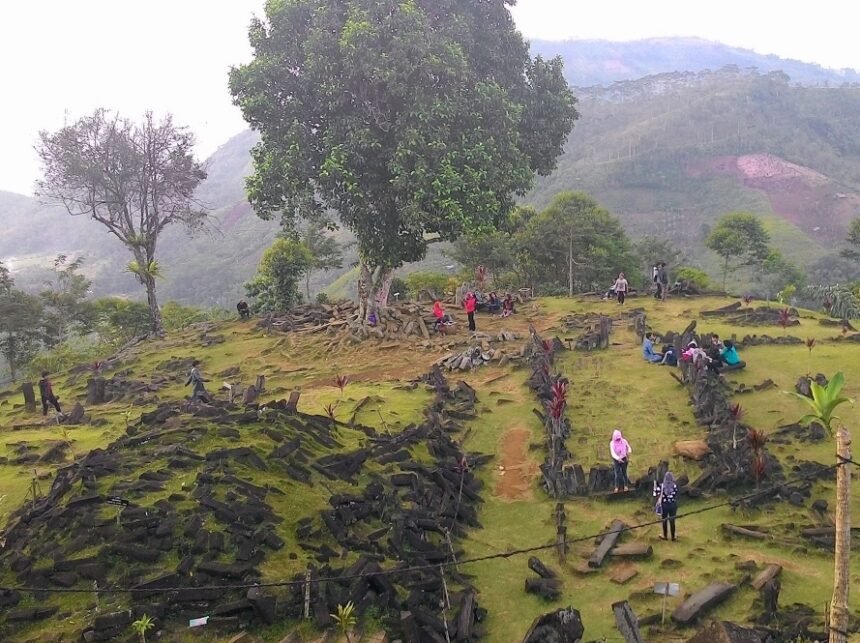
In the lush, rolling hills of Indonesia’s West Java province lies a site that’s rewriting history books and sparking heated debates among archaeologists and mystics alike—Gunung Padang. Known as the “Mountain of Light”, this ancient megalithic structure is believed to be one of the oldest in the world, predating the pyramids of Egypt and Stonehenge.
From its towering stone terraces to its mysterious underground chambers, Gunung Padang offers a glimpse into a time long forgotten. Some believe it’s the work of an advanced prehistoric civilization, others attribute its creation to ancient extraterrestrial visitors. Whatever the truth, one thing is certain: Gunung Padang is a jaw-dropping blend of natural beauty, human ingenuity, and unsolved mysteries. Ready to explore this enigmatic wonder? Let’s dive in.
A Glimpse into History
Gunung Padang was first documented in 1914 by Dutch archaeologists, but its true significance only came to light in the 1970s when local farmers stumbled upon its megalithic stones. Subsequent research suggests that this site is far older than anyone initially thought—potentially dating back over 20,000 years!
Unlike typical megalithic sites, which are often singular monuments, Gunung Padang is a sprawling complex of terraces, each built using massive basalt stones that were carefully cut and arranged. Recent geological surveys and radiocarbon dating indicate the structure could be the work of multiple civilizations, layered over thousands of years.
However, Gunung Padang isn’t without controversy. Many scholars challenge its estimated age, arguing that natural formations could have influenced its appearance. Yet, with ongoing excavations uncovering more mysteries, the site continues to challenge conventional narratives about human history.
Description of the Site
Gunung Padang is a sight to behold, both in terms of its scale and intricacy.
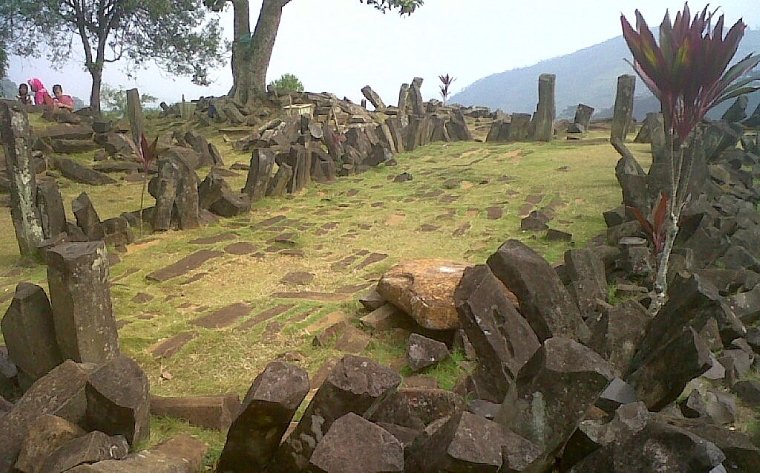
- Terraces: The site is composed of five stone-paved terraces, stacked one above the other, ascending the slopes of the mountain. Each terrace features neatly arranged basalt blocks that fit together like a giant puzzle.
- Underground Chambers: Ground-penetrating radar has revealed the presence of underground rooms and tunnels, suggesting the site may be more than what meets the eye.
- Stone Columns: The upright and horizontal stone columns scattered across the site range from a few feet to over 7 meters in length, with some weighing several tons.
- Natural Integration: The site seamlessly blends into its environment, surrounded by verdant jungle and offering panoramic views of the surrounding valleys.
Gunung Padang is not just an archaeological marvel; it’s a testament to the ingenuity of ancient civilizations.
Usage Through the Ages
Gunung Padang’s purpose has been the subject of much speculation:
- Ceremonial Center: Archaeologists believe it served as a place of worship or spiritual rituals, given its alignment with celestial events.
- Astronomical Observatory: The layout of the terraces and stones suggests it might have been used to track the movement of stars and planets.
- Burial Site: Some researchers theorize that the underground chambers could have been used for burials or storage.
- Strategic Watchtower: Its elevated position might have made it a vantage point for observing the surrounding area.
- Cultural Hub: Over millennia, it could have been a gathering place for different tribes and civilizations.
Interesting Facts About Gunung Padang
- Older Than the Pyramids: Radiocarbon dating places parts of the site at over 20,000 years old, potentially making it the oldest known megalithic site on Earth.
- A Monument to Resilience: The basalt stones used in construction are volcanic in origin, carefully transported and shaped by ancient builders.
- Multi-Layered Mystery: Excavations reveal that the site wasn’t built in one go but expanded over thousands of years, with each layer representing a distinct era.
- Acoustic Phenomenon: When struck, some of the stones produce bell-like sounds, suggesting they may have been used as musical instruments or signaling devices.
- Linked to Atlantis?: Some fringe theorists speculate Gunung Padang could be connected to the legendary lost city of Atlantis, due to its advanced construction and possible flood evidence.
Myths and Legends
Gunung Padang isn’t just an archaeological site; it’s steeped in folklore and legend:
- The Throne of the Gods: Local Sundanese myths describe the site as a sacred place where deities descended to interact with humans.
- A Sacred Portal: Some believe the underground chambers are a gateway to another realm or dimension.
- Created by Giants: Sundanese folklore attributes the construction of Gunung Padang to ancient giants who possessed immense strength.
- The Curse of Disturbance: Legend warns that disturbing the site could unleash natural disasters, making some locals wary of excavation efforts.
Activities for Visitors
Gunung Padang offers plenty for adventurous travelers and history buffs alike:
- Climb the Terraces: Ascend the ancient stone terraces to take in stunning views of the surrounding landscape.
- Guided Tours: Learn about the site’s history, myths, and ongoing research from knowledgeable local guides.
- Photography: The unique geometric patterns of the stones and the natural setting make for incredible photo opportunities.
- Meditation: Many visitors claim the site has a calming energy, making it a great place for quiet reflection.
- Explore Nearby Trails: The area around Gunung Padang is perfect for hiking, with trails leading through lush jungles and offering glimpses of rural Indonesian life.
Getting There
Reaching Gunung Padang requires a bit of effort but is well worth it. Here’s how:
- By Car: The site is about a 3-hour drive from Jakarta. Roads can be winding, so prepare for a scenic but bumpy ride.
- By Train: Take a train from Jakarta to Cianjur, then hire a local taxi or ojek (motorbike taxi) to reach the site.
- By Tour: Several operators offer guided day trips from Jakarta or Bandung, often including stops at other attractions.
- By Public Transport: Buses run from Jakarta to Sukabumi, from where you can hire local transportation to Gunung Padang.
Nearby Points of Interest and Landmarks
Make the most of your trip by visiting these nearby gems:
- Cibodas Botanical Garden: A serene retreat featuring rare plant species and scenic trails.
- Taman Safari Indonesia: A family-friendly wildlife park in nearby Bogor.
- Lake Situ Gunung: A tranquil lake perfect for boating and picnicking.
- Mount Gede Pangrango National Park: A hiker’s paradise with waterfalls, hot springs, and rich biodiversity.
- Cianjur Rice Terraces: Capture the essence of rural Indonesia with stunning views of terraced paddy fields.
Final Thoughts
Gunung Padang is more than just an archaeological site; it’s a challenge to our understanding of ancient civilizations and their capabilities. Whether you’re drawn by its historical significance, mysterious legends, or natural beauty, this megalithic marvel promises an unforgettable adventure.
So lace up your hiking boots, charge your camera, and get ready to uncover the secrets of one of Indonesia’s most fascinating treasures. Gunung Padang isn’t just a visit; it’s a journey into the depths of history and mystery. / photo credit