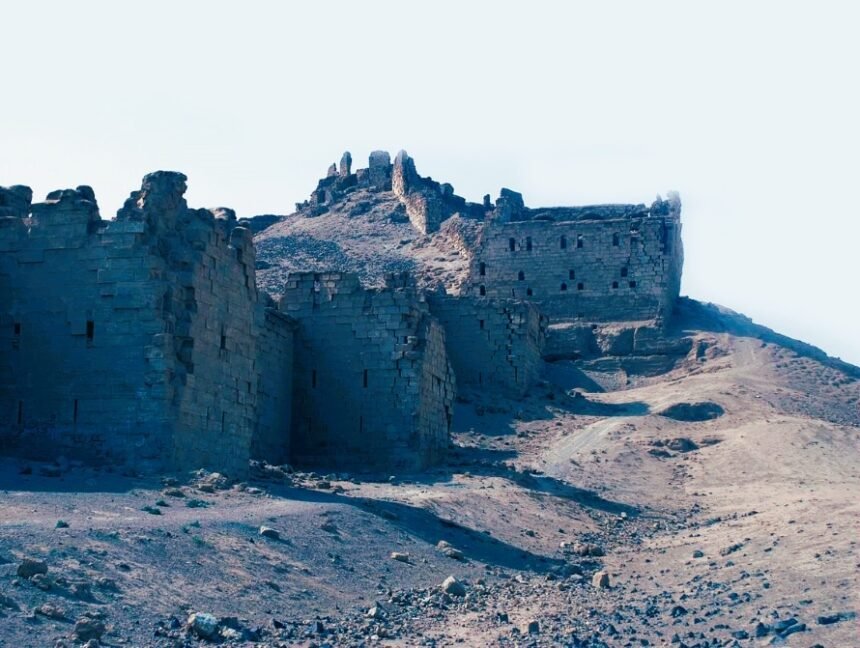
Hidden along the mighty Euphrates River in Syria’s Deir ez-Zor Governorate lies a fascinating piece of ancient history – Halabiye, also known as Zenobia. This impressive archaeological site, dating back to the Roman and Byzantine periods, is one of Syria’s best-kept secrets. While Syria is often celebrated for its rich historical treasures, Halabiye stands out due to its strategic location and unique story. From Roman military fortifications to influences from Queen Zenobia, this site offers an immersive journey into Syria’s complex past.
For anyone looking to explore Syria’s historical and archaeological landscapes beyond the more popular sites, Halabiye promises an unforgettable experience. Whether you’re an avid history enthusiast or simply curious about ancient civilizations, this ancient fortress has much to offer. Read on for a deep dive into Halabiye’s fascinating history, structure, and the activities you can enjoy here today.
History of Halabiye
The origins of Halabiye date back to the Roman Empire, but its significance grew during the Byzantine period. Originally constructed in the 3rd century AD, the fortress was part of a network of Roman defenses along the Euphrates, aimed at protecting against invasions from the East. However, it was during the rule of the famous Queen Zenobia of Palmyra in the 3rd century that Halabiye gained prominence.
Zenobia, known for her ambition to extend her empire’s reach, was determined to make Palmyra a dominant force in the region. She fortified Halabiye as a strategic stronghold, a testament to her vision of a secure empire. Later, the Byzantine Empire expanded and strengthened Halabiye’s defenses, creating a formidable fortress that would endure for centuries. Throughout its history, Halabiye was not only a military stronghold but also a vital hub along the trade routes that connected East and West, enabling cultural exchanges across civilizations.
Description of the Site
Halabiye sits majestically on a rocky plateau overlooking the Euphrates River, offering panoramic views of the surrounding landscape. The site is known for its well-preserved fortifications, which include thick stone walls, massive towers, and strategic entry points that reflect ancient military architecture. One of the most impressive features is the main gate, with towering walls flanked by guard towers that exemplify the military genius of the time.
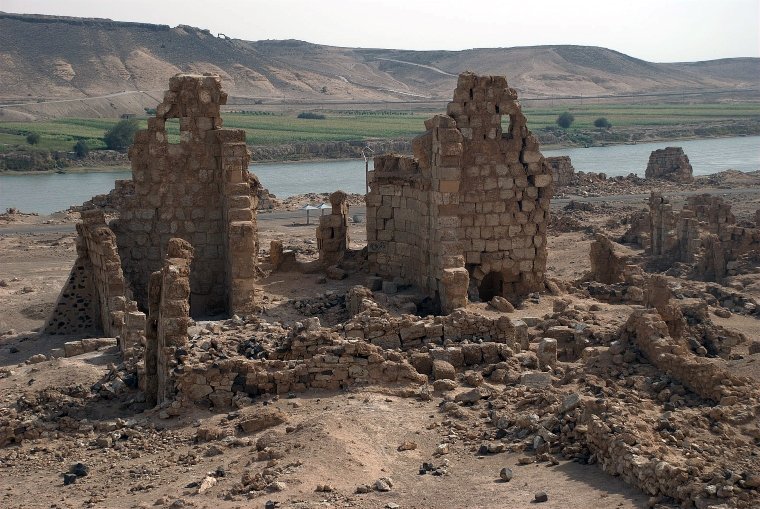
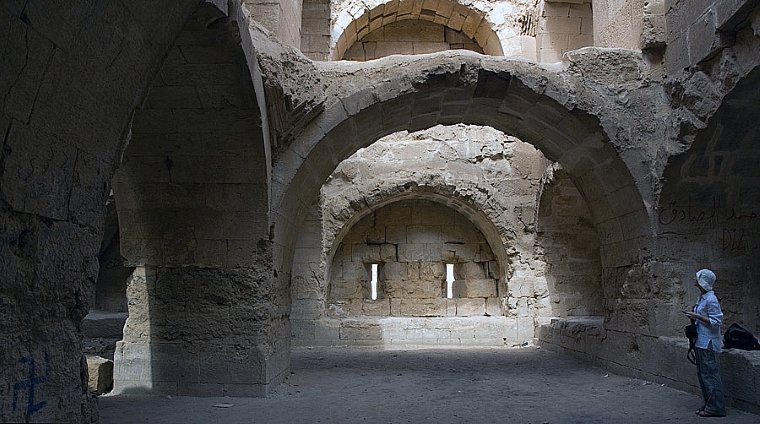
Walking through the site, you’ll also come across remnants of ancient barracks, cisterns, and storage rooms, all strategically built to sustain a long-standing defense. The layout of Halabiye reflects a combination of Roman and Byzantine architectural styles, with elements that highlight both practicality and resilience. Not far from the fortress are the remains of a small village, believed to have housed soldiers and civilians who supported the military operations at Halabiye.
Usage: A Stronghold and Trading Post
Halabiye served multiple purposes over the centuries. Its primary role was as a military fortification designed to protect the eastern borders of the Roman and Byzantine Empires. However, Halabiye was more than just a fortress – it was a critical point along the trade routes of ancient Mesopotamia. Goods, ideas, and cultures flowed through the site, making it a lively hub of interaction between civilizations.
During the height of Queen Zenobia’s reign, Halabiye also symbolized Palmyrene power, playing a key role in the queen’s territorial ambitions. Under Byzantine rule, the site continued to serve as a stronghold, maintaining its importance until the decline of the empire. Today, the site stands as a testament to its strategic importance, showcasing the military ingenuity and cultural dynamism that characterized ancient Syria.
Interesting Facts about Halabiye
- Named After a Legendary Queen: Halabiye is often called Zenobia, in honor of the ambitious Queen Zenobia of Palmyra, who fortified the site as part of her empire’s eastern defenses.
- A Blend of Roman and Byzantine Architecture: The fortress combines Roman military designs with Byzantine architectural influences, showcasing a fascinating blend of styles.
- Ancient Trade Route Hub: Halabiye was a key stop along ancient trade routes, where merchants from different parts of the world exchanged goods and ideas.
- Built with Locally-Sourced Stone: The massive stone blocks used in the construction were quarried locally, a testament to ancient engineering skills.
- Natural and Manmade Defenses: The fortress’s placement on a high plateau and the construction of thick walls made it one of the most impenetrable structures of its time.
- Rediscovered by Western Explorers in the 19th Century: Western explorers rediscovered Halabiye in the 19th century, bringing the site back into historical and archaeological discussions.
Activities: What to Do at Halabiye
1. Explore the Ruins:
Wander through the remains of Halabiye’s fortress, exploring the towers, gates, and barracks. Take your time walking around and imagine what life might have been like here centuries ago.
2. Take in the Views of the Euphrates:
One of the best parts of visiting Halabiye is the breathtaking view of the Euphrates River. Bring a camera – the river’s beauty is particularly striking in the early morning or just before sunset.
3. Guided Historical Tours:
Join a guided tour to gain deeper insights into the history of Halabiye and the legacy of Queen Zenobia. Local guides can share fascinating details about the architecture and significance of the site.
4. Bird Watching:
The area around Halabiye is a quiet spot that attracts various bird species, making it an ideal location for birdwatching.
5. Visit Nearby Villages:
Explore the local villages near Halabiye to get a taste of contemporary life along the Euphrates. Many villages have markets where you can purchase handmade crafts and souvenirs.
Getting There: A Quick Guide
- From Damascus:
- Take a domestic flight or bus from Damascus to Deir ez-Zor.
- From Deir ez-Zor, hire a local taxi to Halabiye. The journey takes about an hour by car.
- From Aleppo:
- Take a bus or drive from Aleppo to Deir ez-Zor, a journey that typically takes around 4-5 hours.
- Once in Deir ez-Zor, Halabiye is easily reachable by car.
- From Deir ez-Zor City:
- Halabiye is about 55 km northwest of Deir ez-Zor city. You can arrange a private tour or take a taxi directly to the site.
- By Private Tour:
- Many tour companies in Syria offer guided visits to Halabiye, which include transportation and a guided tour of the site.
Final Thoughts
Halabiye is more than an archaeological site – it’s a journey into Syria’s vibrant past. Whether you’re marveling at its ancient walls or soaking in the scenic views of the Euphrates, Halabiye offers a unique experience that combines history, nature, and adventure. In a world where so much history is accessible only in museums, Halabiye is a refreshing outdoor experience that lets you walk through history in the very place it unfolded.
If you’re planning a visit to Syria and want to see a different side of its history, make sure Halabiye is on your itinerary./photo credit