




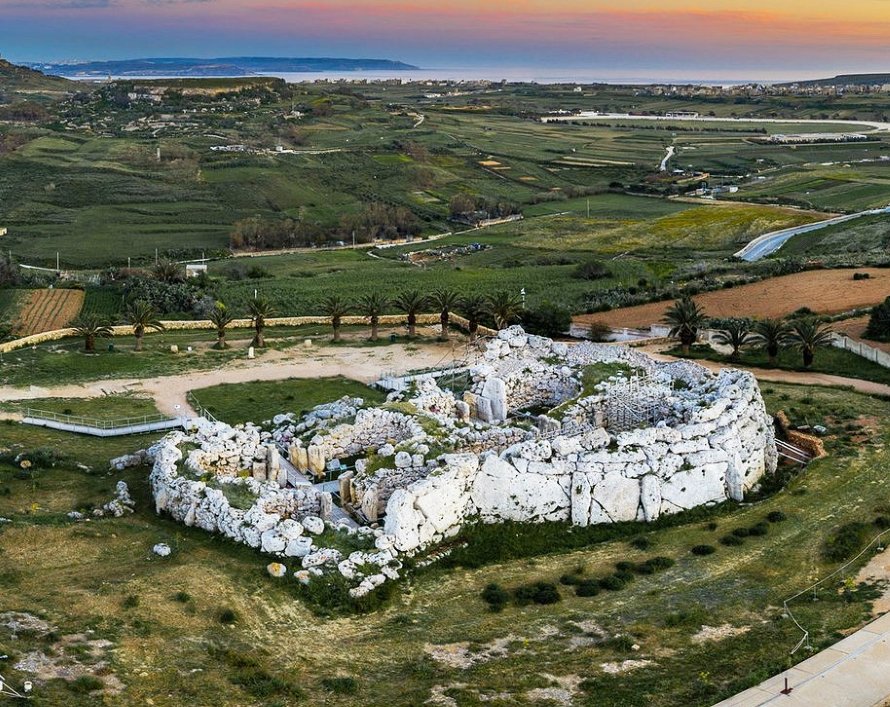
Situated on the tranquil island of Gozo lies one of Malta’s greatest treasures, the Ġgantija Temples. These awe-inspiring megalithic structures are older than Egypt’s pyramids and Stonehenge, making them an archaeological and historical marvel.
Stepping into Ġgantija is like walking through a portal to prehistoric times, where stones as tall as trees and as heavy as elephants were masterfully arranged to create this UNESCO World Heritage Site. The best part? You don’t have to be a history buff to enjoy it. Whether you’re fascinated by ancient mysteries, love a good legend, or simply appreciate a great photo op, Ġgantija will leave you speechless.
But what makes this place truly special? The name “Ġgantija” itself hints at its mythic origins, tied to tales of a giantess named Sansuna. Let’s dive deeper into the history, stories, and experiences that make this site a must-visit.
History
The Ġgantija Temples date back to around 3600–3200 BCE, making them some of the oldest free-standing structures in the world. Built during the Neolithic period, they predate iconic landmarks like the Great Pyramid of Giza by over a thousand years.
Archaeologists believe Ġgantija was constructed by an ancient civilization that inhabited the Maltese islands, known for their advanced understanding of engineering and craftsmanship despite primitive tools. The name “Ġgantija,” meaning “giant’s place,” reflects the sheer size of the limestone blocks used, some weighing over 50 tons.
These temples were abandoned around 2500 BCE, likely due to environmental changes or resource depletion. Today, they remain a testament to the ingenuity and spirituality of Malta’s earliest inhabitants, serving as a key site in understanding humanity’s ancient past.
Description of the Site
The Ġgantija complex consists of two temples, enclosed within a single boundary wall:
- Temple One: The older and larger of the two, featuring a five-apse layout. Its entrance is marked by massive upright stones, leading to a central corridor flanked by semi-circular rooms.
- Temple Two: Slightly smaller and built later, it mirrors the layout of the first temple but with subtle differences in design.
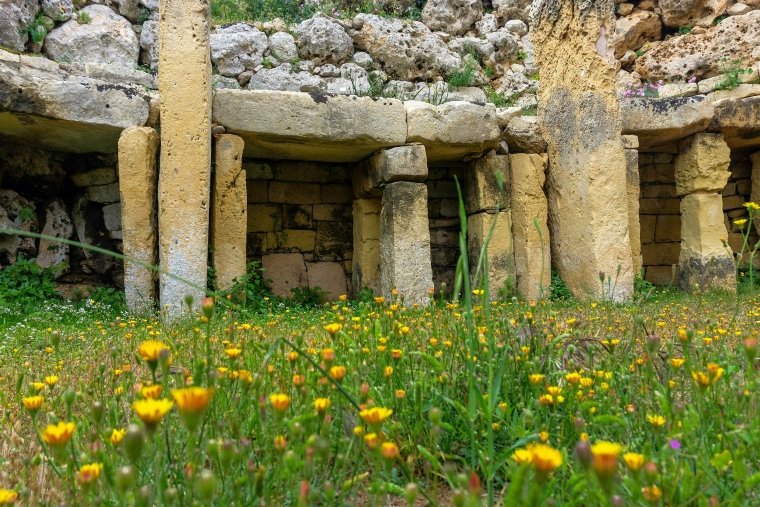
Both temples showcase the use of coralline limestone, which has withstood centuries of weathering. The interiors include niches, altars, and holes that may have been used for ritual purposes, hinting at the site’s spiritual significance.
The surrounding visitor center offers detailed exhibits and artifacts discovered during excavations, including clay figurines and tools, providing a deeper understanding of the Ġgantija builders.
Usage
Ġgantija is believed to have served as a ritual site, where the ancient Maltese conducted ceremonies to honor their deities. Archaeological evidence suggests that offerings, including animal remains, were placed on stone altars.
The temples may have also been used for fertility rituals, as indicated by the discovery of figurines depicting voluptuous female forms, likely symbolizing fertility and abundance. The alignment of the structures with the solstices further underscores their possible role in religious and astronomical observances.
Interesting Facts
- Older Than You Think: Ġgantija is over 5,500 years old, making it among the first monumental structures ever built by humans.
- Massive Stones: Some megaliths are over 5 meters tall and weigh as much as a small yacht!
- No Wheels: The ancient builders likely transported these massive stones using sledges and rollers.
- A UNESCO Marvel: Ġgantija was declared a UNESCO World Heritage Site in 1980 as part of the Megalithic Temples of Malta.
- Female-Centric Culture: Many figurines and carvings found at the site suggest a matriarchal society focused on fertility and nature worship.
Myths and Legends
The most enchanting tale surrounding Ġgantija is that of Sansuna, a giantess who is said to have built the temples in a single day while carrying the stones in her apron. According to legend, she constructed the site as a place of worship for her and her baby.
The story underscores the seemingly superhuman effort required to create such a monumental structure and adds a layer of mystique to its already fascinating history.
Activities
- Guided Tours: Learn about the history and significance of Ġgantija from knowledgeable guides who bring the site to life.
- Photography: Capture the beauty of the ancient stones against the backdrop of Gozo’s stunning landscape.
- Interactive Exhibits: The visitor center offers multimedia presentations and artifacts for a deeper dive into the site’s history.
- Nature Walks: Explore the lush surroundings of Xagħra, which offer a serene contrast to the ancient stones.
Getting There
- By Ferry: Take a ferry from Malta’s main island to Gozo. The trip takes about 25 minutes.
- By Bus: From the Gozo ferry terminal, hop on a bus to Xagħra, the village closest to Ġgantija.
- By Car: Rent a car and follow the well-signposted roads to the site. Parking is available nearby.
- Guided Tours: Many tour operators include Ġgantija as part of their Gozo itineraries, often combined with other landmarks.
Nearby Points of Interest & Landmarks
- Xagħra Stone Circle: A prehistoric burial site located near Ġgantija.
- Ramla Bay: Known for its golden sand beach and stunning vistas.
- Ta’ Kola Windmill: A well-preserved 18th-century windmill showcasing Gozo’s rural heritage.
- Calypso’s Cave: Linked to Homer’s “Odyssey,” this cave offers panoramic views of Ramla Bay.
- Victoria (Rabat): Gozo’s capital city, home to the ancient Cittadella fortress.
Final Thoughts
Ġgantija is more than just an ancient ruin—it’s a window into humanity’s creative and spiritual beginnings. From its towering stones to the captivating legends of giants, every corner of this site tells a story that resonates across millennia.
Whether you’re a history enthusiast, a lover of myths, or simply looking for a unique adventure, Ġgantija offers an unforgettable experience that combines Malta’s rich past with its breathtaking landscapes. Ready to step back in time? Gozo and its giant secrets are waiting! / Photo credit