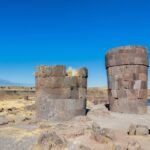
Situated in the ancient site of Naqsh-e Rustam in Fars, Iran, the Ka’ba-ye Zartosht, or the Cube of Zoroaster, is a timeless enigma. This solitary stone structure, standing proud amidst towering royal tombs and intricate rock carvings, has puzzled historians and visitors for centuries.
Was it a temple, a tomb, or a treasury? Its exact purpose remains shrouded in mystery, but one thing is certain: the Ka’ba-ye Zartosht is an architectural marvel that speaks volumes about the ingenuity and spirituality of ancient Persia. Let’s delve into the secrets of this unique structure.
The Ka’ba-ye Zartosht dates back to the Achaemenid Empire (6th–4th centuries BCE) and was later used during the Sassanid period. The structure’s name, which translates to the “Cube of Zoroaster,” is somewhat misleading as it has no direct connection to Zoroaster himself. Instead, it reflects the influence of Zoroastrianism, the dominant religion of ancient Persia.
Built entirely of limestone blocks and measuring about 12 meters high, the Ka’ba-ye Zartosht is a testament to Persian architectural precision. Its cubic form and stepped base are reminiscent of Mesopotamian temples, blending various cultural influences into a design that is both functional and symbolic.
Situated within Naqsh-e Rustam, a necropolis housing the tombs of Achaemenid kings like Darius the Great, the Ka’ba-ye Zartosht was likely an important religious or ceremonial structure, though its exact role is still debated.
Main Attraction: The Cube’s Architecture and Purpose
The Ka’ba-ye Zartosht’s design is as intriguing as its history. Built from precisely cut limestone blocks, its stepped platform leads to a small rectangular chamber accessible by a narrow staircase. The chamber itself has no windows, adding to its air of mystery.
Several theories attempt to explain its purpose:
- Fire Temple: Some believe it served as a Zoroastrian fire temple, where sacred flames burned continuously.
- Royal Treasury: Others speculate it was used to store valuable documents or treasures of the empire.
- Astronomical Observatory: Its alignment with celestial bodies suggests it might have had an astronomical or calendrical function.
- Religious Symbolism: It could have been a monument symbolizing the connection between earth and heaven.
The lack of definitive evidence keeps the debate alive, making the Ka’ba-ye Zartosht one of history’s enduring puzzles.
Interesting Facts / Key Points / Events
- Tri-Lingual Inscriptions: The structure features inscriptions from the Sassanid king Shapur I, written in Middle Persian, Parthian, and Greek. These inscriptions celebrate his victories over the Romans and provide invaluable historical insights.
- Durability: Despite being over two millennia old, the structure remains remarkably well-preserved, a testament to Achaemenid craftsmanship.
- Cultural Fusion: The design reflects a blend of Mesopotamian, Persian, and Elamite architectural styles, showcasing the cultural diversity of ancient Persia.
- Location Significance: Its placement within Naqsh-e Rustam suggests a connection to the royal tombs and the region’s spiritual significance.
- Zoroastrian Influence: Though its ties to Zoroaster are tenuous, the cube’s design and purpose likely reflect Zoroastrian ideals of purity and cosmic order.
Travel Tips and Practical Information
Best Time to Visit:
- Visit during spring (March–May) or autumn (September–November) for pleasant weather and clear skies.
Getting There:
- By Car: Naqsh-e Rustam is about 12 kilometers northwest of Persepolis and 70 kilometers from Shiraz. Taxis or private tours are recommended.
- By Tour: Many guided tours include Naqsh-e Rustam and Persepolis in their itinerary.
Entry Fees:
- Entry to Naqsh-e Rustam, which includes the Ka’ba-ye Zartosht, is approximately 500,000 Iranian rials (around USD 10).
What to Bring:
- Comfortable walking shoes for exploring the site.
- Sunscreen, a hat, and water to stay hydrated in the dry climate.
- A camera to capture the stunning architecture and surrounding scenery.
Nearby Points of Interest & Landmarks
- Naqsh-e Rustam: Explore the royal tombs carved into the cliffs, including those of Darius I and Xerxes I.
- Persepolis: Just a short drive away, this UNESCO World Heritage Site showcases the grandeur of the Achaemenid Empire.
- Pasargadae: Visit the tomb of Cyrus the Great, another UNESCO-listed site steeped in Persian history.
- Shiraz: Known as the “City of Poets,” Shiraz is famous for its gardens, mosques, and vibrant bazaars.
- Naqsh-e Rajab: A smaller archaeological site featuring Sassanid-era rock reliefs.
Recap
The Ka’ba-ye Zartosht is a captivating blend of history, architecture, and mystery. Whether it was a fire temple, a royal treasury, or an astronomical monument, its significance as a cultural and spiritual symbol is undeniable.
Visiting this iconic structure offers a glimpse into the grandeur of ancient Persia and the enduring legacy of its civilizations. From its meticulous craftsmanship to its intriguing purpose, the Ka’ba-ye Zartosht invites visitors to ponder the ingenuity and mysticism of the past. So pack your bags, embrace your curiosity, and embark on a journey to one of Iran’s most fascinating archaeological treasures!