
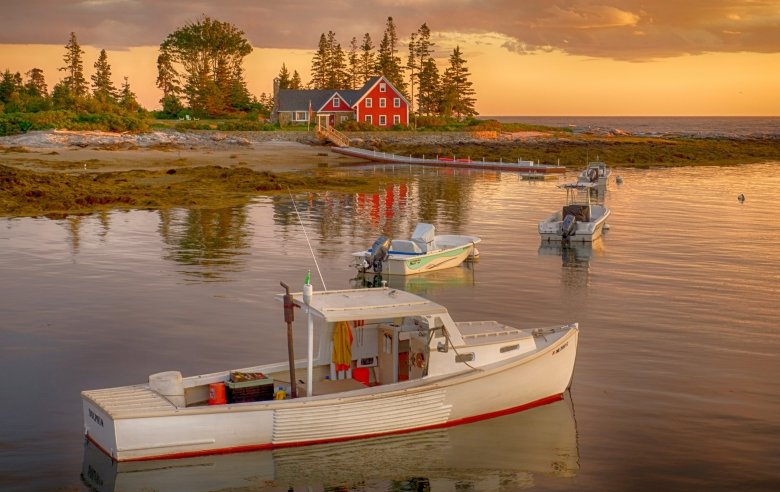

Maine’s lobster boats are much more than just fishing vessels. They’re symbols of a hardworking coastal culture, passed down through generations, representing the grit, determination, and pride of the state’s lobstermen and women. Whether you’re cruising along the rugged coastlines or seeing them dock at a quiet harbor, lobster boats tell a story of heritage and innovation. Let’s take a deep dive into the fascinating history of these boats and explore why they remain iconic in both form and function.
1. So, What Is a Lobster Boat?
Maine lobster boats are purpose-built for one thing: lobstering. These specialized vessels are used to haul in the famous Maine lobsters from the cold waters of the Atlantic Ocean. While lobster boats may vary in size and appearance, they share key characteristics designed for efficiency, durability, and the rough conditions of Maine’s coastline. But there’s more to these boats than meets the eye.
A. The Birth of a Legend
The history of the lobster boat begins in the late 19th century when lobster fishing started gaining popularity in Maine. Early boats were often small rowboats or modified sailboats. Lobstermen would haul traps by hand, braving the ocean’s elements with minimal protection and a lot of determination. These early boats were rudimentary by today’s standards but laid the groundwork for the future of the lobster industry.
As the demand for lobster increased, especially in the early 1900s, the need for a sturdier, more efficient boat became evident. The transition from sailboats to engine-powered boats marked the beginning of the lobster boat’s evolution.
B. The Evolution
The first engine-powered lobster boats appeared in the early 1900s, giving lobstermen the ability to travel farther and faster. No longer limited by the wind or oars, lobstermen could now fish in deeper waters, increasing their catch. By the 1930s, the iconic design of the Maine lobster boat began to take shape—longer, wider, with a cabin to protect the crew and a powerful engine to power through Maine’s sometimes unforgiving waters.
Fiberglass hulls came into the picture by the mid-20th century, further revolutionizing the industry. Fiberglass allowed for more customization in boat design, making the boats lighter, faster, and more efficient.
C. Description
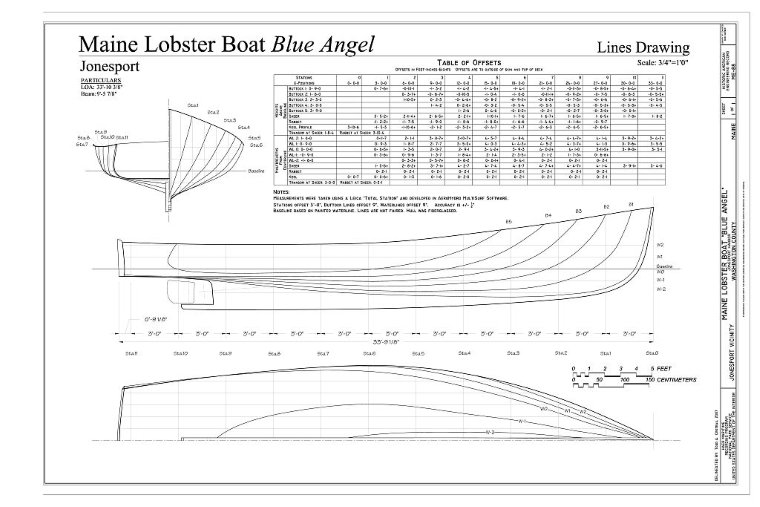
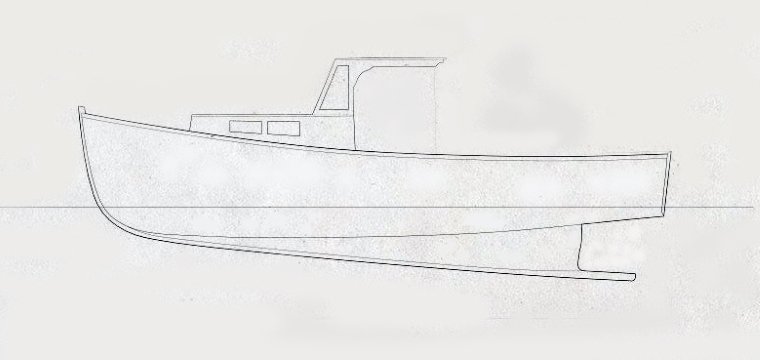
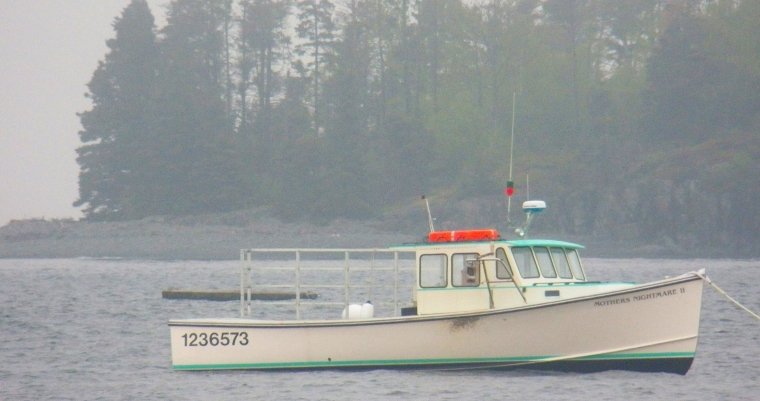
A traditional Maine lobster boat is built with function in mind. It’s not a luxury vessel, but one designed to endure harsh conditions and heavy loads. Lobster boats generally feature a semi-displacement hull, which allows for a balance between speed and stability. The deep hulls help boats carry a large number of lobster traps, while the wide beam provides stability when navigating Maine’s rocky coastline or hauling traps.
D. Characteristics
Here are some notable characteristics of the modern lobster boat:
- Hull Design: The semi-displacement hull provides excellent stability and speed while ensuring a smooth ride, even in choppy waters.
- Wide Beam: Lobster boats are built wide for extra stability, making it easier to haul heavy lobster traps.
- Cabin: The cabin is essential for shielding the crew from harsh weather conditions, and it’s usually fitted with basic navigation equipment.
- Open Deck: A large, open working deck is vital for managing lobster traps, ropes, and gear.
- Powerful Engine: Modern lobster boats are equipped with engines that offer both power and fuel efficiency, crucial for long days out at sea.
2. The Golden Age: Mid-20th Century
The 1950s and 1960s are often considered the “Golden Age” of the Maine lobster boat. This was the era when the lobster industry really took off, and boat design advanced rapidly. Fiberglass revolutionized the industry, as it was cheaper, more durable, and easier to mold into custom shapes than wood. Iconic boat builders like Calvin Beal, Raymond Bunker, and Ralph Stanley emerged during this time, producing boats that are still revered for their design and craftsmanship.
This era also saw the rise of regional boat-building hubs, particularly on Beals Island and Mount Desert Island, where boatbuilders honed their craft, combining tradition with innovation.
3. More Than Just a Boat
For many Maine lobstermen and women, their lobster boat is far more than just a tool for work—it’s a way of life. Many boats are passed down through families, becoming a symbol of heritage and continuity. Some lobster boats are even named after loved ones, reflecting the deep personal connections between lobstermen and their vessels.
Beyond the functionality, these boats are a source of pride for their owners. Lobster boat races, popular along the coast of Maine, give captains a chance to showcase their boats’ power and speed. These races are a celebration of community and tradition, drawing crowds from far and wide.
4. Challenges and Changes
As with most industries, lobstering has faced its share of challenges, many of which have affected the design and function of lobster boats. Environmental concerns, stricter regulations, and economic factors have all played a role in shaping modern lobster fishing.
- Environmental Concerns: Climate change, overfishing, and the shifting habits of lobster populations have all contributed to changes in how and where lobstering is done. As a result, some boats are now designed to operate in deeper waters or in different regions, expanding beyond the traditional fishing grounds of coastal Maine.
- Regulations: Stricter fishing regulations, including limits on trap numbers, size limits, and seasonal restrictions, have required lobstermen to be more efficient with their time on the water. This has led to technological upgrades in lobster boats, such as GPS, sonar, and trap-hauling systems.
- Fuel Costs: Rising fuel costs have encouraged some to look for more fuel-efficient engines and even explore alternative energy sources, such as hybrid or electric engines, to reduce their environmental footprint.
5. The Future of the Maine Lobster Boat
The future of Maine lobster boats is an exciting blend of tradition and innovation. As lobster fishing adapts to modern challenges, so too will the boats that make the industry possible.
We can expect to see:
- More sustainable practices: With a growing emphasis on sustainability in the fishing industry, future lobster boats may be built using greener technologies, such as hybrid or electric engines, and designed with fuel efficiency in mind.
- Technological advancements: The future will likely bring even more high-tech tools onboard, including advanced sonar for finding lobster-rich areas, automated hauling systems, and navigation technologies to make fishing safer and more efficient.
- Customization: While tradition remains strong, the ability to customize lobster boats to meet the specific needs of each lobsterman or woman will continue to evolve. Whether it’s designing boats for deeper waters or equipping them with the latest gear, flexibility will be key to future lobster boats.
6. The Lore of Maine Lobster Boats
There’s a certain mystique that surrounds the Maine lobster boat, and much of that comes from the stories—some true, some embellished—that have been passed down through the generations. Captains are known for their sea-going grit and ability to endure the toughest of conditions.
Some tales speak of record-breaking lobster hauls, daring rescues at sea, or boats racing to the harbor ahead of an incoming storm. Others are simply about the daily lives of lobstermen, quietly battling the elements to bring in their catch. Lobster boats themselves often have names that tell a story—usually honoring a family member or a beloved figure in the captain’s life.
7. Modern Day Lobster Boats
Today’s lobster boats are a marvel of engineering, blending traditional designs with modern advancements. While many boats maintain the classic lines that make them unmistakably “Maine lobster boats,” they are now equipped with state-of-the-art technology. These include climate-controlled cabins, hydraulic winches for pulling traps, and cutting-edge navigation systems. Despite these advancements, the soul of the boat remains the same: it’s a hardworking vessel, designed to brave the Atlantic and haul in the day’s catch.
For those in the industry, the lobster boat is more than just a means of transportation—it’s a partner in the demanding, unpredictable work of lobster fishing. Modern lobster boats are safer, more efficient, and more comfortable than their predecessors, but they still carry the same spirit of resilience.
8. Wrapping It Up
The Maine lobster boat has a rich history, from its humble beginnings as a rowboat to the highly efficient vessels of today. It’s more than just a boat—it’s a symbol of Maine’s fishing heritage, a testament to the hardworking lobstermen and women who continue to navigate the waters of the Atlantic in search of their catch. Despite the challenges, the future of the Maine lobster boat looks bright, with new technologies and greener practices paving the way for the next generation of lobstermen.
Whether you’re watching a lobster boat power through the waves or seeing it dock at the end of a long day at sea, there’s something undeniably special about these boats. They represent the heart and soul of Maine’s coastal communities—rugged, enduring, and deeply connected to the waters that sustain them.